
Hurricane Janet (September 1955) — Category 5 Atlantic hurricane
Hurricane Janet was a powerful Category 5 storm in September 1955 that devastated parts of the Caribbean and the Yucatán Peninsula; it caused hundreds of deaths and led to the retirement of its name.
Hurricane Janet was a major Atlantic hurricane that struck parts of the Caribbean and the Yucatán Peninsula of Mexico in September 1955. It reached Category 5 intensity on the Saffir–Simpson scale, the highest rating for tropical cyclones, with reported sustained winds near 175 miles per hour at peak strength. The storm produced widespread destruction, particularly where it made landfall, and was later significant enough that the name "Janet" was retired from the rotating list of Atlantic storm names.
Image gallery
9 Images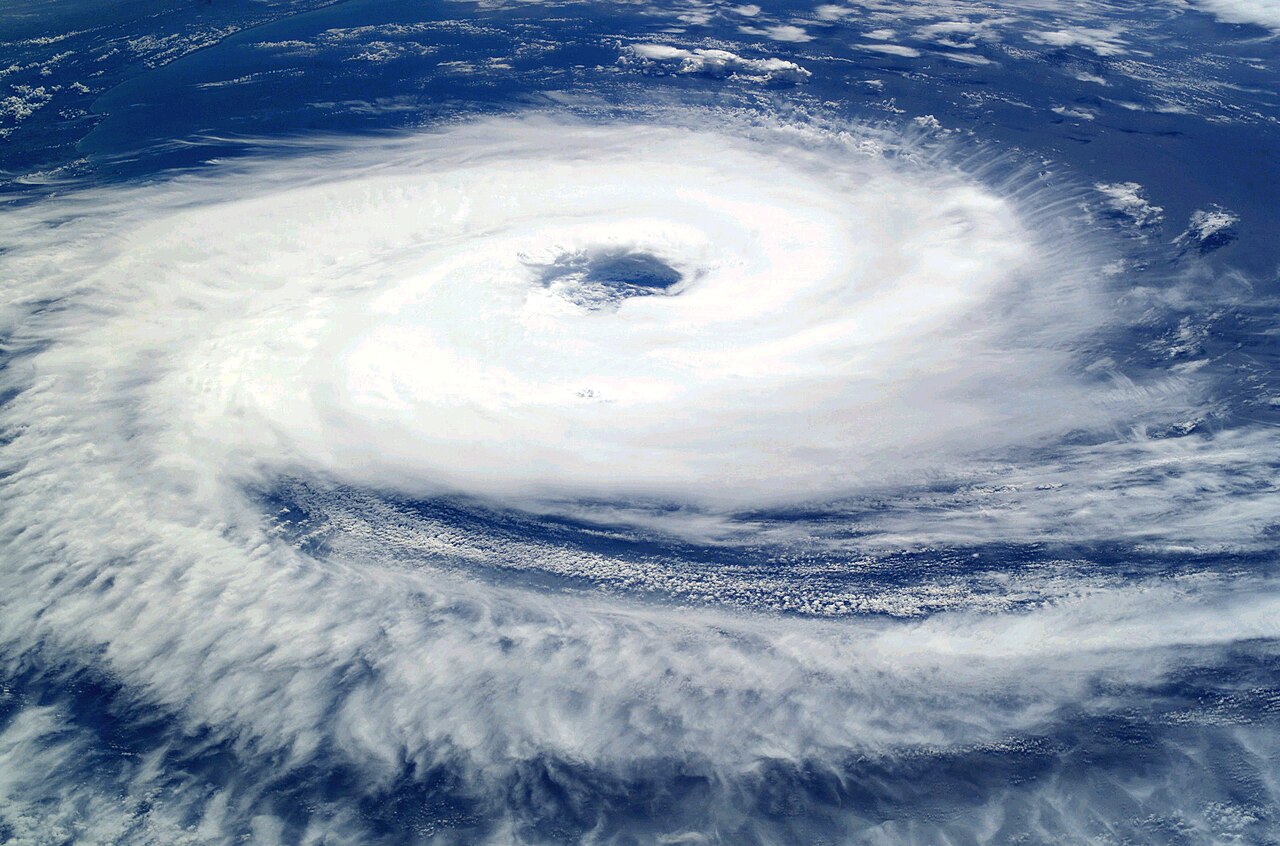




Meteorological summary
Janet developed in the tropical Atlantic during a month that produced several intense storms. Observations available at the time—based on ship reports, reconnaissance aircraft, and land stations—indicated a rapid intensification phase that culminated in Category 5 winds. In the 1950s, meteorological tools such as satellites and computerized models were not available, so forecasting and tracking relied heavily on direct measurements and experience.
Impact and human toll
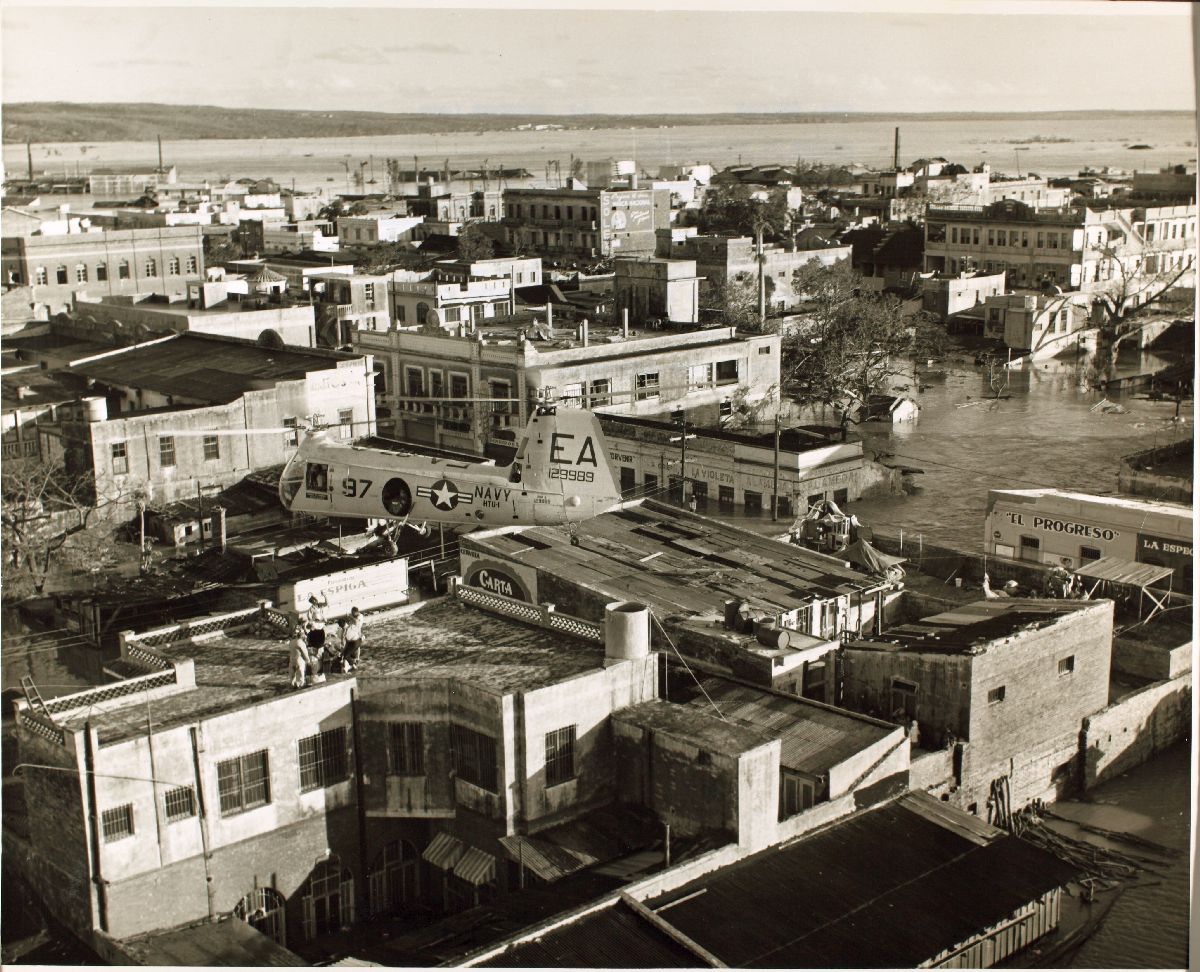
The hurricane caused severe damage across multiple Caribbean islands and on the Yucatán Peninsula. Coastal communities suffered from storm surge and extreme winds that destroyed homes, infrastructure, and crops. Contemporary accounts report that Janet killed approximately 687 people in the Caribbean and in Mexico, with many more left homeless or injured. Communication and transport were disrupted for days to weeks in the hardest-hit areas.
Aftermath and legacy
Relief operations focused on search and rescue, clearing roads, restoring communications, and providing food and shelter. The scale of destruction contributed to changing practices in disaster response and to regional discussions about preparedness. Because of its severity and the high loss of life, the name Janet was retired from future use for Atlantic tropical cyclones.
Notable facts
- Category 5 intensity corresponds to sustained winds of at least 157 mph; Janet exceeded that threshold at peak strength.
- Reported fatalities numbered in the hundreds, making it one of the deadlier Atlantic storms of the 1950s.
- Contemporary reports and later summaries remain important sources for historical study; see an official account for additional details.
Janet remains a referenced example in historical overviews of Atlantic hurricanes: it illustrates both the destructive potential of major tropical cyclones and the limits of mid-20th-century forecasting and preparedness. Its retirement as a storm name reflects its impact on affected nations and communities.
Related articles
Author
AlegsaOnline.com Hurricane Janet (September 1955) — Category 5 Atlantic hurricane Leandro Alegsa
URL: https://en.alegsaonline.com/art/45927