
Hurricane Luis (1995)
Hurricane Luis was a powerful Atlantic tropical cyclone in 1995 that caused extensive damage across the Leeward Islands and later affected parts of North Atlantic Canada and maritime areas.
Overview
Hurricane Luis was a major Atlantic hurricane that formed during the very active 1995 season. It became one of that year's most intense and destructive storms, striking several islands in the eastern Caribbean and producing hazardous conditions farther north. Luis is often discussed in the context of the 1995 hurricane season, which produced many long-lived and intense systems, including Hurricane Opal, which reached a higher peak intensity that year. The storm is remembered for its strong winds, large size, and the concentrated damage to the Leeward Islands.
Image gallery
10 Images




Meteorological origin and characteristics
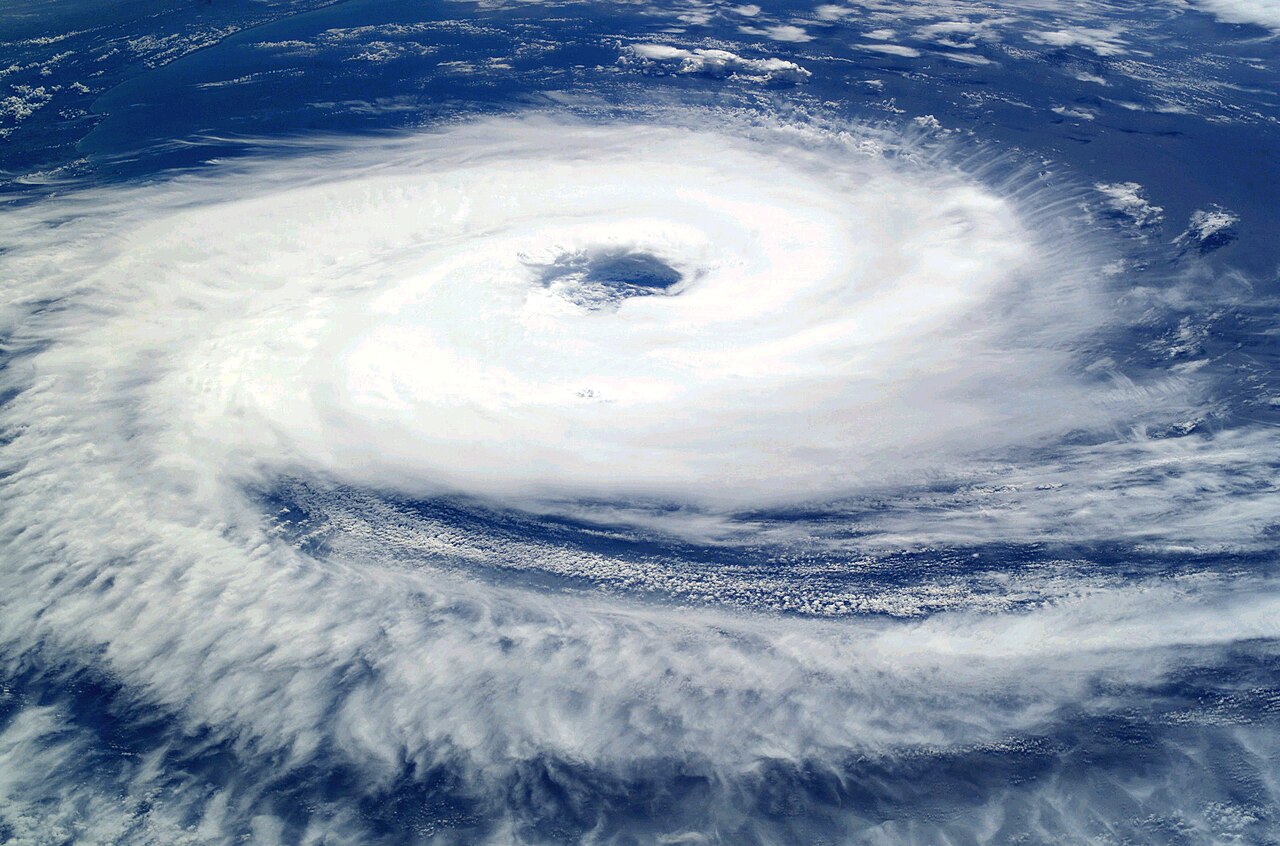
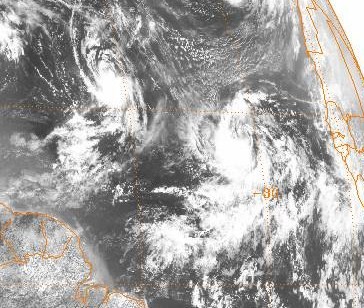
Like many powerful Atlantic hurricanes, Luis originated from an African easterly wave that tracked westward across the tropical Atlantic. It strengthened over warm ocean waters into a major hurricane and maintained strong winds and a well-defined circulation for several days. Luis was relatively large, with hurricane-force winds extending well from the center, and it followed a track that carried it across or near several populated islands before curving northward into the open Atlantic. The storm's size and forward motion contributed to elevated storm surge, coastal erosion, and prolonged periods of gale- to hurricane-force winds in impacted areas.
Impacts and human effects
Luis caused widespread damage across the Leeward Islands where buildings, infrastructure, and coastal communities were hit hard. Roofs were blown off, boats and piers were damaged or destroyed, and roads and utilities were disrupted. The storm produced dangerous surf and storm surge that led to coastal flooding and erosion. In the days and weeks after the hurricane, relief operations focused on shelter, restoring power and water, and rebuilding homes and public facilities. The economic and social effects were significant for small island economies that rely on tourism and local fisheries.
Aftermath, response and recovery
Emergency response involved local governments, regional aid agencies, and international assistance to provide food, water, medical care, and reconstruction support. In many places, rebuilding efforts prompted reviews of building codes and disaster preparedness, emphasizing stronger construction standards and better early warning systems. The experience with Luis, coming amid a cluster of storms during late August and early September 1995, reinforced the need for coordinated preparedness in island chains that can be struck repeatedly during a single season.
Context within the 1995 season and related storms
Luis occurred during a remarkably active Atlantic hurricane season. Several named storms — including Humberto, Iris, Jerry, and Karen — were present around the same period as Luis, illustrating how multiple systems can coexist in a single busy season. Some islands hit by Luis had been affected by Hurricane Iris shortly before, and several areas saw additional storms such as Hurricane Marilyn within weeks. Comparisons are often drawn with earlier catastrophic storms in the region, such as Hurricane Hugo in 1989, because Luis produced the most severe Leeward Islands impacts since that event.
Notable facts and further reading
- Part of the highly active 1995 Atlantic hurricane season: Season overview.
- Compared with other major 1995 storms, including Hurricane Opal.
- Considered the most damaging storm to strike the Leeward Islands since Hurricane Hugo in 1989.
- Occurred during a span when multiple storms — Humberto, Iris, Jerry and Karen — were active.
For more detailed meteorological analyses, post-storm reports and historical summaries are available from national meteorological agencies and hurricane research centers. These sources document the storm's track, intensity changes, and the lessons learned for hazard mitigation and coastal resilience.
Questions and answers
Q: What was Hurricane Luis?
A: Hurricane Luis was one of the most powerful storms of the 1995 Atlantic hurricane season.
Q: Was Hurricane Luis the strongest storm in 1995?
A: No, Hurricane Opal was the strongest storm in 1995.
Q: Which area did Hurricane Luis hit the hardest?
A: Hurricane Luis was the strongest storm to hit the Leeward Islands since Hurricane Hugo in 1989.
Q: Which other hurricanes were active at the same time as Hurricane Luis?
A: From August 22 to September 1 Humberto, Iris, Jerry, Luis, and Karen were active at the same time.
Q: Were there other hurricanes that caused damage in the same areas affected by Hurricane Luis?
A: Yes, most of the places damaged by Luis were damaged only a week earlier by Hurricane Iris, and most of the islands would be damaged again less than two weeks later by Hurricane Marilyn.
Q: Did Hurricane Luis cause damage in the United States?
A: Yes, Hurricane Luis caused damage in the United States.
Q: Did Hurricane Luis cause damage in Newfoundland, Canada?
A: Yes, Hurricane Luis caused damage in Newfoundland, Canada.
Related articles
Author
AlegsaOnline.com Hurricane Luis (1995) Leandro Alegsa
URL: https://en.alegsaonline.com/art/45949
Sources
- nhc.noaa.gov : "Hurricane Luis Preliminary Report"
- wwwnotes.reliefweb.int : Caribbean - Hurricane Luis Sep 1995 UN DHA Situation Reports
- wwwnotes.reliefweb.int : Dominica - Hurricane Situation Report
- timesonline.co.uk : "The ten-storey Mexican wave"