
Hurricane Camille: 1969 Category 5 Atlantic hurricane and its impact
Detailed overview of Hurricane Camille (1969): formation, rapid intensification, extreme intensity at Gulf landfall, coastal destruction in Mississippi, inland flooding in Virginia, casualties, and legacy.
Overview
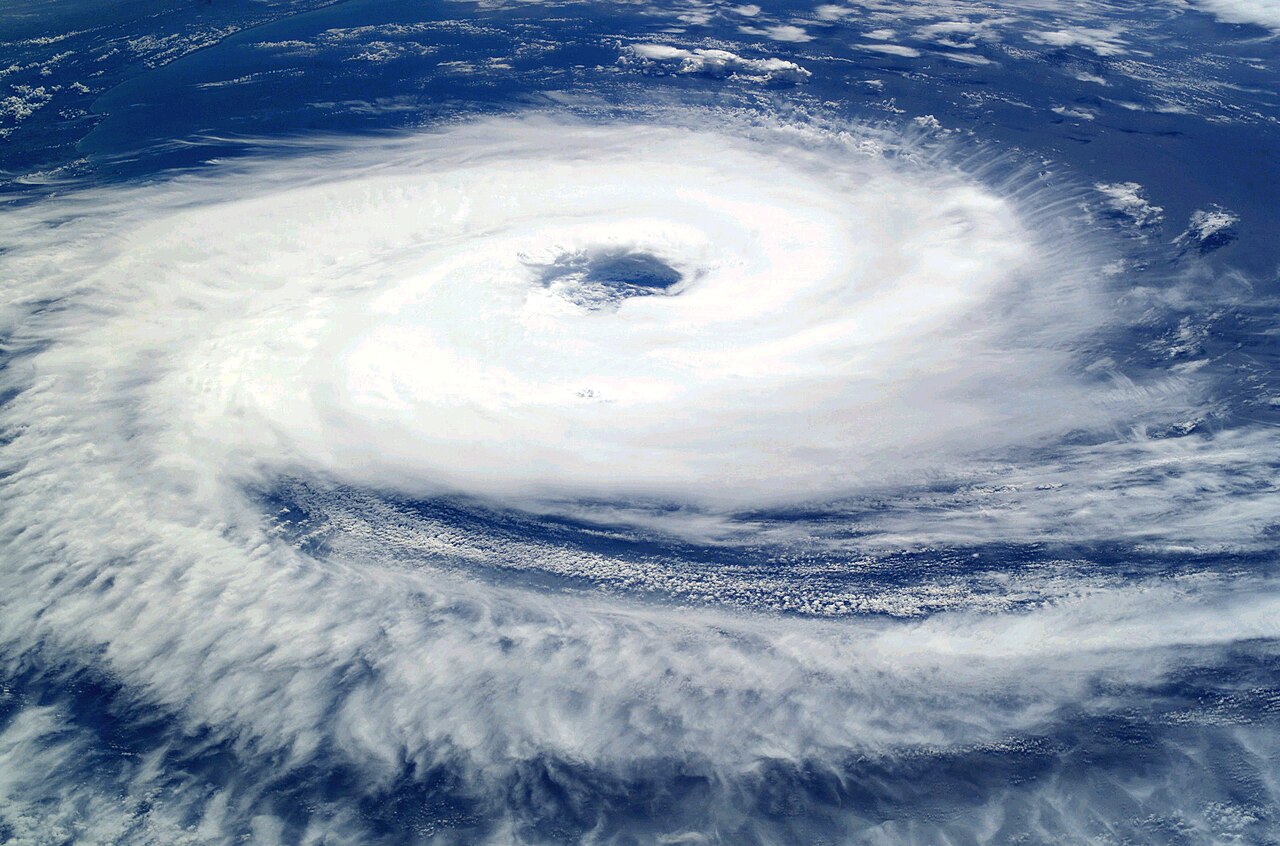
Hurricane Camille was one of the most intense tropical cyclones to strike the United States in the 20th century. The storm formed in mid-August 1969, underwent rapid intensification over the warm waters of the Gulf of Mexico, and made a catastrophic landfall on the Mississippi coast on the night of August 17. Camille combined extreme winds, an exceptionally high storm surge at the coast, and intense inland rainfall that produced severe flooding and landslides far from the shoreline.
Image gallery
10 Images



Formation and track
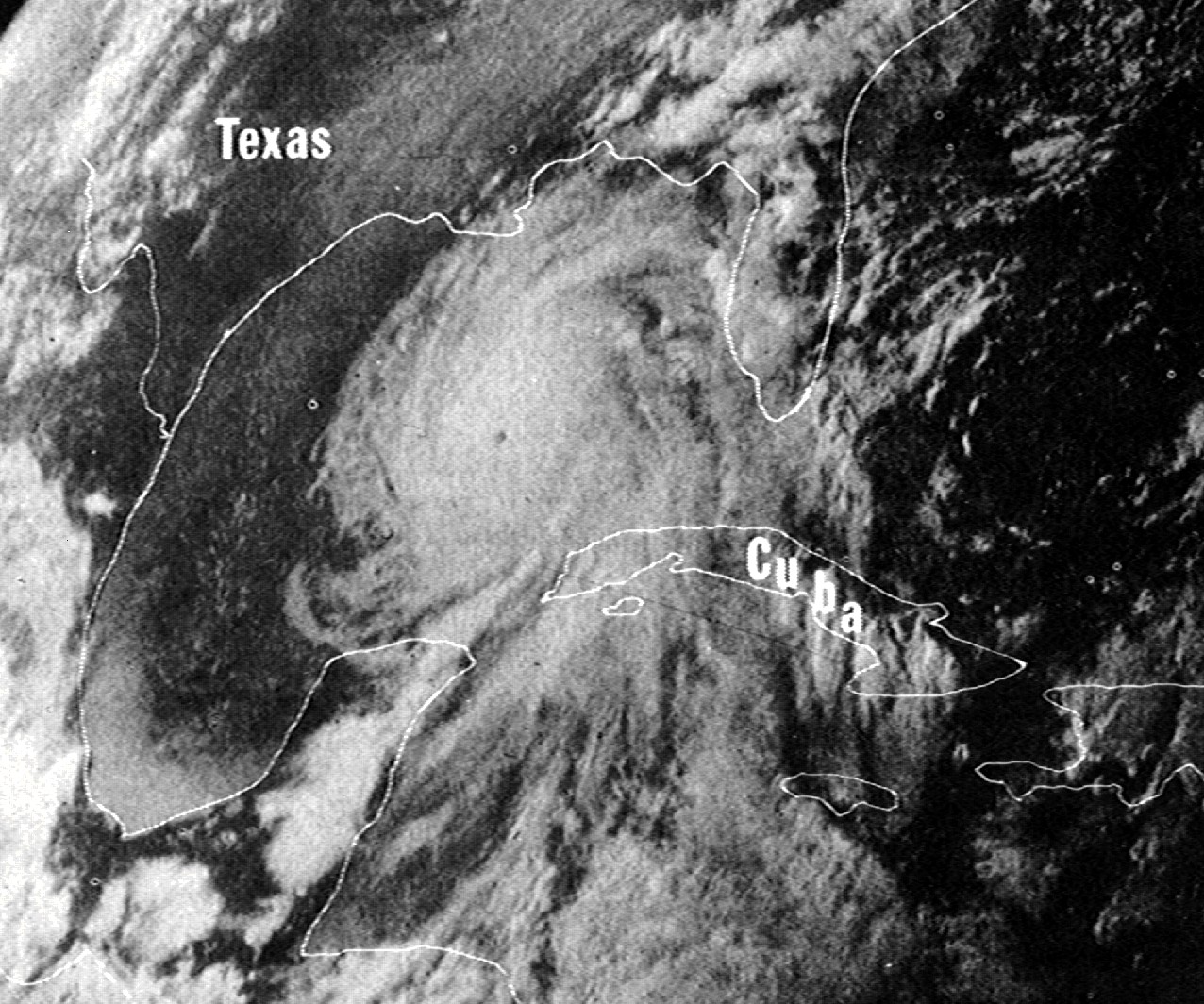
Camille originated from a tropical disturbance in the Atlantic and became a named storm in August 1969. It moved westward, brushing the western end of Cuba at major-hurricane strength before entering the central Gulf of Mexico. Environmental conditions there—very warm sea-surface temperatures, abundant moisture, and relatively low vertical wind shear—favored explosive deepening. The cyclone accelerated in intensity as it approached the northern Gulf coast and turned slightly northward toward the Mississippi delta.
Intensity and records
At landfall near the mouth of the Mississippi River, post-storm analyses estimated an exceptionally low central pressure and sustained winds consistent with Category 5 intensity on the Saffir–Simpson scale. Contemporary reconnaissance and later studies produced estimates of very low pressure (around 900 mbar) and extremely high sustained winds; some estimates put peak winds near 200 mph, though exact values are recognized as estimates based on limited direct observations. The accompanying storm surge was extraordinary in places, reported in some assessments to reach well over 20 feet, overwhelming coastal structures and inundating large areas.
Coastal effects and damage
Camille flattened many beachfront communities along the Mississippi coast, destroying houses, businesses, and infrastructure. Buildings that remained were heavily damaged by a combination of violent winds, flying debris, and the surge-driven inundation. Coastal roads, docks, and utilities were widely destroyed, and barrier islands were reshaped. The economic impact was severe: aggregated damage estimates reached into the billions of dollars in 1969 currency. The human toll along the coast included many fatalities and numerous injuries, and whole neighborhoods were left uninhabitable.
Inland flooding and the Appalachians
After moving inland and losing tropical characteristics, Camille interacted with topography and a slow-moving frontal feature that greatly enhanced rainfall over parts of the central Appalachians, especially in Virginia. Narrow valleys and steep slopes focused runoff, producing flash floods and destructive mudslides. The inland flooding and landslides destroyed roads, bridges, and homes, isolating communities and causing many of the storm’s fatalities. Those events underscored that inland rainfall and flooding can be as deadly as coastal winds and surge.
Casualties and economic losses
Across the affected states, Camille was responsible for a large loss of life and widespread property destruction. Total fatalities are commonly given as 259, and monetary damages were estimated at approximately $1.42 billion in 1969 dollars. These totals include losses from both the immediate coastal impact and the later inland flooding. Exact figures for wind speed, pressure, and surge remain subjects of technical study and occasional revision, as retrospective analyses refine the historical record.
Response, recovery, and policy changes
The scale of destruction prompted major emergency response and long-term recovery efforts at local, state, and federal levels. Camille influenced changes in coastal evacuation planning, public awareness about surge hazards, building practices in hurricane-prone areas, and floodplain management. It also contributed to improvements in hurricane reconnaissance, forecasting, and warning dissemination during the decades that followed.
Scientific and historical significance
Camille is frequently cited in meteorological literature as a benchmark case of rapid intensification and extreme landfall intensity. The event helped motivate detailed studies of storm surge dynamics, observational methods for intense hurricanes, and hydrologic modeling of tropical-rainfall impacts in mountainous terrain. For emergency managers and engineers, Camille remains an example of how multiple hazards from a single tropical cyclone—wind, surge, and inland flooding—can combine to produce catastrophic outcomes.
References and further reading
- Season context: Part of the 1969 Atlantic hurricane season, see season summary.
- Meteorological archives: official observations and track data are preserved in archival materials: archive 1, archive 2.
- Technical analyses: post-storm reports and reanalysis papers: report A, report B.
- Surge studies: reconstructions and case studies of the coastal inundation: surge study, storm surge atlas.
- Local impact: historical accounts and community records from affected towns: local history, community report.
- Hydrology and inland flooding: analyses of mountain runoff and flash-flood events: flood study, mountain runoff report.
- Policy and preparedness: reviews of emergency planning and building-code responses: policy review, building code analysis, evacuation planning.
- Archival collections: photographic and oral-history resources documenting impacts and recovery: archive gallery, oral histories, technical appendix.
Note: Specific values for central pressure, sustained winds, and storm surge for historic storms are subject to reassessment as new analyses and methods are applied. Camille remains a reference event for studying extreme hurricane behavior and its wide-ranging impacts.
Related articles
Author
AlegsaOnline.com Hurricane Camille: 1969 Category 5 Atlantic hurricane and its impact Leandro Alegsa
URL: https://en.alegsaonline.com/art/45843
Sources
- westegg.com : "The Inflation Calculator"