
Hurricane Carol (1954)
Hurricane Carol was a powerful late‑August 1954 hurricane that struck New England, causing widespread coastal flooding, wind damage, and becoming one of the costliest U.S. storms up to that date.
Overview
Hurricane Carol was a powerful Atlantic storm that impacted the northeastern United States in late August 1954. It is remembered as one of the most destructive hurricanes to affect New England during the 20th century and produced severe coastal flooding and wind damage across parts of the United States. Carol developed over warm waters and accelerated toward the northeast, striking densely populated shorelines and causing wide-ranging disruption.
Image gallery
7 Images


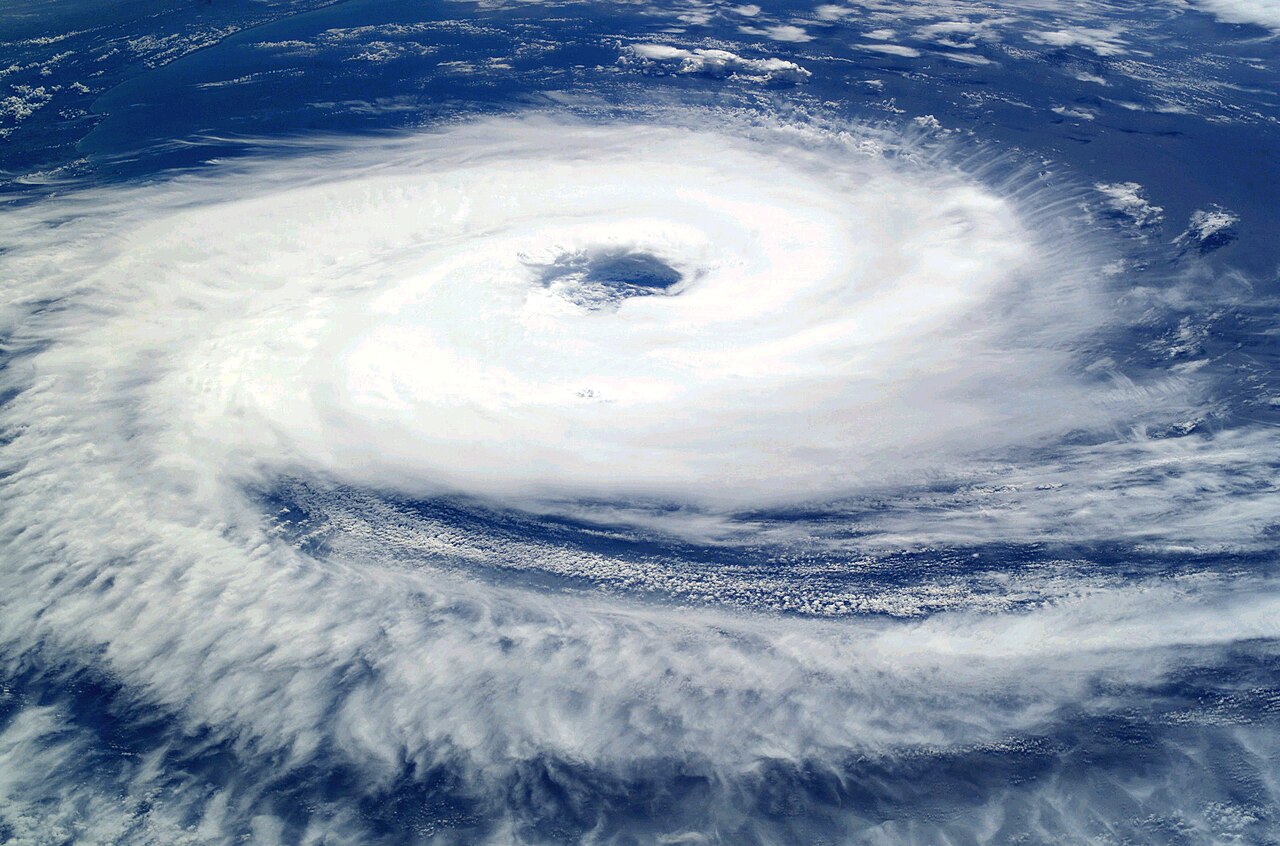


Formation and track
The system that became Carol originated from a tropical disturbance near the Bahamas on August 25, 1954. This seed disturbance, commonly referred to as a tropical wave, organized into a tropical cyclone and strengthened as it moved northward. The storm followed a relatively direct track toward the New England coast, bringing its strongest impacts to coastal and near‑coastal areas in late August.
Characteristics
Carol was a relatively compact but intense storm that moved quickly. At the time of its U.S. landfall it was classified as a major hurricane (Category 3 on the Saffir–Simpson scale), capable of producing damaging sustained winds, heavy rainbands, and a significant storm surge. Its forward speed helped concentrate impacts over a short period, amplifying wind-induced damage and making rapid response and evacuation more difficult.
Impacts
The hurricane produced several types of damage that are common to strong coastal storms:
- Coastal flooding and storm surge that inundated waterfront neighborhoods, marinas, and low-lying infrastructure.
- Widespread wind damage to homes, commercial buildings, power lines, and trees, causing lengthy outages and blocked roads.
- Maritime and harbor losses, with vessels driven aground or damaged in exposed ports.
- Economic disruption from destroyed property, business closures, and the cost of repairs and recovery.
At the time, Carol was regarded as one of the costliest hurricanes to strike the country, prompting large relief and rebuilding efforts in affected communities.
Comparison and legacy
Carol is often compared to the historic New England hurricane of 1938 because both storms were unusually fast-moving and struck similar coastal areas. While the 1938 event remains notable for its extreme intensity and suddenness, Carol reinforced the vulnerability of the northeastern shore to powerful late‑season hurricanes. The storm influenced improvements in forecasting, emergency planning, and coastal construction standards in the decades that followed, helping communities prepare better for future coastal storms.
Questions and answers
Q: When did Hurricane Carol form?
A: Hurricane Carol formed on August 25, 1954.
Q: Where did Hurricane Carol hit?
A: Hurricane Carol hit New England, which is in United States.
Q: What was Hurricane Carol like?
A: Hurricane Carol was one of the worst hurricanes in New England. It was a fast-moving storm, like the New England Hurricane of 1938.
Q: What was the most damaging United States hurricane at the time?
A: Hurricane Carol was the most damaging United States hurricane at the time.
Q: Where did Hurricane Carol originate from?
A: Hurricane Carol originated from a tropical wave near the Bahamas.
Q: What is the New England Hurricane of 1938?
A: The New England Hurricane of 1938 was a fast-moving storm that hit the same area as Hurricane Carol.
Q: How did Hurricane Carol compare to the New England Hurricane of 1938?
A: Hurricane Carol was like the New England Hurricane of 1938 in that both were fast-moving storms that hit the same area.
Related articles
Author
AlegsaOnline.com Hurricane Carol (1954) Leandro Alegsa
URL: https://en.alegsaonline.com/art/45846
Sources
- geocities.com : "Hurricane Carol - August 31, 1954"
- nhc.noaa.gov : "The Costliest United States Tropical Cyclones from 1851 to 2004"