
Rapid deepening of tropical cyclones
Rapid deepening describes a fast fall in a tropical cyclone's central pressure, usually linked to swift intensification. It highlights causes, measurement, impacts, forecasting challenges, and related terms.
Overview
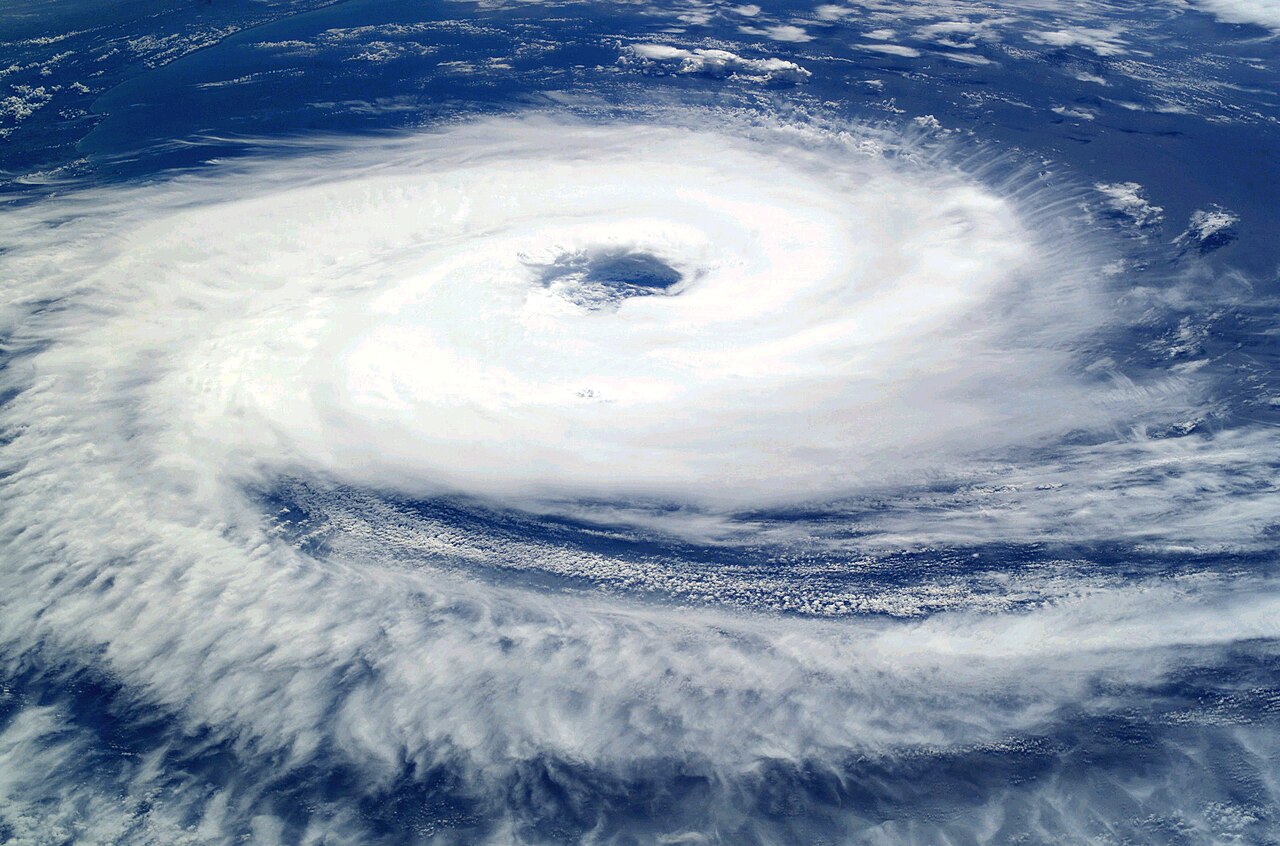
Rapid deepening is the meteorological term for a swift decline in the minimum central pressure of a tropical cyclone, often accompanied by a fast increase in wind strength and destructive potential. Operational agencies commonly apply a threshold to distinguish ordinary strengthening from rapid deepening: for example, the National Weather Service uses a drop of 42 millibars in 24 hours as a working definition. The underlying concept links pressure fall to the cyclone's energetic intensification.
Image gallery
7 Images


Characteristics and causes
Rapid deepening occurs when a tropical cyclone encounters a combination of favorable environmental and internal conditions. Typical promoting factors include very warm ocean waters, high ocean heat content, low vertical wind shear, moist mid-level air, and an already well-organized inner core such as a defined eye and eyewall. Internal processes, such as eyewall replacement cycles or heat release from convection, can accelerate pressure falls once established.
Detection, measurement and forecasting
Analysts measure rapid deepening primarily by changes in minimum sea-level pressure (sea-level pressure) and by corresponding increases in maximum sustained winds. Aircraft reconnaissance, satellite estimates, and surface observations contribute to assessments. Forecasting rapid deepening remains among the most challenging problems in tropical meteorology because small-scale dynamics and ocean–atmosphere feedbacks can cause abrupt changes that numerical models do not always capture.
Impacts, examples and importance
When a storm undergoes rapid deepening it may reach major hurricane strength within a short period, greatly reducing preparation time for affected areas. Rapidly deepening storms tend to produce extreme winds, heavy rainfall, and elevated storm surge. Notable historical cases have drawn attention to the phenomenon and spurred improvements in monitoring and warnings. For emergency managers and the public, anticipating possible rapid deepening is crucial for timely evacuations and response.
Distinctions and notable facts
- Terminology: Some sources prefer the term "rapid intensification" when focusing on wind increases, while "rapid deepening" emphasizes central pressure fall.
- Related mid-latitude concept: Extratropical cyclones can undergo "bombogenesis," a rapid pressure fall using different criteria and dynamics.
- Forecast progress: Advances in satellite remote sensing, high-resolution models, and ocean observing systems have improved but not eliminated surprise cases of rapid deepening.
Understanding rapid deepening blends observational records, theory, and modeling. Continued research aims to reduce forecast uncertainty, giving communities more reliable lead time when storms intensify unexpectedly.
sea-level pressure • tropical cyclone • National Weather Service • 42 millibars • 24 hours
Related articles
Author
AlegsaOnline.com Rapid deepening of tropical cyclones Leandro Alegsa
URL: https://en.alegsaonline.com/art/81198
Sources
- nhc.noaa.gov : "Glossary of NHC/TPC Terms"