
Hurricane Beulah (1967)
Major 1967 Atlantic hurricane that crossed the Caribbean, struck the Yucatán, briefly reached Category 5, made landfall in Texas as a major hurricane, spawned 115 tornadoes, caused severe flooding and 58 deaths.
Hurricane Beulah was a powerful and destructive tropical cyclone during the 1967 Atlantic hurricane season. It developed over warm waters in the western Caribbean Sea, crossed the Yucatán Peninsula of Mexico, and re-emerged into the Gulf of Mexico, where it briefly reached Category 5 intensity. Although it weakened prior to final landfall on the United States coast, Beulah remained a major hurricane and produced prolonged, catastrophic impacts inland.
Image gallery
10 Images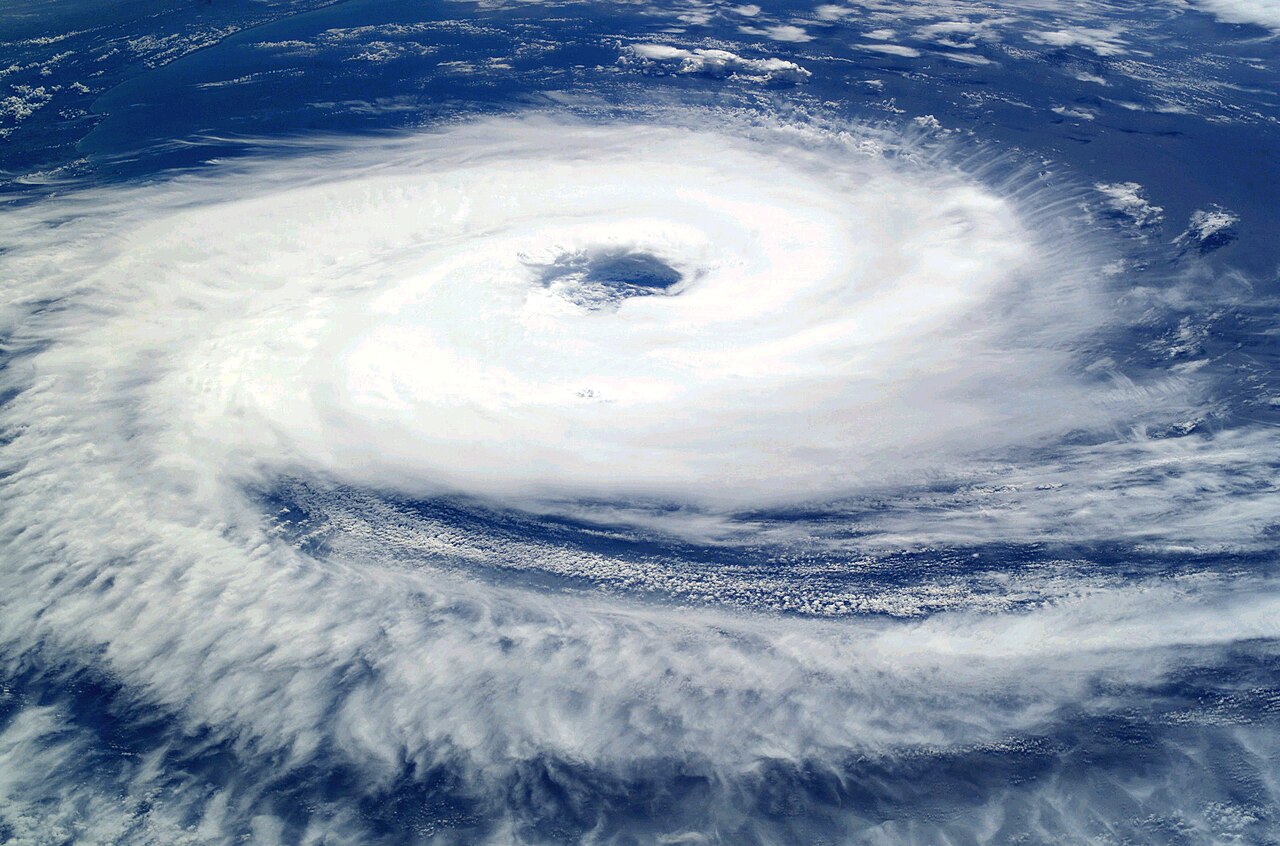





Meteorological history
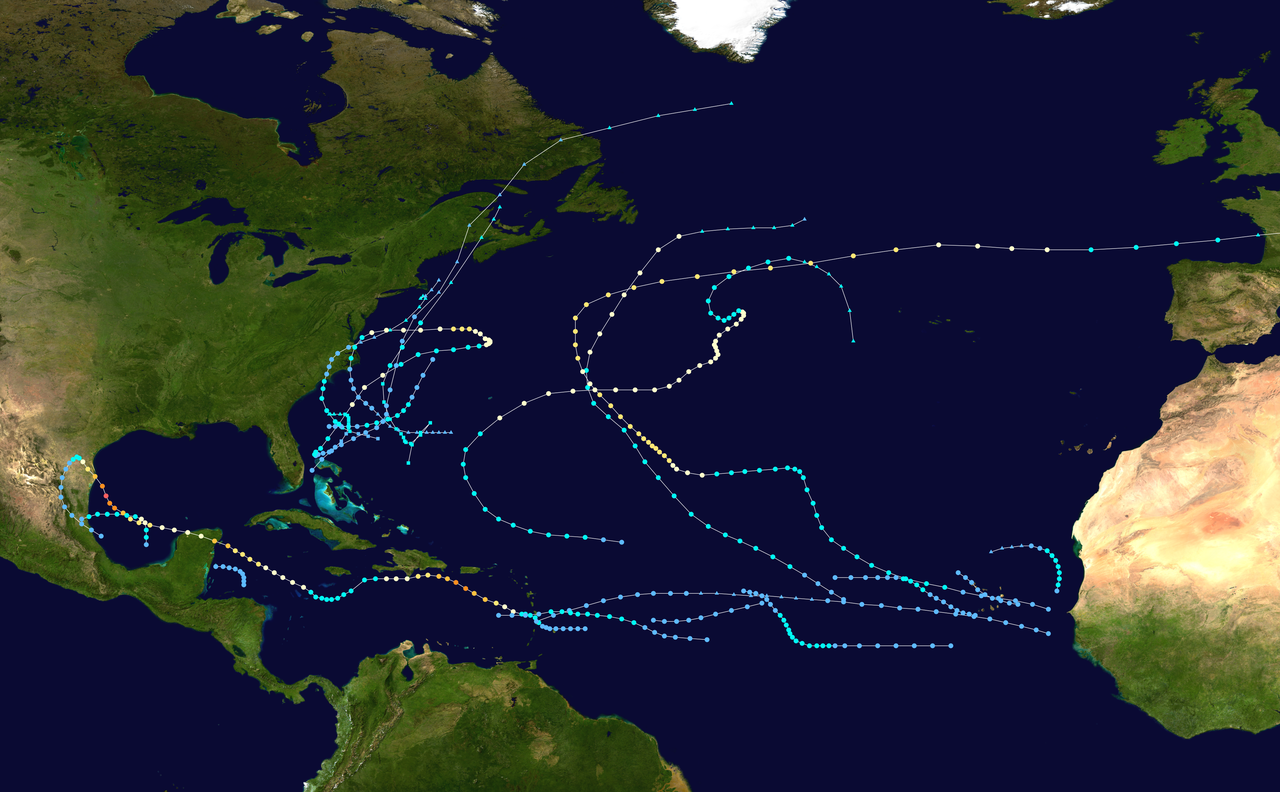
Beulah followed a generally west-northwest track typical of late-season Atlantic storms that form over the warm Caribbean waters. Interaction with land during the passage over the Yucatán Peninsula disrupted the storm's inner core, but warm sea-surface temperatures and favorable upper-level conditions in the Gulf of Mexico allowed it to intensify again. For a short period it reached the highest category on the Saffir–Simpson scale, then weakened slightly before making coastal landfall. After moving onshore the cyclone slowed substantially, prolonging rainfall and increasing the risk of inland flooding.
Preparations
Authorities in affected countries issued warnings and evacuation recommendations as the storm approached threatened coastlines. Local emergency operations focused on moving people from exposed low-lying areas, securing property, and preparing shelters. Shipping and offshore operations were suspended in areas forecast to be impacted by hurricane-force winds and high seas.
Impacts
- Mexico and Yucatán: Beulah struck the Yucatán Peninsula, where strong winds and coastal inundation damaged infrastructure, homes, and agriculture. Passage across land temporarily weakened the cyclone, but damage in the region was significant.
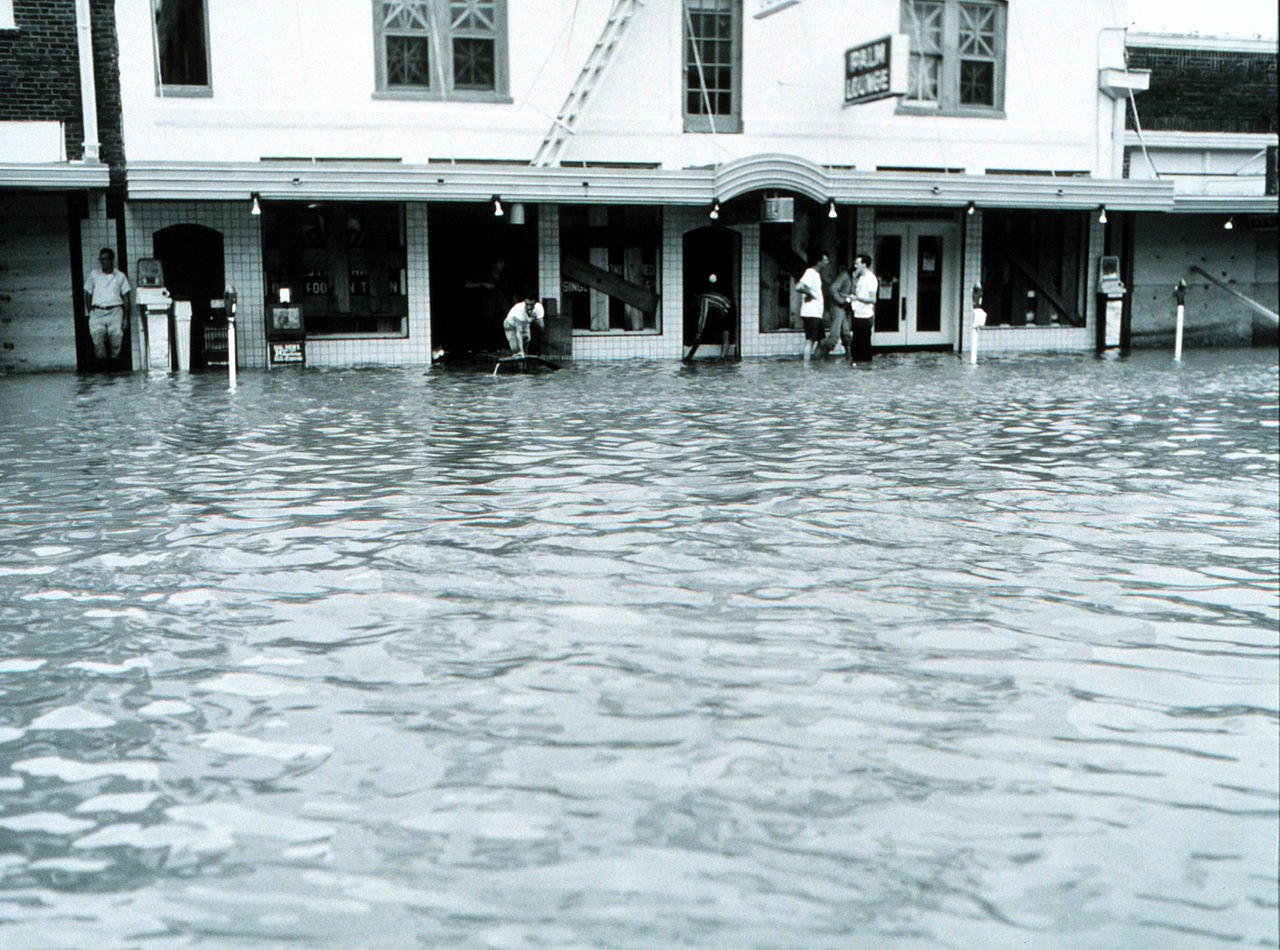
- United States — Texas: After entering the Gulf of Mexico and regaining strength, the storm's final landfall in Texas produced hurricane conditions, storm surge along the coast, and extensive inland rainfall. Because the system moved slowly after landfall, rainfall totals accumulated over an extended period, leading to widespread flooding that inundated settlements, washed out roads, and damaged crops and utilities.
- Tornado outbreak: Beulah generated an exceptional tornado outbreak across Texas. Meteorological surveys documented 115 twisters associated with the cyclone — at the time a record number produced by a single tropical system and a subject of study in severe weather research (tornado records from tropical cyclones).
Damage and casualties
The combined effects of wind, surge, flood, and tornadoes produced severe economic losses and human suffering. Damage estimates, adjusted to later-dollar values for comparison, exceeded $1 billion expressed in 2005 USD. The storm was also deadly, with an estimated 58 fatalities attributed to its direct and indirect effects.
Aftermath and legacy
Recovery required large-scale emergency response, including search and rescue, restoring communications and utilities, repairing transportation infrastructure, and rebuilding homes and levees. The extraordinary tornado outbreak and the extensive inland flooding influenced revisions in forecasting practices and emergency planning: meteorologists and emergency managers re-evaluated the potential for severe convective storms embedded within tropical cyclones and emphasized floodplain planning for areas at risk from slow-moving landfalls.
Significance
Beulah remains notable in the historical record for its intensity, the scale of its tornado outbreak, and the severe flooding that followed its slow inland progression. It is frequently cited in studies of tropical cyclone dynamics, storm-related tornado generation, and flood risk associated with sustained heavy rainfall from slow-moving hurricanes. For detailed meteorological analyses and historical summaries, consult official post-storm reports and season summaries for the 1967 Atlantic hurricane season and archival materials on regional hurricane impacts.
Further reading and resources include storm summaries, technical assessments, and historical accounts that examine Beulah's track, evolution, and the lessons learned for preparedness and mitigation in coastal and inland communities.
Related articles
Author
AlegsaOnline.com Hurricane Beulah (1967) Leandro Alegsa
URL: https://en.alegsaonline.com/art/45837