
Hurricane Cleo (1964) — major Atlantic hurricane affecting the Caribbean and U.S. East Coast
Hurricane Cleo was a powerful late‑August–early‑September 1964 Atlantic hurricane that struck Guadeloupe, Hispaniola and the U.S. East Coast, causing over $198 million damage and more than 200 deaths.
Overview
Hurricane Cleo was an intense Atlantic tropical cyclone that occurred in late August and early September 1964. It strengthened to sustained winds near 140 miles per hour, a speed equivalent to a Category 4 hurricane on the Saffir–Simpson scale. Cleo tracked through parts of the eastern Caribbean and then moved northwest, eventually affecting portions of the southeastern United States along the Atlantic seaboard.
Image gallery
7 Images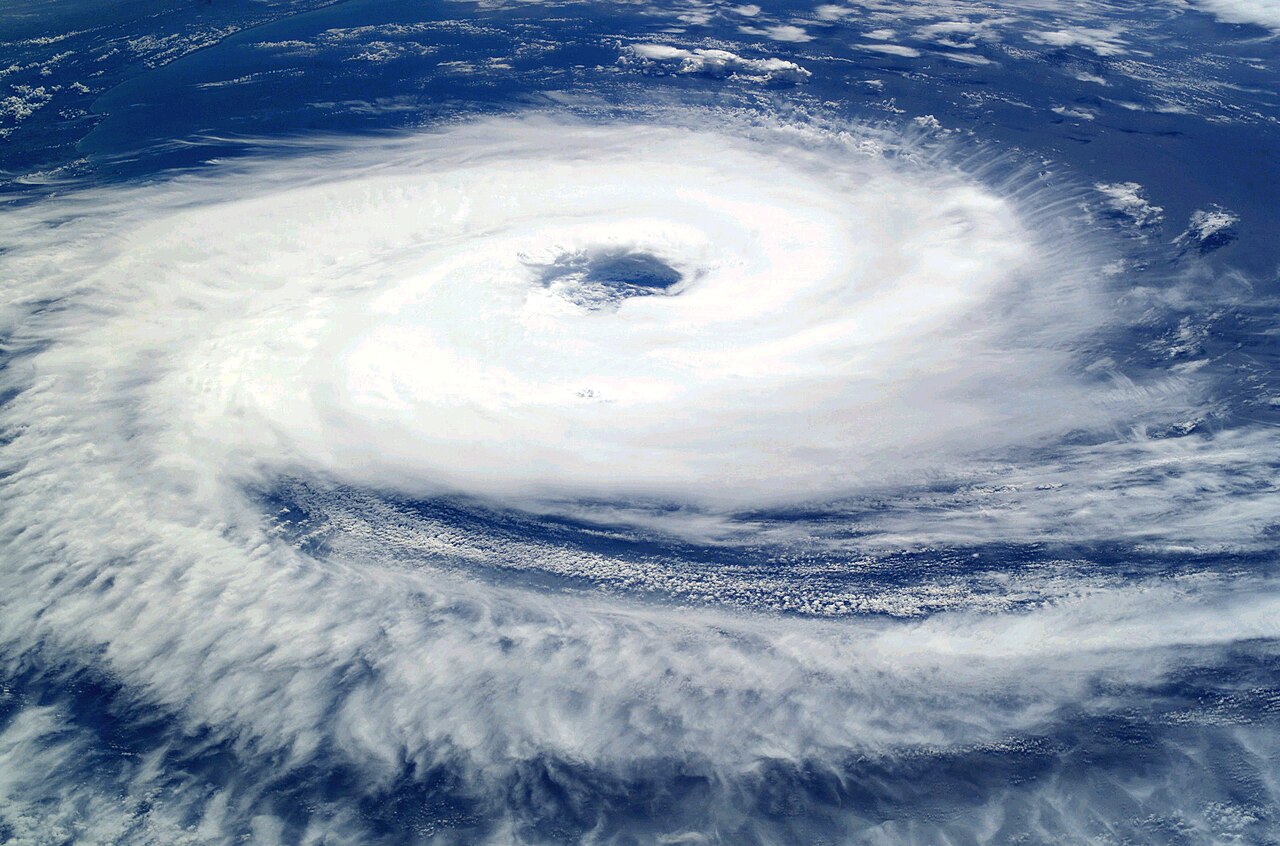


Meteorological history
The system developed in the Atlantic basin in late August and intensified rapidly as it moved west-northwest. Cleo passed over or very near several islands of the Lesser Antilles, producing destructive winds and storm surge. It crossed Guadeloupe (Guadeloupe), moved near or across Hispaniola (Hispaniola), and then followed a path that brought hurricane conditions to parts of southeastern Florida and up the coast toward the mid-Atlantic states.
Impacts by region
- Caribbean islands: Heavy winds and flooding caused widespread damage to buildings, crops and infrastructure on islands in the storm's path; the human toll was concentrated in areas with vulnerable housing and terrain.
- Southeastern United States: After passing the Caribbean, Cleo affected areas from southeastern Florida northward, producing coastal flooding, wind damage and power outages.
- Mid-Atlantic: As the system moved parallel to the coast it brought strong winds, beach erosion and localized flooding as far north as Virginia.
Casualties and damage
Combined casualties from the storm were high; reports attribute more than 200 deaths to Cleo's passage, with the greatest loss of life occurring in the Caribbean. Economic losses were substantial for the period, with total damage estimated at just over $198 million in 1964 U.S. dollars. The distribution of damage included destroyed dwellings, ruined crops and significant interruptions to transportation and utilities.
Aftermath and legacy
Because of the storm's severity and death toll, the name Cleo was retired from the rotating Atlantic hurricane name lists in the spring of 1965, a practice used to avoid future confusion and out of sensitivity for communities affected by particularly destructive storms. The hurricane highlighted vulnerabilities in coastal and island infrastructure and contributed to improvements in forecasting, warning dissemination and emergency preparedness in subsequent years.
Notable facts
Cleo remains one of the better-remembered storms of the 1960s because of its intensity, the extent of the area affected from the Caribbean to the U.S. East Coast, and the decision to retire its name. For more detailed meteorological data, historical accounts and archival materials, consult dedicated hurricane history resources and regional archives (general reference).
Related articles
Author
AlegsaOnline.com Hurricane Cleo (1964) — major Atlantic hurricane affecting the Caribbean and U.S. East Coast Leandro Alegsa
URL: https://en.alegsaonline.com/art/45852
Sources
- aoml.noaa.gov : "The Hurricane Season of 1964"