
1967 Atlantic hurricane season
Seasonal summary of the 1967 Atlantic hurricane season, its storms, notable Hurricane Beulah, impacts, and meteorological context.
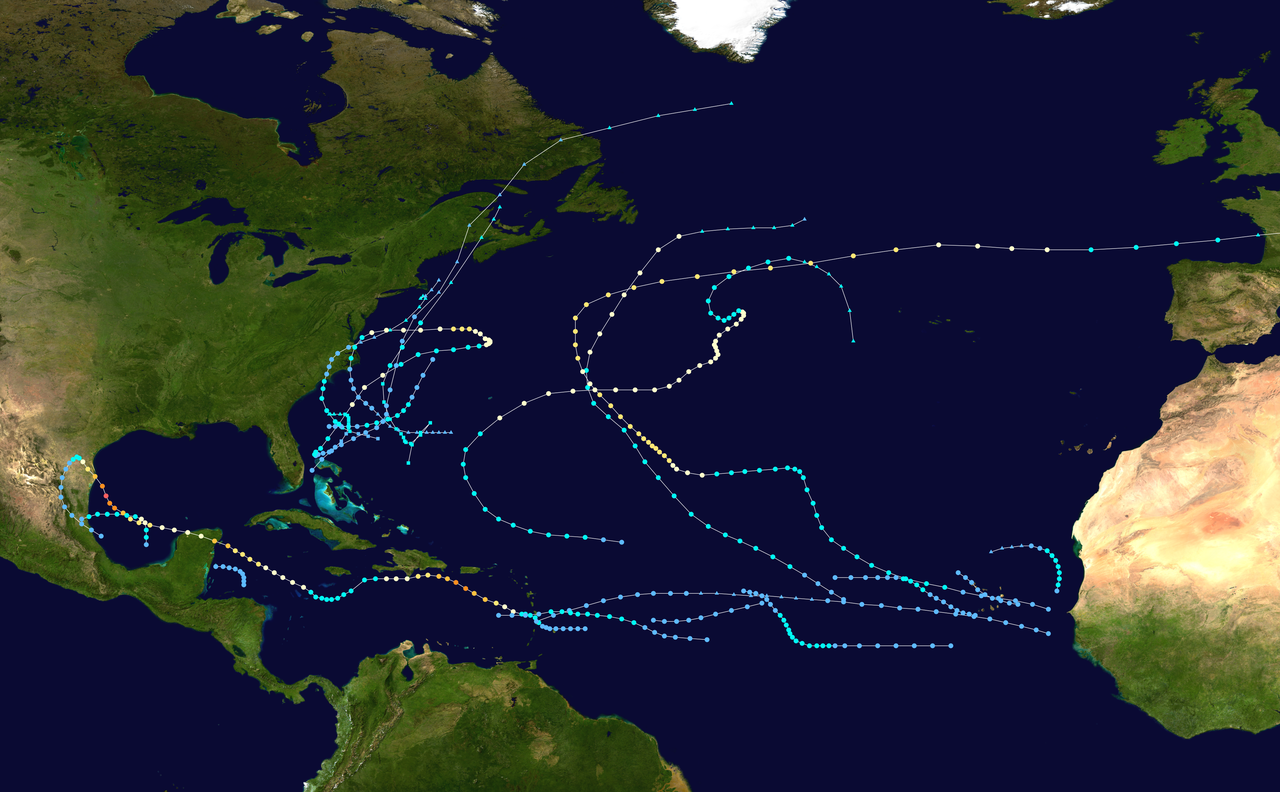
The 1967 Atlantic hurricane season officially ran from June 1 through November 30 in 1967. These dates mark the period when most tropical cyclones develop in the Atlantic basin, although individual systems can form outside this window. Overall activity in 1967 was described as fairly average, with eight storms forming over the course of the season.
Image gallery
10 Images


Overview and characteristics
Storms in the 1967 season developed in the typical areas: the tropical Atlantic, the Caribbean Sea, and the Gulf of Mexico. The season included both short-lived systems and storms that crossed land. Like many seasons in the mid-20th century, 1967 benefited from improving observational tools — particularly satellite imagery and aircraft reconnaissance — which helped meteorologists track systems and issue warnings.
Notable storms
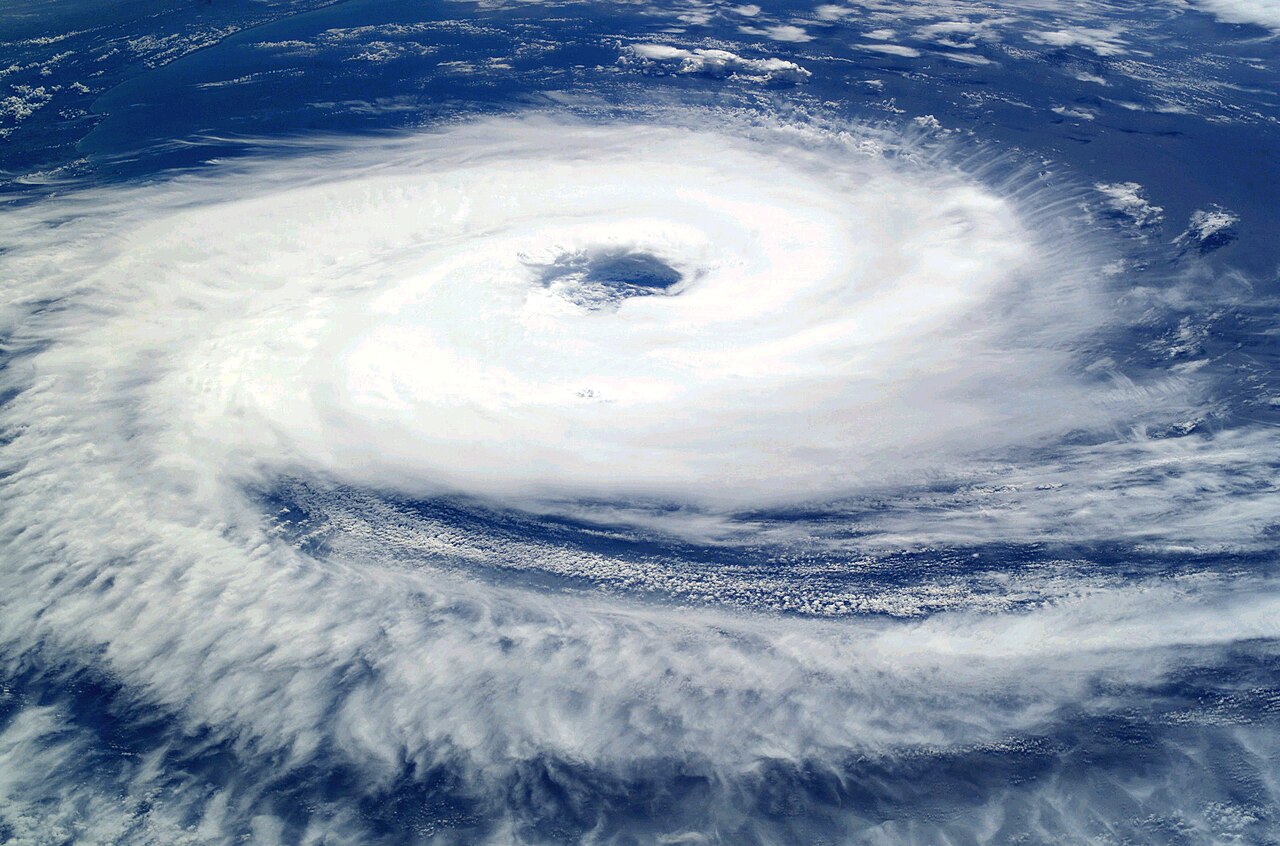
The most prominent storm of the year was Hurricane Beulah. Beulah reached major hurricane strength and is remembered for its powerful winds and destructive flooding. The hurricane caused 58 fatalities and produced about $217 million in damage (1967 US dollars), a figure sometimes reported alongside an inflation-adjusted estimate of roughly $1.2 billion in 2005 dollars (adjusted estimate). Beulah crossed the Yucatán Peninsula before a second landfall near the mouth of the Rio Grande, producing severe impacts in both Mexico and the United States.
Impacts and response
Damage from the season was concentrated largely in areas affected by Beulah. Impacts included coastal storm surge, heavy rainfall, flooding and disruption to agriculture and infrastructure in coastal regions. Emergency responses combined local and national resources; warnings and evacuations helped reduce casualties relative to what might have occurred without timely forecasts. Recovery and rebuilding took months in the hardest-hit communities.
Legacy and context
While 1967 was not among the most extreme seasons on record, the year is notable for producing a very powerful hurricane whose human and economic consequences were significant. The season came during a period when hurricane science was transitioning into the satellite era, improving storm detection and track forecasting in subsequent decades. Historical records from seasons like 1967 continue to inform modern risk assessments, preparedness planning, and studies of long-term hurricane activity.
- Official season dates: June 1 to November 30.
- Year: 1967.
- Definition reference: tropical cyclones.
- Most notable storm: Hurricane Beulah, with reported deaths and damage; see damage estimate.
- Major land areas affected by Beulah: Yucatán Peninsula and the Rio Grande region.
For further details on individual storms, meteorological data and post-season analyses, consult specialized historical hurricane reports and archived advisories from the period.
Related articles
Author
AlegsaOnline.com 1967 Atlantic hurricane season Leandro Alegsa
URL: https://en.alegsaonline.com/art/112088