
Hurricane Connie (1955)
Hurricane Connie was a powerful 1955 Atlantic hurricane that struck the U.S. East Coast, bringing heavy rain, coastal damage, and contributing to widespread flooding in the Mid-Atlantic states; the name was later retired.
Overview
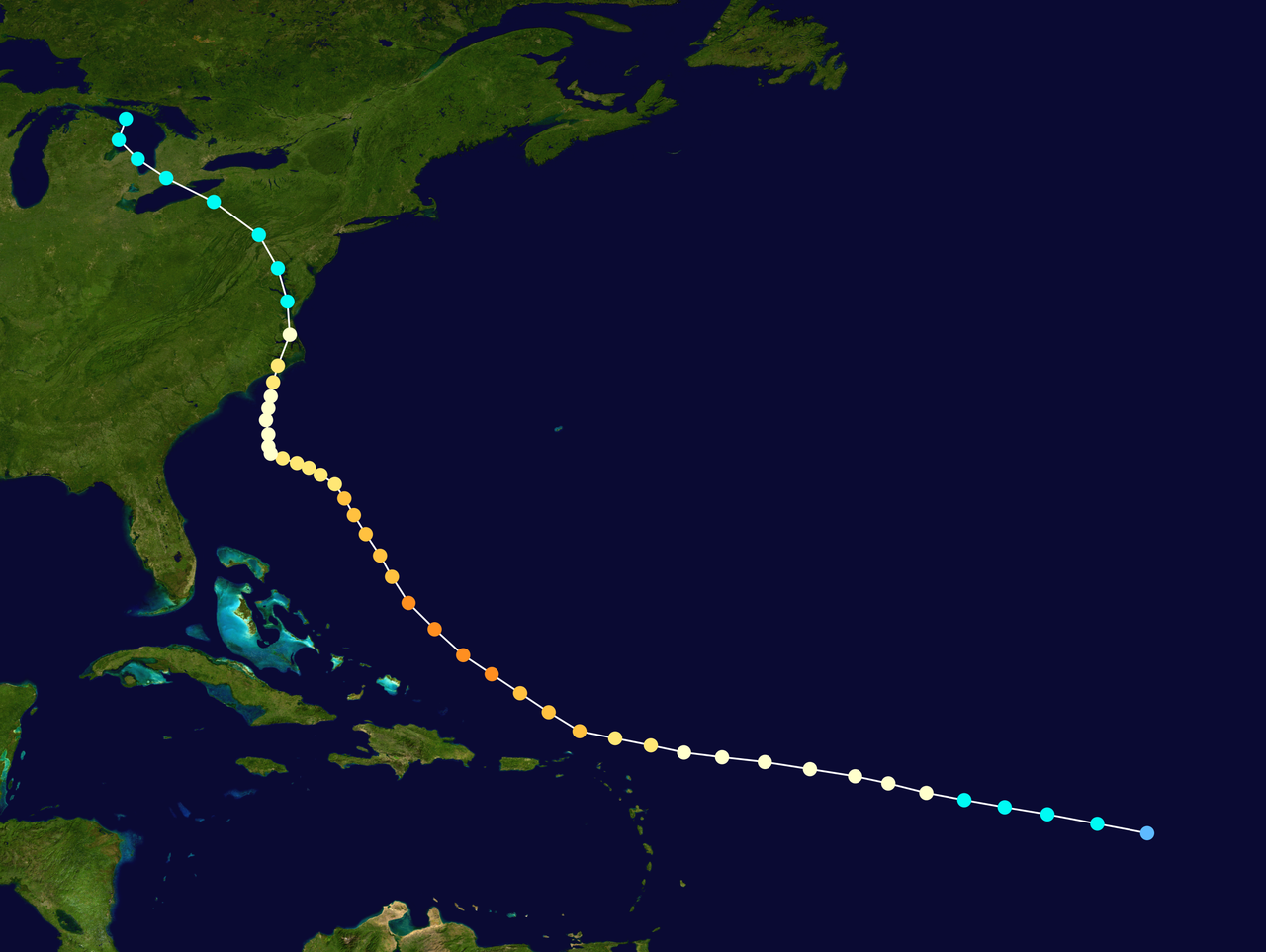
Hurricane Connie was a notable Atlantic tropical cyclone in 1955 that impacted the U.S. East Coast. The storm moved close to or across parts of North Carolina and progressed northward along the Mid-Atlantic seaboard. Connie produced strong winds, coastal storm surge, and prolonged heavy rainfall that affected communities from the Southeast into the northeastern United States.
Image gallery
9 Images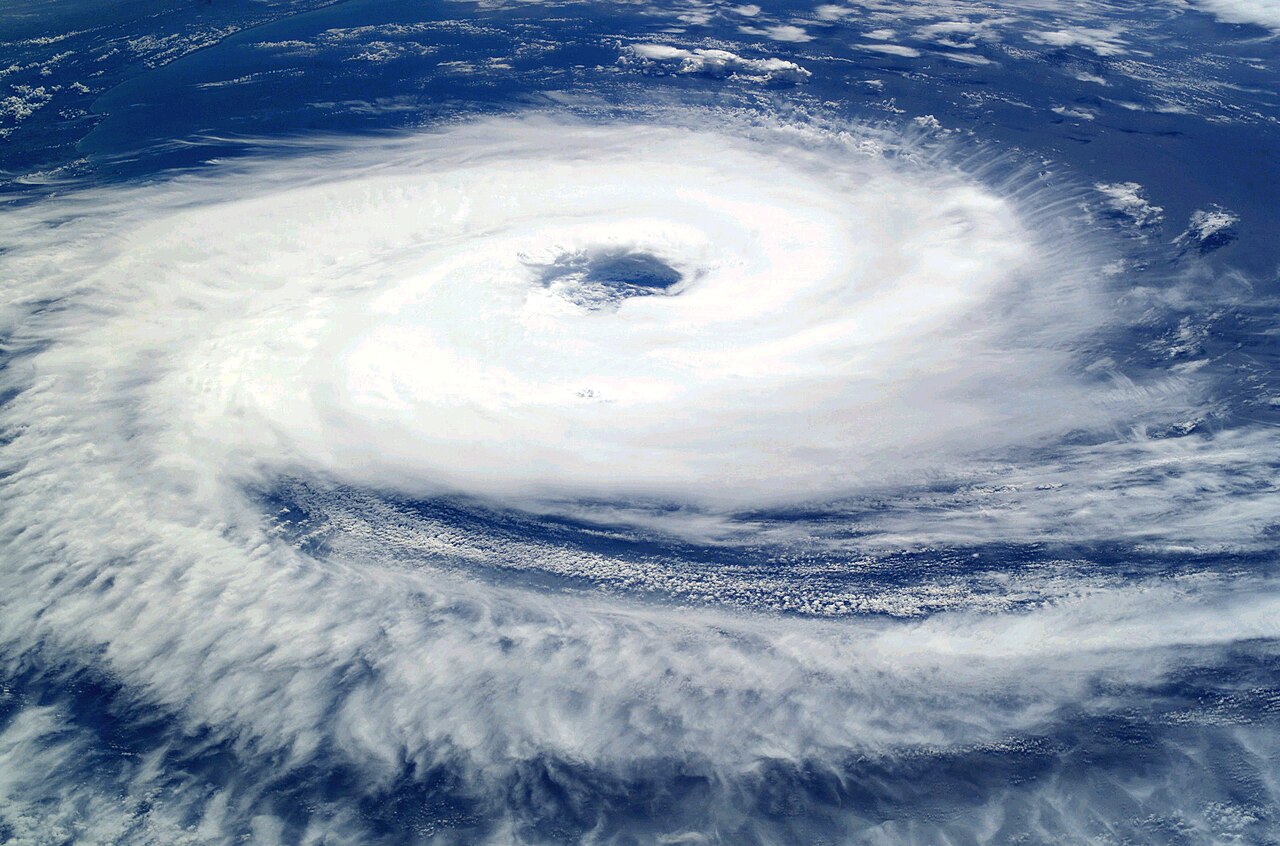





Meteorological characteristics
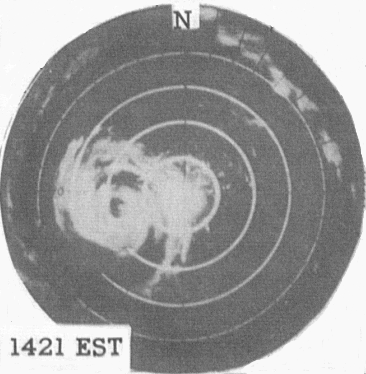
Connie developed over warm Atlantic waters and intensified as it approached the continental shelf. It retained hurricane strength while approaching the coast and then weakened as it moved inland and interacted with land and cooler air. The combination of a slow forward motion in places and ample atmospheric moisture generated intense precipitation over some river basins in the Mid-Atlantic region.
Impact and damage
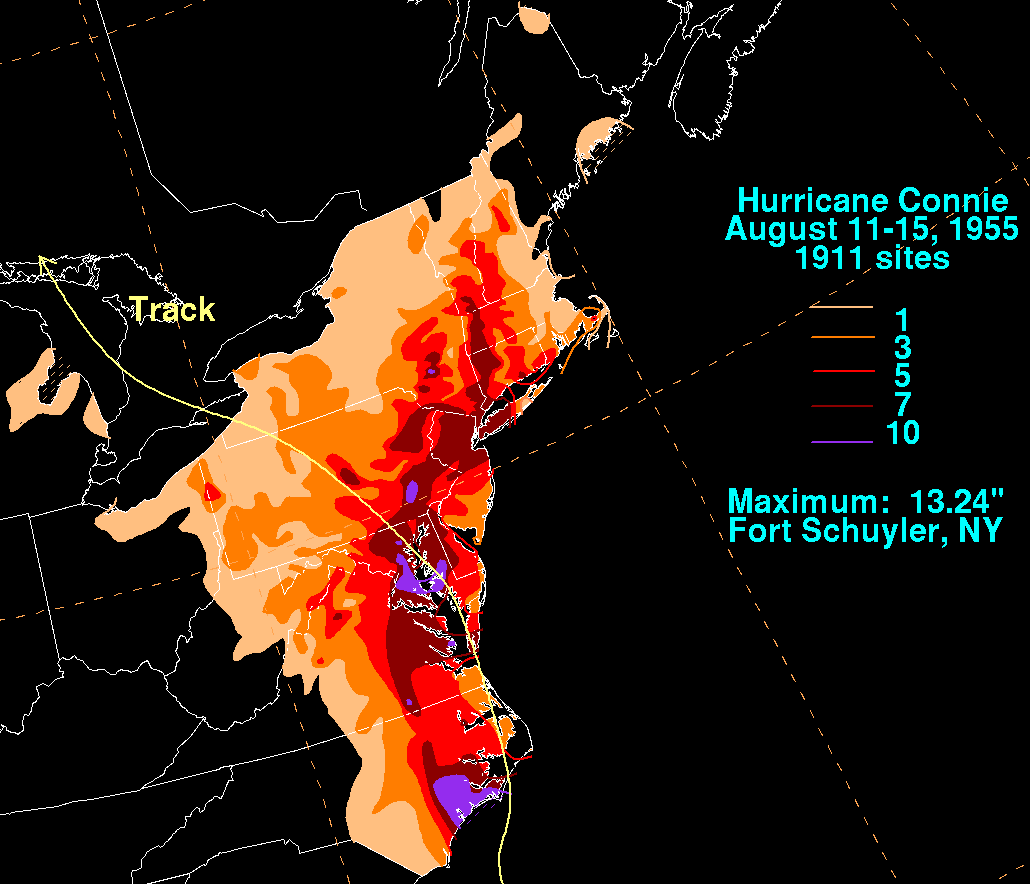
The storm caused a range of effects along its path. Coastal areas experienced beach erosion, damage to waterfront structures, and localized flooding from storm surge. Inland, heavy rain led to swollen rivers and flash flooding that damaged roads, bridges, and homes. Transportation and shipping were disrupted in affected ports, and power outages were reported as winds downed trees and lines.
- Coastal erosion and structural damage near shorelines
- Widespread heavy rainfall and river flooding in Mid-Atlantic states
- Disruption to shipping, road networks, and utilities
Aftermath and legacy
Connie arrived in a season that later produced additional storms which, together with Connie's rainfall, aggravated flooding and its consequences in some areas. Because of the storm's severity and the damage it caused, the name Connie was eventually retired from the rotating Atlantic list of hurricane names. Historical storm reports and post-storm analyses examine Connie as part of the broader 1955 season; readers can consult contemporaneous summaries and official reports for more detail at official storm archives.
Today Hurricane Connie is remembered in studies of mid-20th-century U.S. hurricanes for its role in coastal impacts and inland flooding, and for prompting improvements in forecasting, emergency response, and flood-risk awareness in affected regions.
Related articles
Author
AlegsaOnline.com Hurricane Connie (1955) Leandro Alegsa
URL: https://en.alegsaonline.com/art/45853