
Horse chestnut (Aesculus hippocastanum): description, uses, and distinctions
Large ornamental tree native to the Balkans, known for shiny conkers and toxic seeds; historically used in folk veterinary remedies. Widely planted; processed seed extracts are used medicinally under regulation.
Overview
The horse chestnut (Aesculus hippocastanum) is a large deciduous tree commonly planted for shade and ornament. It is often called the conker tree, buckeye or horse‑chestnut. Despite its common name, it is not closely related to the edible sweet chestnut; for information about that species see sweet chestnut. The horse chestnut is valued for its spring flowers and its distinctive palmately compound leaves; the term deciduous refers to trees that shed their leaves seasonally.
Image gallery
10 Images


Description
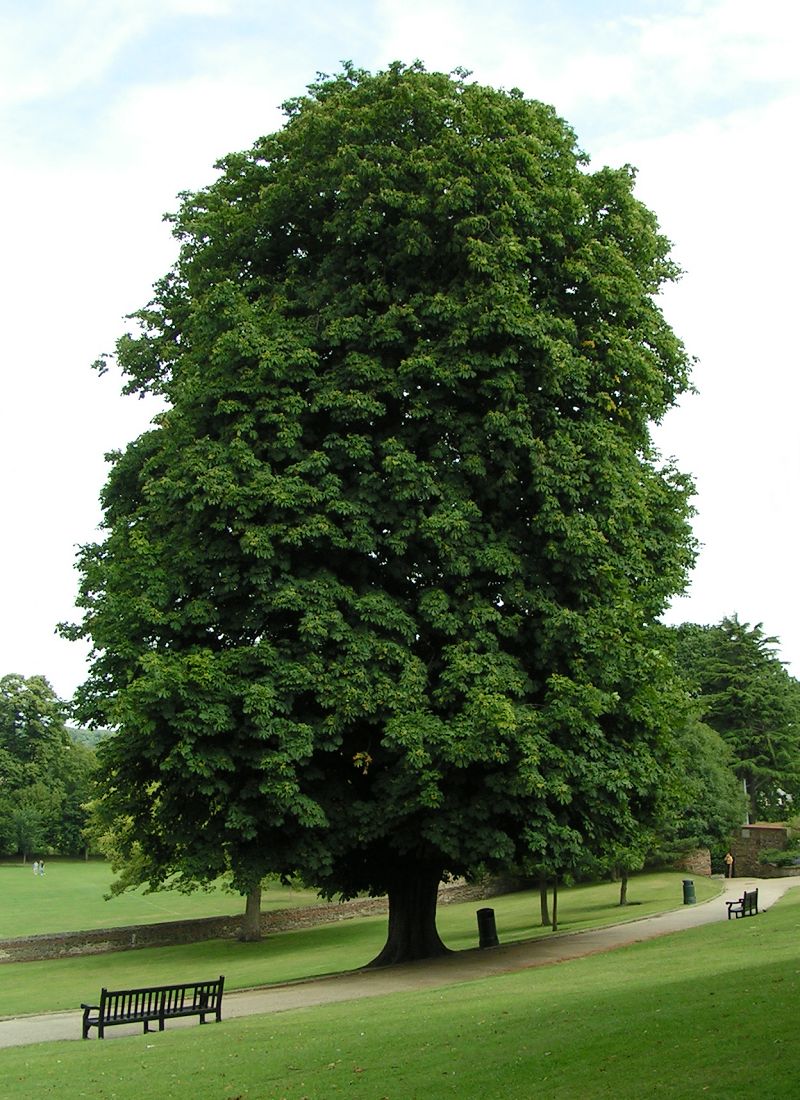
In favourable conditions a horse chestnut can reach large stature and broad canopy; tall specimens are often cited as reaching over 30 metres. Leaves are compound, typically with five to seven leaflets, producing a recognisable outline. In spring the tree bears erect clusters of white to pink-tinged flowers that attract pollinators. The fruit is a green, spiny capsule that splits when ripe to reveal one or more glossy brown seeds commonly called conkers or buckeyes.
Native range and classification
Aesculus hippocastanum is native to parts of southern Europe, especially the Balkan region. For broader context see regional summaries of southern Europe and the Balkans. The species belongs to the genus Aesculus, a small group of trees and shrubs native to temperate regions of the Northern Hemisphere with several related species sometimes also called buckeyes or horse chestnuts.
Reproduction and life cycle
Flowers are hermaphrodite and generally insect-pollinated; after pollination the spiky capsules develop and mature through summer, releasing the shiny seeds in autumn. Seeds may germinate readily in suitable conditions but established trees develop slowly and can live for many decades under good care. Seedlings and young trees prefer sheltered, moist sites with well-drained soil.
Uses and toxicity
Horse chestnut seeds are not edible for humans; they contain bitter compounds (often described historically as aescin or related glycosides) that can cause stomach upset and other symptoms if consumed raw. Traditional veterinary remedies used preparations from the tree to treat horses for a range of complaints, and historical texts record applications aimed at coughs, parasite control and other uses—see historical notes on use for horses, cough remedies and parasite worms. In modern phytotherapy, carefully processed and standardized seed extracts are used under regulation, for example in preparations intended to support venous circulation; such extracts differ from raw seeds and are used at defined doses.
Cultivation, pests and management
Horse chestnuts are widely planted in parks, large gardens and along avenues because of their showy flowers and shade. They prefer temperate climates and are tolerant of a range of soils if drainage is adequate. Non-native plantings can be vulnerable to pests and diseases; in parts of Europe and elsewhere problems such as leaf-mining insects and bacterial or fungal cankers have reduced tree vigour and led to increased management needs. Proper siting, watering during establishment and pruning of dead wood are common care recommendations; for practical guidance see tree care and horticulture sources at tree care references.
Cultural significance and uses
The shiny seeds have cultural roles: they are used in children's games such as "conkers" in the UK and appear as motifs in crafts. The wood is occasionally used for small woodworking projects but is not a major timber species. Because the seeds are conspicuous, they have been employed in folk medicine and veterinary practice, though modern advice cautions against using raw seeds as a substitute for regulated products.
Notes and further reading
- Identification: look for palmately divided leaves and spiky seed capsules in autumn.
- Toxicity: seeds are inedible; keep away from children and pets that may ingest them.
- Management: susceptible trees may require monitoring for pests and disease and professional advice for treatment.
- References: specialist horticultural guides and regional floras provide propagation and conservation details; see local sources and the linked references above for starting points.
This article provides a general encyclopedic overview. For detailed botanical descriptions, pharmacological data or local planting guidance consult specialist texts and regulated healthcare or veterinary sources indexed in the references above.
Related articles
Author
AlegsaOnline.com Horse chestnut (Aesculus hippocastanum): description, uses, and distinctions Leandro Alegsa
URL: https://en.alegsaonline.com/art/45157