
Houseplant (indoor plant care, uses, and selection)
An overview of houseplants—plants grown indoors for decoration and wellbeing—including their needs, common species, cultural history, practical uses, and care advice for low‑light or public spaces.
A houseplant is any plant cultivated primarily for display and enjoyment inside buildings. These can be as modest as a single pot on a windowsill or as elaborate as a planted corner in an office. Many people use houseplants as living decoration or to bring nature indoors; the term overlaps with decorative plant and commonly applies to plants kept in a house, workplace, shop, or public interior.
Image gallery
10 Images


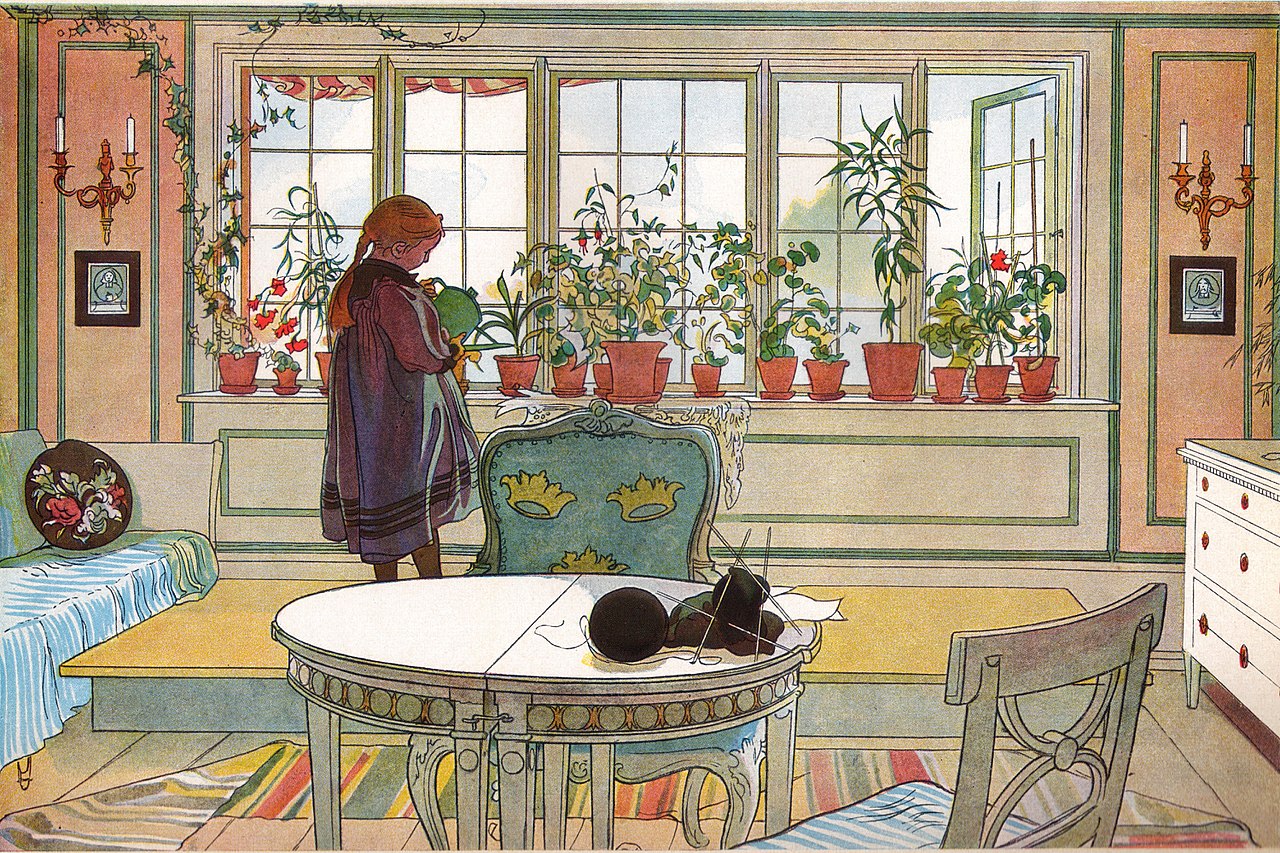




Characteristics and common needs
Indoor environments differ from outdoor gardens and from greenhouses: light levels are usually lower and directional, relative humidity is often reduced, temperature can fluctuate with heating and air conditioning, and airflow may be limited. Successful indoor cultivation focuses on matching a plant's needs to the conditions available. Key care factors include:
- Light: intensity and duration determine species suitability; some plants tolerate low light while others require bright indirect sun.
- Water and soil: frequency and volume depend on plant type, pot size, and potting mix drainage.
- Humidity and temperature: tropical species prefer higher humidity and stable warmth; succulents and cacti do not.
- Pests and cleanliness: dusting leaves, checking for insects, and occasional pruning keep plants healthy.
History and cultural role
People have brought plants indoors for centuries for food, scent and ornament. In many cultures, plants were displayed in courtyards and sheltered rooms; later, conservatories and parlours showcased exotic specimens brought from distant regions. The 19th century saw widespread popularity of glass‑covered terrariums and conservatories, and the practice of indoor gardening expanded with urban living and modern interior design trends.
Uses, benefits, and popular examples
Houseplants serve decorative, psychological, and sometimes practical functions. They soften interiors, add color and texture, and can improve perceived air quality and occupant wellbeing. Common and resilient species include snake plant (Sansevieria), pothos (Epipremnum), spider plant (Chlorophytum), philodendron, peace lily (Spathiphyllum), various ferns, ficus trees, and an array of succulents. Choice of plant depends on light, maintenance time, and aesthetic goals.
Practical advice and notable distinctions
When selecting plants for offices or public spaces—where light and humidity are often poor—pick hardy, low‑maintenance species. Use well‑draining pots, a suitable potting mix, and avoid overwatering. Propagation by cuttings and division is a common, low‑cost way to expand a collection. Be aware that many popular houseplants are toxic to pets or children if ingested; always check safety information before placement.
Indoor gardening can range from simple, low‑care accents to elaborate living displays. Understanding a plant's natural habitat and matching it to interior conditions is the most reliable way to keep houseplants thriving, whether in a modest home or a busy commercial setting.
Related articles
Author
AlegsaOnline.com Houseplant (indoor plant care, uses, and selection) Leandro Alegsa
URL: https://en.alegsaonline.com/art/45360