
Cough: causes, types, diagnosis and management
An accessible overview of cough: how it works, common causes, types (acute, subacute, chronic), evaluation, treatments and when to seek medical care.
Overview
A cough is a reflex action that clears the airways of mucus, irritants or foreign material. It is produced when sensory receptors in the nose, throat or lower airways send signals through sensory nerves to the brainstem, which coordinates a sudden forceful expiration. This reflex ejects air and particles in a rapid burst — a process sometimes described as the forceful expulsion of air from the lungs. Coughing is usually beneficial, but persistent or severe coughs can signal underlying disease.
Image gallery
3 Images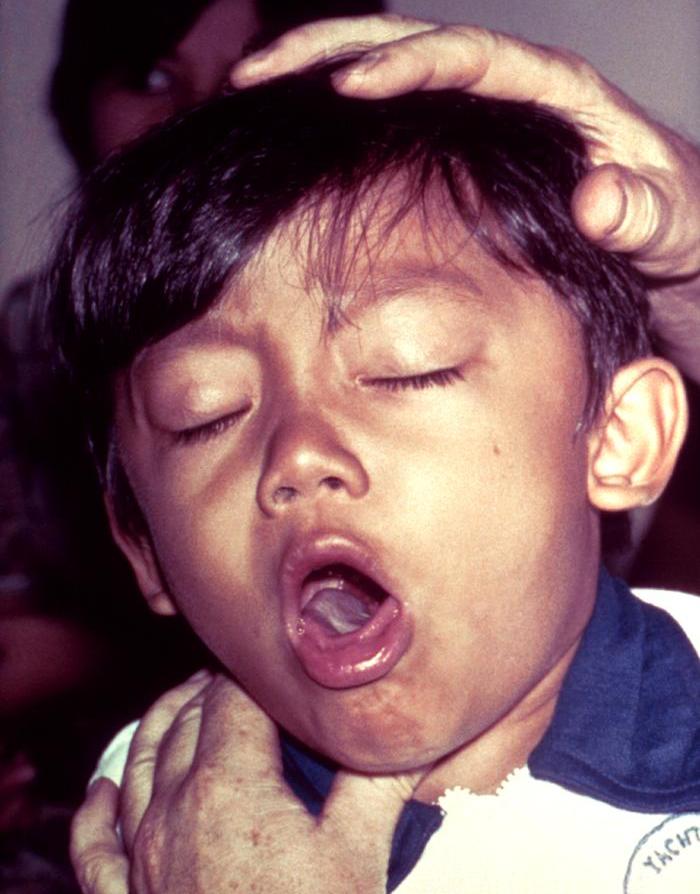


Types and characteristics
Coughs are often described as "dry" (non-productive) or "productive" (bringing up sputum). Clinically, they are also classified by duration: acute (less than three weeks), subacute (three to eight weeks) and chronic (longer than eight weeks). The sound, timing (day or night), triggers and associated symptoms such as fever, breathlessness, voice change or weight loss help narrow possible causes.
Common causes
Many conditions can provoke coughing. Common triggers include:
- Respiratory infections (viral colds, bronchitis, pneumonia).
- Airway irritation from environmental pollutants such as dust or smoke.
- Chronic airway diseases like asthma or chronic obstructive pulmonary disease (COPD).
- Postnasal drip, gastroesophageal reflux disease (GERD), and certain medications (for example, ACE inhibitors).
Evaluation and management
Assessment begins with a medical history and physical examination. Tests may include chest imaging, spirometry, throat or sputum cultures and, when indicated, bronchoscopy. Treatment targets the underlying cause: antibiotics for bacterial infections, inhaled bronchodilators or corticosteroids for asthma, proton-pump inhibitors for reflux-related cough, and stopping offending medicines. Symptomatic options include expectorants to loosen mucus and antitussives to suppress troublesome dry coughs; these are used judiciously because suppressing a productive cough can impair clearance of secretions.
When to seek care and important considerations
Seek prompt medical attention for high fever, difficulty breathing, coughing blood, sudden chest pain or a cough lasting more than eight weeks. Persistent cough can spread respiratory infections and, in rare cases, cause complications such as rib strain, fainting episodes or sleep disruption. Preventive measures include smoking cessation, vaccination against influenza and pneumonia when appropriate, and reducing exposure to airborne irritants.
Notable facts: Cough is both a protective reflex and a common symptom across many disorders; careful evaluation helps distinguish harmless short-lived coughs from signs of significant disease.
Related articles
Author
AlegsaOnline.com Cough: causes, types, diagnosis and management Leandro Alegsa
URL: https://en.alegsaonline.com/art/23412
Sources
- mayoclinic.org : "Lung cancer - Symptoms and causes"
- mayoclinic.org : "Influenza (flu) - Symptoms and causes"
- stopsarcoidosis.org : stopsarcoidosis.org/sarcoidosis/symptoms.htm