
Worms: diversity, biology, and relationships with humans
A general overview of worms: their body plans, major groups, ecological roles, medical importance, and common non-worm uses and misconceptions.
Overview
Worm is a general, informal term for many elongated, soft-bodied invertebrates that lack limbs and a vertebral column. The word groups together organisms with a similar body shape rather than a single biological lineage. Worms occur in marine, freshwater and terrestrial environments and range from microscopic species to exceptionally long examples such as the bootlace worm. Familiar animals described as worms include the common earthworm, parasitic tapeworms and many insect larvae commonly called worms.
Image gallery
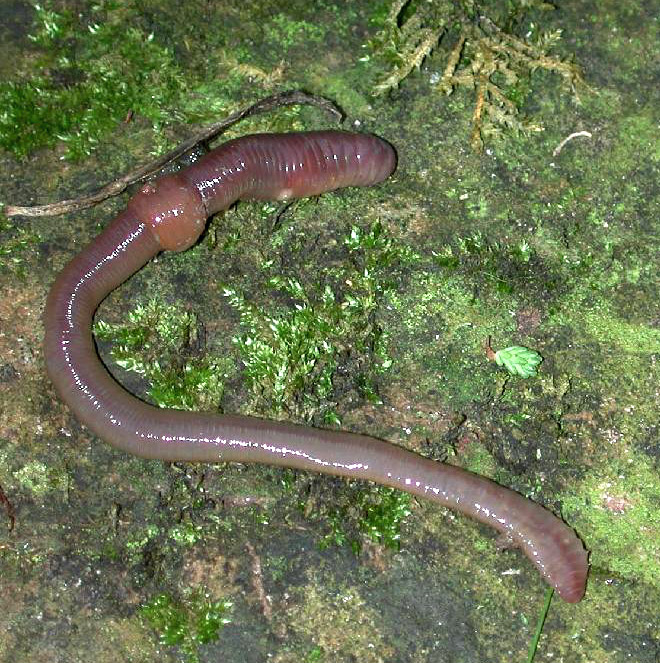
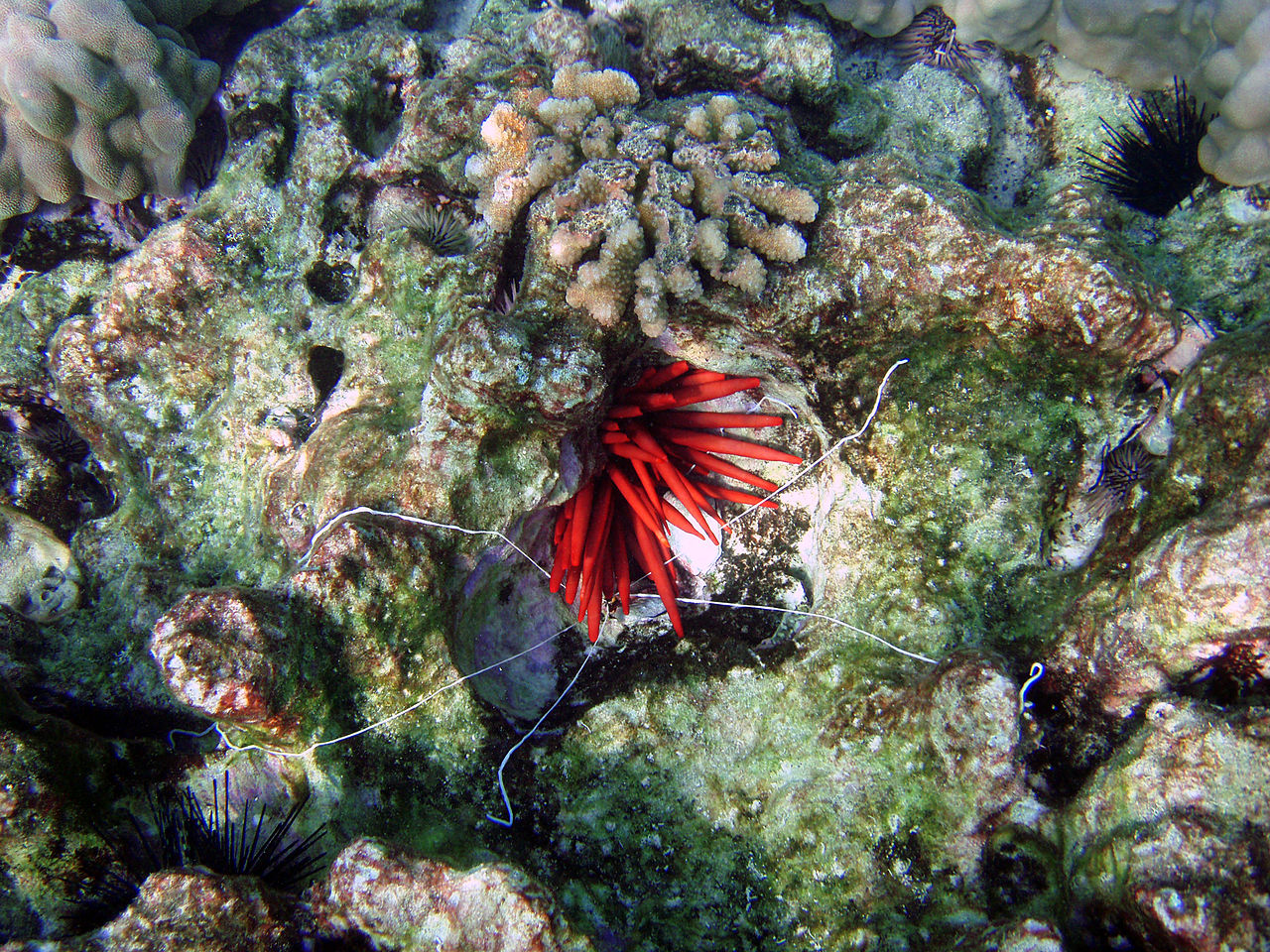
6 Images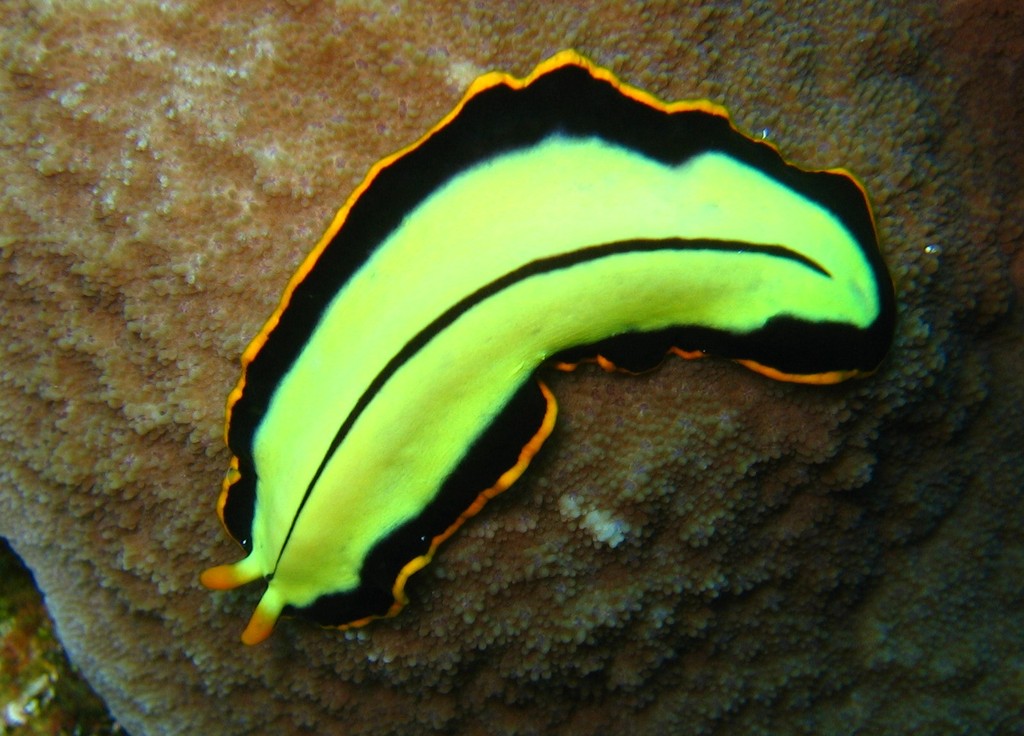



Anatomy and diversity
Despite the superficial similarity of being long and limbless, animals called worms show wide anatomical differences. Some, like annelids, have bodies divided into repeating segments with nerve cords and circulatory systems; others, such as many flatworms, are dorsoventrally flattened and lack a specialized respiratory system. Nematodes (roundworms) are cylindrical and have a complete digestive tract with separate mouth and anus. Many worms are free-living detritivores or predators; others are parasitic and spend part or all of their life cycle inside other animals or plants.
Major groups often called "worms"
- Platyhelminthes: flatworms, flukes and tapeworms (flatworms), often with simple sensory organs; includes many parasitic species (parasites).
- Nematoda: roundworms, threadworms and hookworms; a diverse phylum of largely microscopic to small macroscopic species (roundworms).
- Annelida: segmented worms such as earthworms and marine bristle worms (bristle worms), recognized by external rings and internal segmentation.
- Other groups and informal usages: ribbon worms, arrow worms and priapulid worms, and many insect larvae that are colloquially called worms (see examples).
Examples and human interactions
Many organisms commonly labeled worms are important in agriculture, medicine, and industry. Composting and soil structure benefit from earthworms. Silkworms (silkworm) are cultivated for silk, and some larvae labeled as worms—mealworms, inchworms (inchworm), glowworms and others—appear in cuisine, research or pest contexts. Aquatic and terrestrial ecosystems include species such as the bloodworm used as fish food.
Parasitism, health and terminology
In medical contexts the term helminth refers to parasitic worms, particularly certain nematodes and cestodes (tapeworms) and is the focus of helminthology. When pets such as a dog or livestock like a horse are diagnosed as "having worms," common culprits include roundworms and tapeworms. Deworming treatments use anthelmintic drugs to remove these parasites. Note that some names are misleading: ringworm is a fungal skin infection, not a worm.
Classification and naming
Because "worm" is a convenience term rather than a taxonomic rank, it applies across several phyla and does not imply close evolutionary relatedness. Scientists refer to specific phyla or classes when precision is needed (several phyla), and common names may overlap with insect larvae or other unrelated forms. Studying worms therefore involves multiple disciplines, from ecology and soil science to parasitology and veterinary medicine.
Related articles
Author
AlegsaOnline.com Worms: diversity, biology, and relationships with humans Leandro Alegsa
URL: https://en.alegsaonline.com/art/109140