
Ho-Chunk (Winnebago): people, language, history, and modern nations
Overview of the Ho-Chunk (Winnebago) people: their Siouan language, historic homeland in Wisconsin, 19th‑century removals, two federally recognized tribes, economic development and cultural revival.
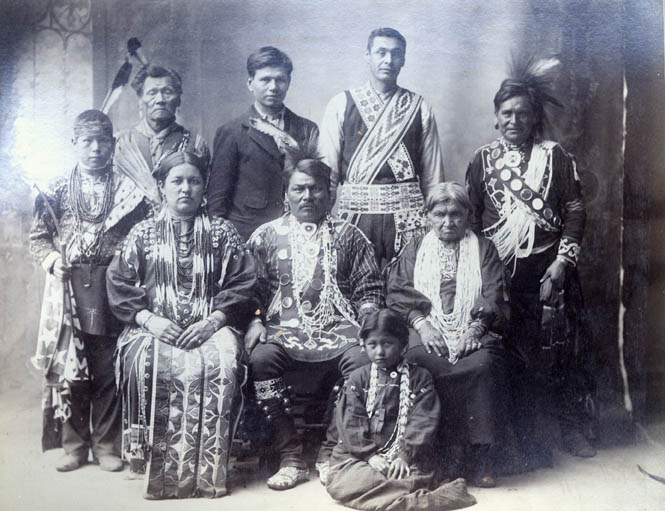
Overview: The Ho-Chunk, also known historically as the Winnebago, are an Indigenous people of the North American Plains and Great Lakes region. They traditionally speak Hocąk (Ho-Chunk), a Siouan language, and their ancestral homeland lies largely within present‑day Wisconsin. In the 19th century many Ho‑Chunk communities were subject to forced removal and relocation to lands in Nebraska, Minnesota, Iowa and South Dakota, though some families remained or later returned to Wisconsin. Today the Ho‑Chunk are organized into two federally recognized tribal governments: the Ho‑Chunk Nation of Wisconsin and the Winnebago Tribe of Nebraska.
Image gallery
10 Images





Language and identity
The name Ho‑Chunk (autonym often written Hocąk) identifies both the people and their language; it is sometimes translated in English as "people of the big voice" or rendered more generally as "the people." Hocąk belongs to the Chiwere branch of the Siouan language family and is distinct but related to languages once spoken by neighboring tribes. In recent decades tribal programs, schools and community projects have emphasized language revitalization. These efforts include formal classes, immersion initiatives and digital tools such as a Hocąk mobile app developed for smartphones and tablets.
Traditional lifeways and culture
Historically the Ho‑Chunk economy combined agriculture, hunting, fishing and gathering. Corn, beans and squash were central crops, supplemented by wild foods and seasonal hunting. Social life was organized around kinship groups and clan-like associations that structured marriage, cooperation and ceremonial responsibilities. Ceremonial life, storytelling, craftwork and oral history all played important roles in transmitting cultural knowledge. Material culture included wooden bowls, woven items and tools appropriate to a mixed agricultural and hunting economy.
19th‑century removals and tribal reorganization
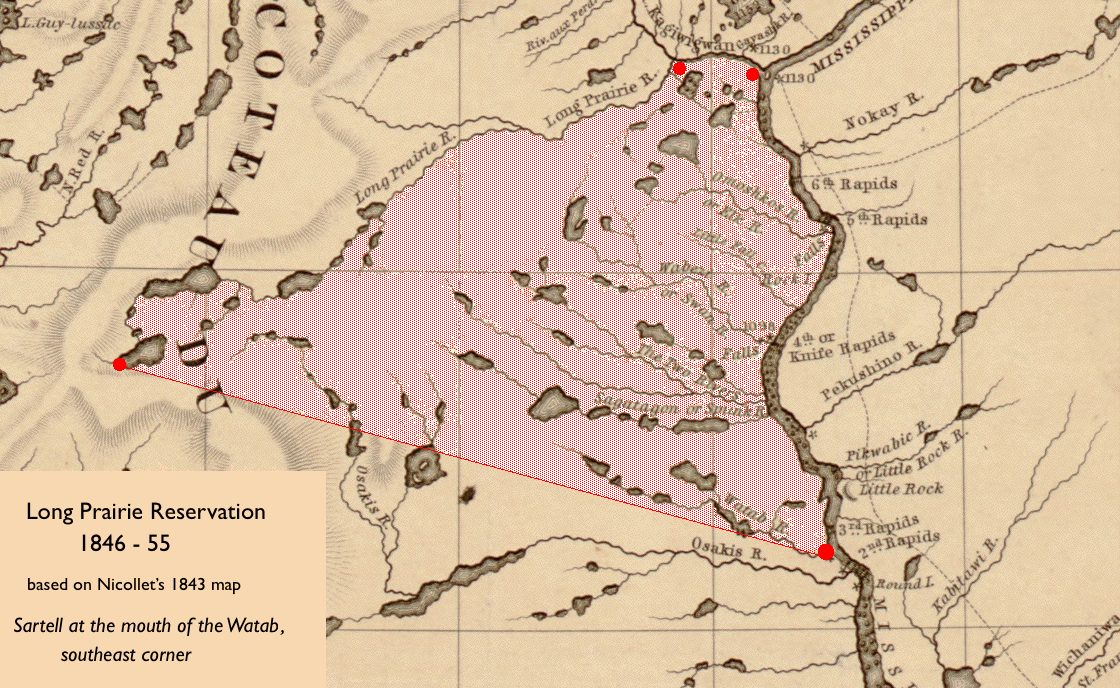
During the 19th century the Ho‑Chunk were affected by U.S. treaty-making, land cessions and policies of Indian removal. Groups were moved to reservations in several states and some communities were fragmented. Over time, people adapted by forming new political institutions, negotiating relationships with federal and state governments, and in many cases returning to lands in Wisconsin. These historical disruptions influenced contemporary patterns of enrollment, land holdings and governance for both the Wisconsin and Nebraska tribal entities.
Modern governance, economy and cultural revival
Both federally recognized Ho‑Chunk governments operate tribal services, cultural programs and economic enterprises. Beginning in the late 20th century tribal gaming and related businesses became important sources of revenue used to support health care, education, housing and cultural revitalization. Tribes also pursue language programs, historical research, and efforts to protect sacred sites and cultural resources. Sovereignty, self‑determination and the promotion of traditional knowledge remain central goals for community leaders and members.
Notable distinctions and contemporary relevance
- The two federally recognized entities are the Ho‑Chunk Nation of Wisconsin and the Winnebago Tribe of Nebraska.
- Hocąk language preservation is an active community priority, including classroom instruction and technology‑based resources.
- Economic diversification—often including gaming—has funded social services and cultural projects, though tribes also pursue other enterprises and partnerships.
- Ho‑Chunk history illustrates broader themes in U.S. Indigenous history: displacement, adaptation, legal negotiation and cultural resilience.
For more information and primary resources, see links on language, tribal government, history and contemporary initiatives:
- Ho‑Chunk language overview
- Winnebago / Ho‑Chunk identity and names
- Siouan language family context
- Historic homeland and geography
- Wisconsin regional history
- 19th‑century context
- Reservation histories
- Nebraska relocation sites
- Minnesota connections
- Iowa relationships
- South Dakota relocation
- Federal recognition and law
- Tribal recognition details
- Late 20th‑century developments
- Gambling and economic development
- Tribal enterprises and services
- Language revitalization programs
- Hocąk language mobile app
- Technology and cultural tools
Related articles
Author
AlegsaOnline.com Ho-Chunk (Winnebago): people, language, history, and modern nations Leandro Alegsa
URL: https://en.alegsaonline.com/art/44587
Sources
- download.cnet.com : "Ho-Chunk (Hoock) Native American Language"