
Federal government of the United States
Overview of the U.S. federal government: its constitutional structure, the three branches, checks and balances, historical origins, functions, and relationship with the states.
The federal government of the United States is the national authority created by the U.S. Constitution to exercise powers that affect the country as a whole. Those powers are organized among three separate branches—legislative, executive, and judicial—to prevent concentration of authority and to promote rule of law. The Constitution defines the structure, assigns responsibilities, and provides procedures for amending the system. For a concise reference on the tripartite organization, see three branches overview. The system also reflects concerns of the framers, often called the Founding Fathers, who reacted against abuses they associated with the colonial British government and a single monarch or king.
Image gallery
10 Images

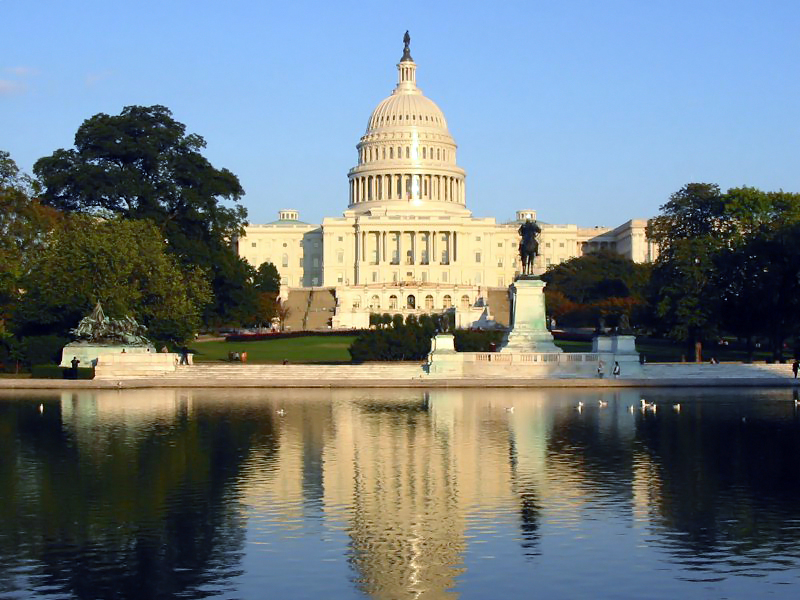
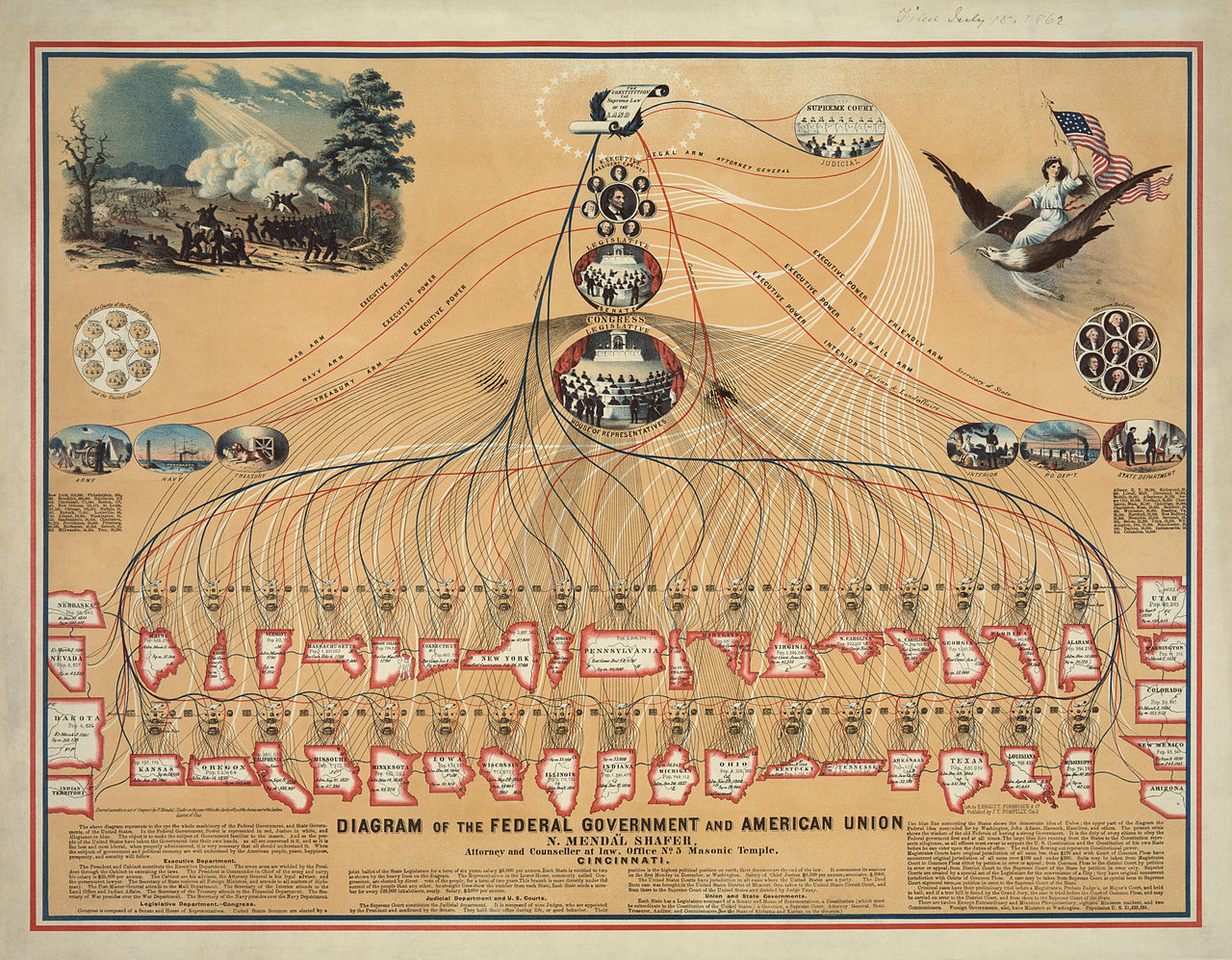


Basic structure and purpose
The federal government exists to perform functions that individual states cannot manage as effectively alone: maintaining national defense, regulating interstate and international commerce, coining money, and conducting foreign policy, among others. It also enforces national laws and protects constitutional rights. The Constitution separates powers so each major body can check the others and so that no one branch becomes dominant.
Branches and principal roles
- Legislative branch: The Congress is responsible for making federal law, raising revenue, declaring war, and overseeing the executive; see legislative functions.
- Executive branch: Headed by the President, it enforces laws, leads foreign and military policy, and administers federal programs and agencies; see executive functions.
- Judicial branch: The federal courts interpret the Constitution and laws, resolve disputes under federal law, and review government actions for legality; see judicial authority.
How the branches interact
Checks and balances are built into the system so that each branch constrains the others. Congress can pass legislation and, in many cases, override presidential vetoes; the President can veto bills and nominate judges and officials; the judiciary can declare laws or executive acts unconstitutional. Impeachment, confirmation, and judicial review are among the formal mechanisms that maintain balance. Examples of these interactions are commonly discussed in civic education and constitutional law resources.
Historical context and development
The federal government emerged from debates during and after the Revolution. The first national charter, the Articles of Confederation, left most power with the states and proved ineffective for managing national concerns. At the Constitutional Convention delegates crafted a stronger federal framework that still limited authority through separation of powers and popular representation. Over time, constitutional amendment, landmark court decisions, congressional legislation, and changing practice (including the growth of federal agencies) have shaped modern federal government operations.
Everyday functions and significance
In practice the federal government sets national policies on defense, currency, interstate commerce, immigration, and environmental standards; administers social programs; and supports infrastructure and scientific research. Its actions affect daily life through laws, regulations, and services. The relationship between federal and state governments, known as federalism, allocates many responsibilities to states while preserving national authority for matters that cross state lines or are essential to the nation's uniformity.
Notable distinctions and adaptability
Several features distinguish the federal system: a written constitution that can be amended, a bicameral legislature with different methods of representation, an independent judiciary with the power of review, and a chief executive elected separately from the legislature. The Constitution’s amendment process permits change without replacing the system, and political practice adapts institutions to new challenges. For summary discussions and teaching materials that explain these points, consult resources on constitutional structure and history.
For further study, many introductory guides and legal primers explain the specifics of lawmaking, appointment and confirmation procedures, the role of federal agencies, and the interplay between federal and state governments; see general references on the branches and the framers: overview, legislature, executive, judiciary, Founders, historical context, monarchy contrast.
Questions and answers
Q: What are the three branches of the federal government?
A: The three branches of the federal government are the legislature, executive, and judiciary.
Q: Why did the Founding Fathers create a system of checks and balances?
A: The Founding Fathers created a system of checks and balances to ensure that no one branch would become too powerful and out of control. They wanted to prevent any single person from having complete power like a king, as was seen in colonial British government.
Q: How is power divided among the three branches?
A: Power is divided among the three branches by each having their own roles and responsibilities. Each branch has ways to balance out or check on another branch if it gets too powerful.
Q: What document established these three branches?
A: The United States Constitution established these three branches.
Q: What problem did the Founding Fathers want to avoid when they wrote the Constitution?
A: The Founding Fathers wanted to avoid any single person having complete power like a king, as was seen in colonial British government when they wrote the Constitution.
Q: How does each branch have control over another branch's power?
A: Each branch has ways of balancing out or checking on another branch if it gets too powerful, such as vetoing legislation or impeaching officials. This allows them to maintain control over another's power so that no one part becomes too powerful or out of control.
Related articles
Author
AlegsaOnline.com Federal government of the United States Leandro Alegsa
URL: https://en.alegsaonline.com/art/33839
Sources
- britannica.com : "Checks and Balances: Political Science"
- whitehouse.gov : "The Executive Branch"
- whitehouse.gov : "The Judicial Branch"
- whitehouse.gov : "The Legislative Branch"
- whitehouse.gov : "State and Local Government"