
Gambling: Definition, History, Types, and Social Impact
Gambling is staking money or valuables on an uncertain outcome. This article explains its forms, mechanics, history, regulation, social effects, and guidance for responsible play.
Overview
Gambling is the act of risking something of value on an event whose outcome is uncertain, expecting to win additional value if the outcome goes in one’s favor. Core elements include a wager (stake), an agreed method for determining the result, and chance or skill that creates uncertainty. While money is the most common stake, bets can also use goods, services, or virtual credits. A typical wager involves money: placing money on an outcome.
Image gallery
10 Images


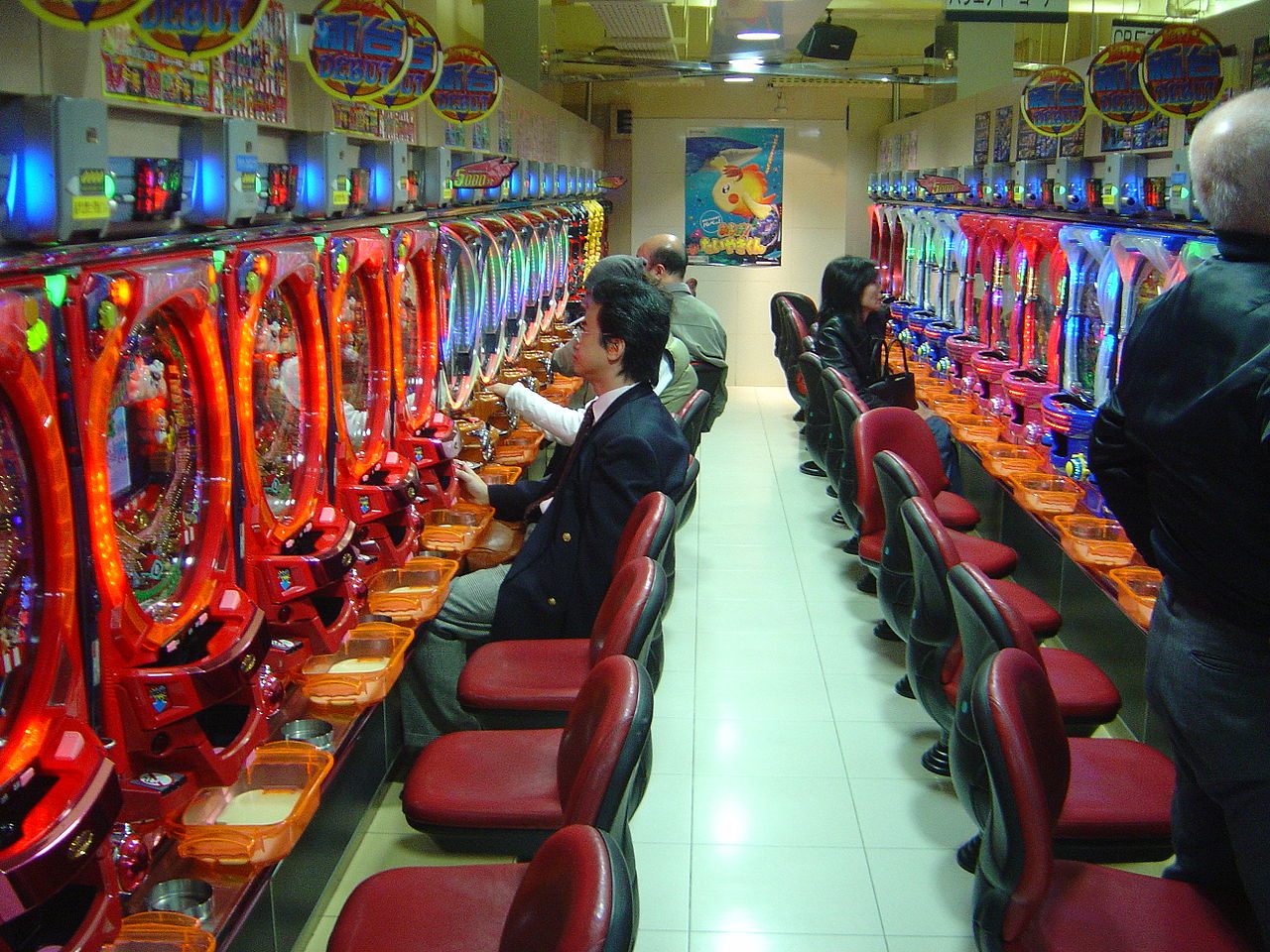


Characteristics and mechanics
Games and bets differ in how much skill, information, or randomness influences outcomes. Organizers or providers often set odds and payouts that create a long-term advantage (the "house edge") but individual returns can vary widely. Important concepts include odds, probability, expected value, bankroll management and, for some games, strategic decision-making.
Common forms
- Casino games: slots, roulette, blackjack, baccarat, and table games.
- Sports betting and horse racing, including fixed-odds and pari-mutuel formats.
- Lotteries, raffles and instant-win tickets.
- Card games like poker, where skill and bluffing play major roles.
- Online and mobile gambling platforms and betting exchanges.
History and development
Betting has ancient roots: archaeological and historical evidence shows games of chance in many early societies. Lotteries and betting became formalized in later centuries, and organized venues such as casinos emerged in Europe. In the late 20th and early 21st centuries the internet transformed access to gambling, creating new products, markets and regulatory challenges.
Regulation, impacts and responsible play
Legal frameworks vary globally: some jurisdictions tightly restrict or ban gambling, others permit and tax it with licensing, consumer protections and problem-gambling services. Gambling can generate revenue and employment but also carries social costs including addiction, financial harm and related crimes. Responsible gambling measures—age limits, self-exclusion, deposit limits and access to support—aim to reduce harms.
Distinctions and notable facts
Gambling differs from investing in intent and risk structure: gambling typically involves a short-term, zero-sum contest with unknown odds, while investing expects long-term returns informed by analysis. Notable points include the rise of skill-based betting formats and the persistent policy debates about advertising, technology and public health.
Questions and answers
Q: What is gambling?
A: Gambling is a contest where a player bets on the result of an event.
Q: What form does the bet usually take?
A: The bet is generally in the form of money.
Q: How are the rules and amount of money determined?
A: The rules and the amount of money bet have to be decided on before the event happens.
Q: Is there any other way to gamble besides betting with money?
A: Yes, some forms of gambling involve betting with items or services instead of money.
Q: Who can participate in gambling?
A: Generally anyone who meets certain age requirements can participate in gambling activities.
Q: Are there any risks associated with gambling?
A: Yes, there are risks associated with gambling such as financial losses and potential addiction issues.
Q: Is it possible to win money through gambling?
A: Yes, it is possible to win money through gambling if you make wise decisions and follow responsible gaming practices.
Related articles
Author
AlegsaOnline.com Gambling: Definition, History, Types, and Social Impact Leandro Alegsa
URL: https://en.alegsaonline.com/art/37369
Sources
- problemgambling.ca : "The Effects of Gambling"
- gamblerock.com : "Inside the Brain of a Gambling Addict"
- gamblingcommission.gov.uk : "Gambling Commission"
- casinobonusesfinder.co.nz : "Casino New Zealand"