
Hobo (itinerant worker and migrant laborer)
An itinerant worker who travels to find short-term employment and shelter, historically associated with freight-train travel and notable during the U.S. Great Depression.
A hobo is traditionally understood as an itinerant worker: a person who moves from place to place in search of temporary or seasonal employment rather than remaining permanently homeless or settled. The term has been used in English-language contexts to describe people who travel to different towns and cities to look for work, carry tools and experience suited to casual labor, and adopt a mobile lifestyle that blends independence with economic vulnerability. The word is associated with a distinct set of traveling practices and social customs.
Image gallery
5 Images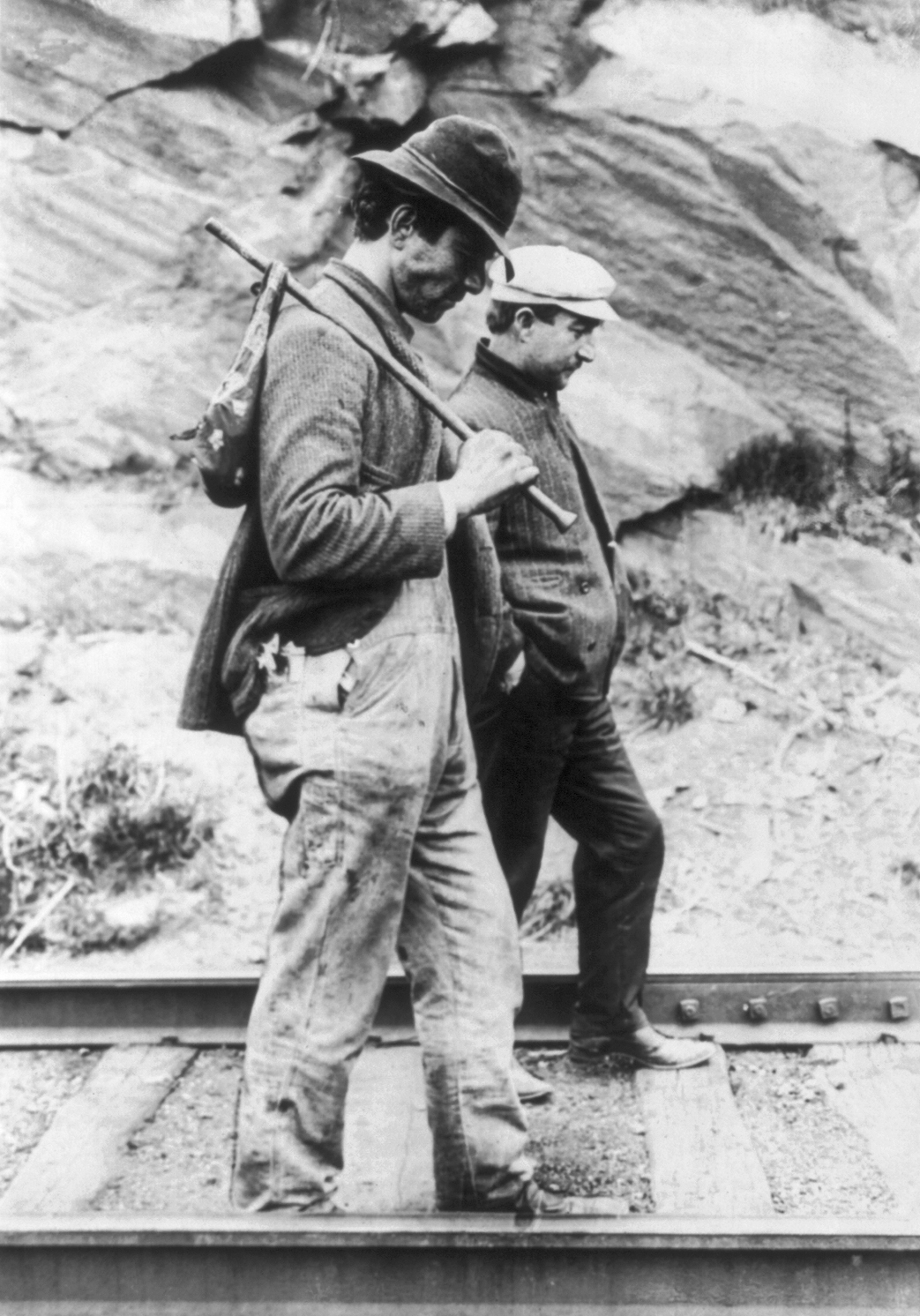


Mobility and travel methods
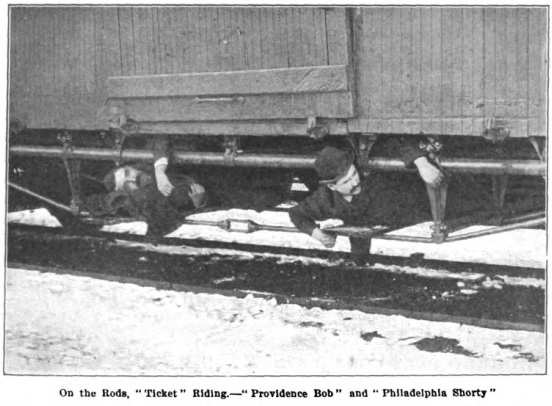
Mobility is central to the hobo identity. Classic images show hobos moving long distances by freight train, a practice often called train hopping, which involves boarding empty cars without a ticket. A more hazardous method historically noted is the so-called "riding the rods," a risky practice of riding beneath cars close to wheels. These methods reflect limited resources and the need to reach work opportunities spread across wide geographic areas.
Accommodation and daily life
Hobos have used a variety of temporary places to sleep and eat. Some stay in very inexpensive lodging known as cheap hotels in towns, while others camp in improvised sites near rail yards. Simple makeshift housing or communal dwellings—often called shelters or shanties—provided basic protection in many places. These arrangements were practical responses to unstable work and scarce income rather than deliberate homelessness; some hobos maintained a work-first ethic, traveling expressly to obtain wages.
History and social context
The phenomenon of itinerant labor has deep roots, but hobos became especially visible in the early 20th century and during the 1930s. During the Great Depression, a sharp rise in unemployment and home loss in the United States led many people to travel in search of jobs. Shanty towns that grew up around urban edges and rail yards were often derisively labeled Hoovervilles, a name referencing the contemporary President Herbert Hoover. These communities and the itinerant workers associated with them left a strong impression on national culture and policy debates about relief and labor.
Characteristics and culture
- Work orientation: Many hobos prioritized finding work, distinguishing themselves from people who avoided employment.
- Informal networks: Hobos often relied on mutual aid, sharing information about available jobs, shelters, and safe routes.
- Symbols and ethics: Oral traditions, stories, and a loose set of practical signs—sometimes called the "hobo code"—helped convey warnings or hospitality to fellow travelers.
Distinctions and modern perspective
In common usage, "hobo" is sometimes conflated with "tramp" or "vagrant," but those terms imply different orientations: a tramp may travel but avoid steady work, while a vagrant is often described principally by the condition of homelessness. Contemporary scholars and social workers emphasize economic causes—job loss, housing shortages, and migration patterns—rather than moral judgments.
Legacy and representation
Hobos appear in songs, literature, photography, and folklore, where they are variously portrayed as resourceful wanderers, victims of economic upheaval, or romanticized travelers. Legal restrictions, railway safety campaigns, and changing labor markets have reduced traditional hobo practices, yet the historical figure remains a useful lens for studying migration, informal labor, and responses to economic crisis.
For further reading and historical materials, see resources linked in this article: definition and social context, migration and travel practices, lodging options such as cheap hotels and camp sites, common shelters and shanties, the Great Depression in the United States, and contemporaneous politics including presidential responses and the association with Herbert Hoover and Hoovervilles.
Related articles
Author
AlegsaOnline.com Hobo (itinerant worker and migrant laborer) Leandro Alegsa
URL: https://en.alegsaonline.com/art/44599