
Holocaust victims: groups, causes of death, and historical significance
Overview of who the Holocaust victims were, how and why they were targeted, methods of killing, national and social origins, and why remembrance and study remain essential.
Overview
The term "Holocaust victims" refers to the people who were persecuted and killed under Nazi rule and its collaborators between 1933 and 1945. Most widely cited is the figure of about six million Jewish victims, together with millions of non-Jewish victims targeted for racial, political, social or ideological reasons. Victims came from many countries, ethnicities, religions, and social groups across Europe.
Image gallery
10 Images




Who was targeted
The Nazi regime and its allies singled out groups it considered undesirable or dangerous. These included Jews; Sinti and Roma (often referred to collectively as Roma); political opponents and resistance members; people with disabilities killed under involuntary euthanasia programs; Soviet prisoners of war and civilian populations; Jehovah's Witnesses; homosexual men; and many others persecuted for ethnicity, religion, or opposition to Nazi rule. The population of victims overlapped with civilians caught in occupation policies and with populations decimated by wartime reprisals.
How victims died
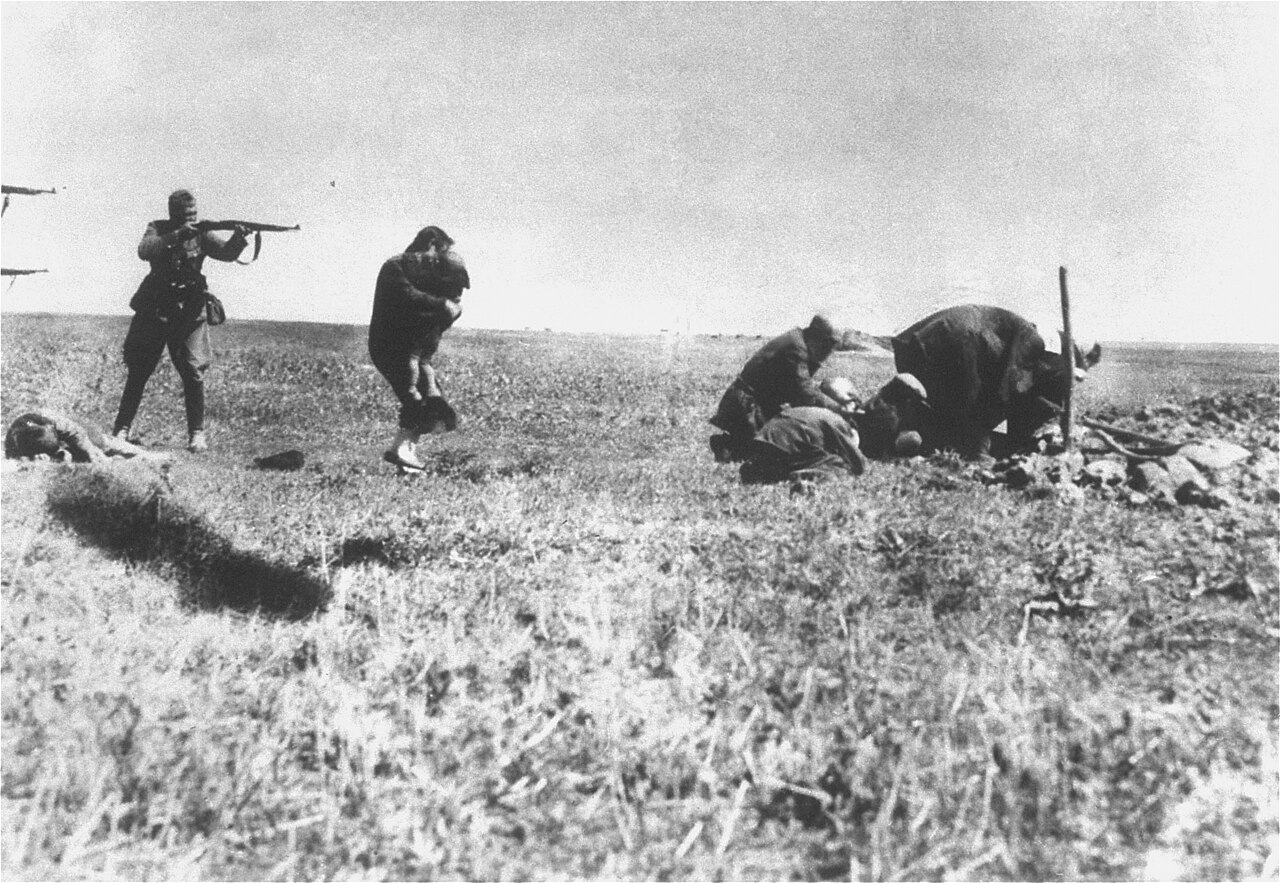
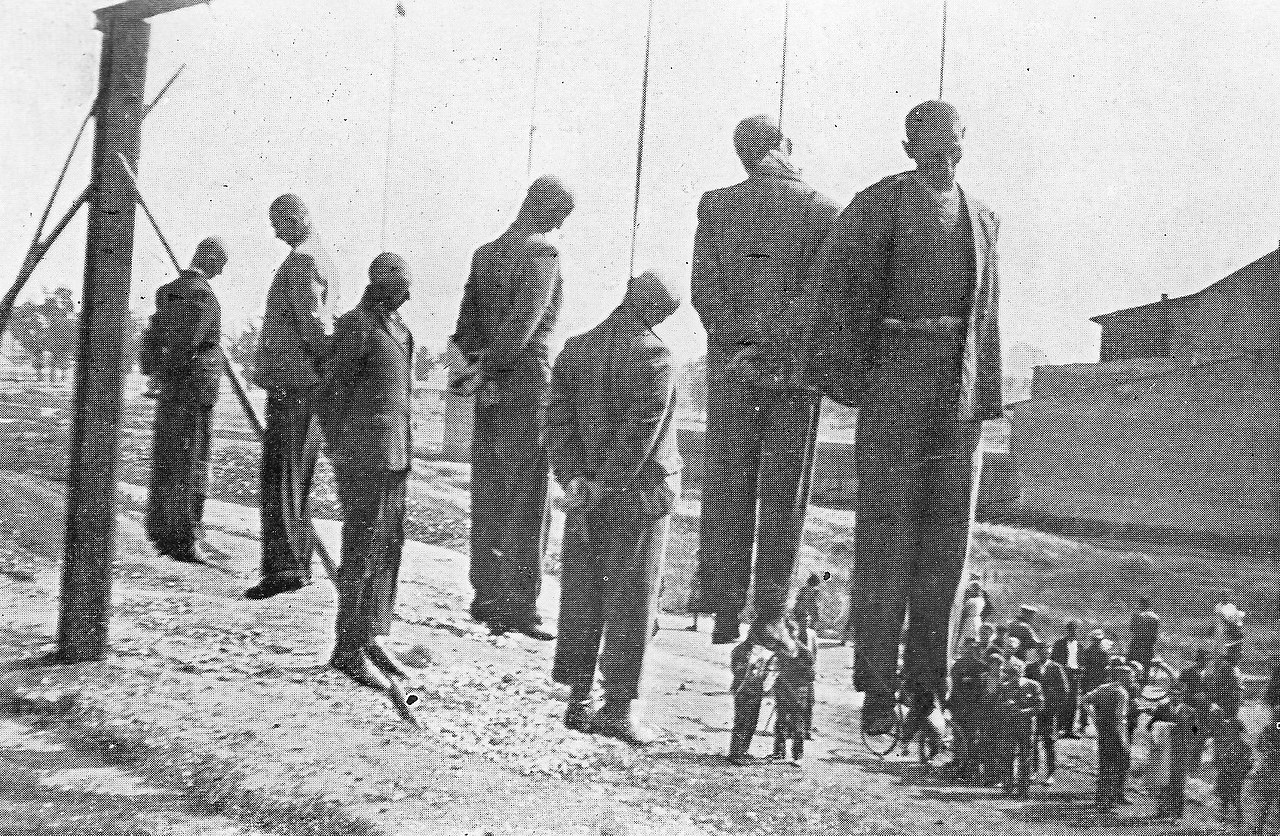
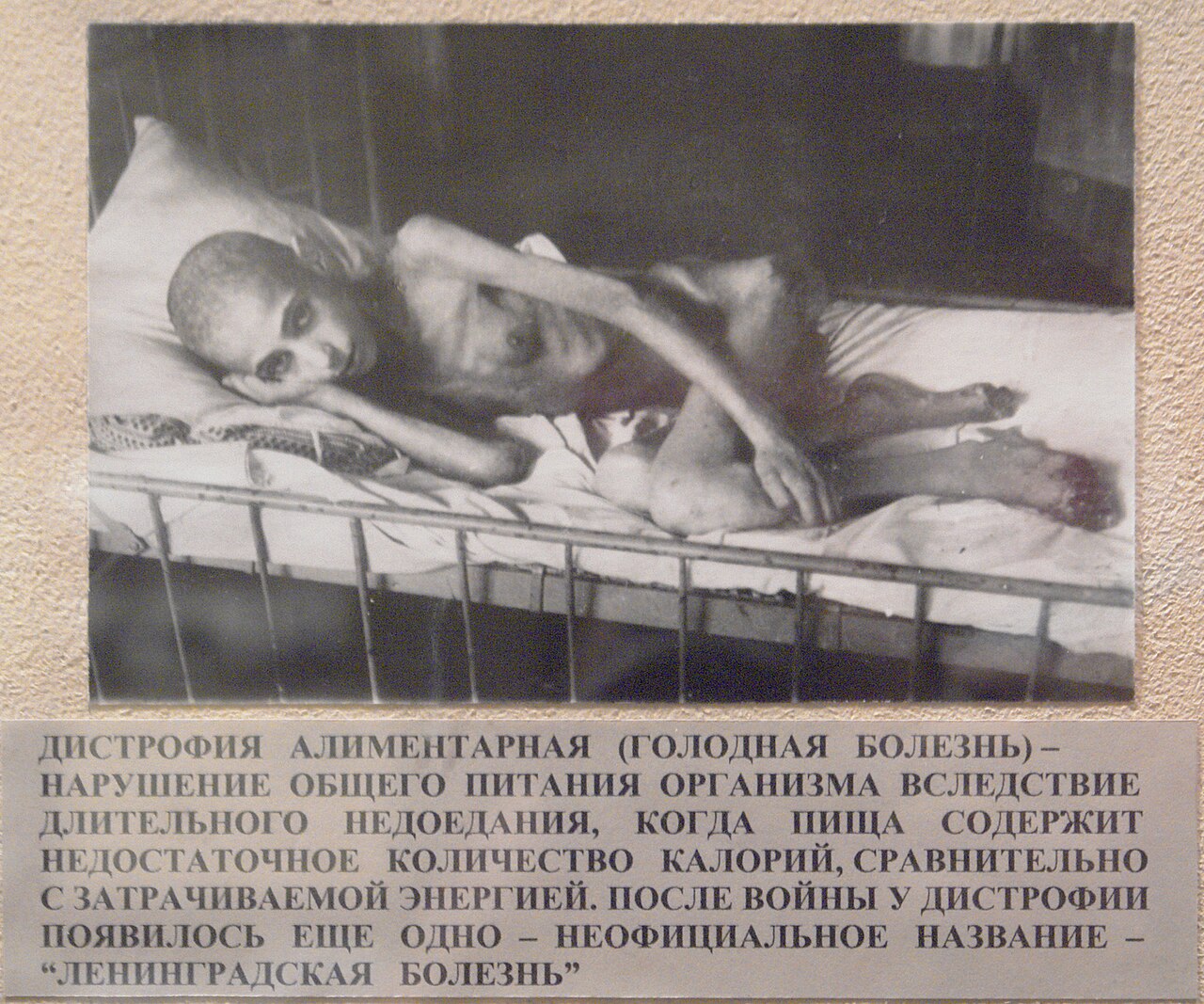
Deaths occurred by several methods. Mass shootings by mobile killing units, systematic murder in extermination camps equipped with gas chambers, and the brutal conditions of concentration camps and forced labor camps accounted for a large share of deaths. Ghettos, where Jews and others were confined, saw many die from starvation, disease, and exposure. Death marches and executions in occupied territories added to the toll. Some were killed in state-organized medical programs or by local collaborators carrying out occupation policies.
Scale and variation in estimates
Estimates vary by group and source. A commonly cited total for people murdered or killed as part of Nazi genocidal policies is roughly eleven million, encompassing about six million Jews and around five million non-Jewish victims. Historians continue to refine figures as archival material and research methods develop, and precise totals for some groups remain uncertain. For careful data and further reading see primary resources and specialist studies on affected populations.
Historical context and motives
The killings were rooted in Nazi racial ideology, expansionist war policies, and totalitarian control. Persecution intensified as Germany invaded much of Europe and established ghettos, camps, and killing sites. Local collaboration and wartime conditions enabled mass murder on an unprecedented scale. Understanding the victims requires examining both the ideology that targeted them and the administrative, military, and social mechanisms that made mass killing possible.
Memory, scholarship, and distinctions
Remembering Holocaust victims informs law, human rights, and education about genocide prevention. Distinctions are often drawn between "victims" (those killed or harmed) and "survivors" (those who lived through persecution). Scholarship distinguishes types of killing—systematic extermination, mass murder in occupied territories, deaths from deprivation—and stresses that victims were civilians, prisoners, and marginalized groups rather than combatants. Public remembrance takes many forms, from memorials and museums to legal frameworks that recognize crimes against humanity.
Further resources
- Overview resources
- Victim group studies
- Nazi policy and administration
- Jewish communities and loss
- Occupied Poland and civilian impact
- Methods of mass murder
- Concentration and extermination camps
- Ghettos and urban confinement
- Disease and camp conditions
- Starvation and forced labor
- Exposure and death marches
- Occupation-era atrocities
- Famine and civilian suffering
- Historiography and research methods
- Religion, ethnicity, and persecution
- Education and memorialization
Note: Numbers and categories are the subject of ongoing historical research. Readers seeking detailed statistical breakdowns or archival evidence should consult specialized scholarship and archival collections for the most current findings.
Questions and answers
Q: How many people died during The Holocaust?
A: Historians estimate that between 19 million and 22 million people died during The Holocaust.
Q: Who were the victims of The Holocaust?
A: The victims of The Holocaust included about six million Jewish people, as well as five million non-Jewish people, mainly Poles, Sinti and Roma.
Q: What caused the deaths of many Holocaust victims?
A: Many Holocaust victims died in camps and ghettoes from diseases, starvation, and freezing to death due to the terrible living conditions. Others in areas taken over by Nazi Germany died from famine and other causes.
Q: How did the Nazis kill many of their victims?
A: Millions were murdered by the Nazis, especially in concentration camps and extermination camps (death camps).
Q: What motivated the Nazis to target these particular groups?
A: The Nazis wanted to kill them for many different reasons. They targeted Jews as well as other ethnic groups such as Poles, Sinti and Roma.
Q: Where did most of these deaths occur?
A: Most of these deaths occurred in Nazi Germany or areas taken over by Nazi Germany.
Related articles
Author
AlegsaOnline.com Holocaust victims: groups, causes of death, and historical significance Leandro Alegsa
URL: https://en.alegsaonline.com/art/44802
Sources
- ushmm.org : "Victims of the Nazi Era: Nazi Racial Ideology"
- ushmm.org : ""Final Solution""
- ajcarchives.org : Harry Schneiderman and Julius B. Maller, eds.
- ajcarchives.org : American Jewish Year Book, Vol. 48 (1946–1947)
- ushmm.org : "Children During the Holocaust"
- niniwa2.cba.pl : Introduction reproduced here
- demoscope.ru : "Демоскоп Weekly - Приложение. Справочник статистических показателей"
- books.google.com : A History of Ukraine
- aim.org : "Russia's War on Ukraine"
- faz.net : "Putin's Project"
- gendercide.org : Case Study: Soviet Prisoners-of-War
- ushmm.org : "Genocide of European Roma (Gypsies), 1939-1945"
- radoc.net : "True Romanies and the Holocaust: A Re-evaluation and an overview"
- aljazeera.com : "Germany unveils Roma Holocaust memorial"
- telegraph.co.uk : "Holocaust Memorial Day: 'Forgotten Holocaust' of Roma finally acknowledged in Germany"