
Hōei era (1704–1711): overview and historical significance
Hōei (宝永) was a Japanese era from March 1704 to April 1711 during the Edo period, noted for the 1707 Hōei earthquake and the eruption of Mount Fuji; emperors were Higashiyama and Nakamikado.
Overview
The Hōei era (宝永, Hōei) is a Japanese era name (nengō) that ran from March 1704 until April 1711, following the Genroku era and preceding Shōtoku. It is conventionally dated to the early 18th century in the Edo period. During Hōei the imperial throne was held first by Emperor Higashiyama (東山天皇) and, after 1709, by Emperor Nakamikado (中御門天皇). The era name itself combines characters often rendered as "treasure" and "eternity," reflecting the aspirational tone common to nengō.
Image gallery
7 Images



Political and social context
Hōei took place under the rule of the Tokugawa shogunate, which continued to shape politics, law and everyday life across Japan. In 1709 the shogunate's leadership changed when Tokugawa Tsunayoshi died and Tokugawa Ienobu succeeded him as shōgun. The era continued many of the administrative and cultural patterns that developed during Genroku, including a vibrant urban culture centered on Edo (modern Tokyo), Osaka and Kyoto, but it was also a period of natural stress and economic strain for parts of the country.
Notable events
- 1707 Hōei earthquake: One of the major seismic events recorded in early modern Japan occurred in 1707. It had widespread effects on coastal and inland communities.
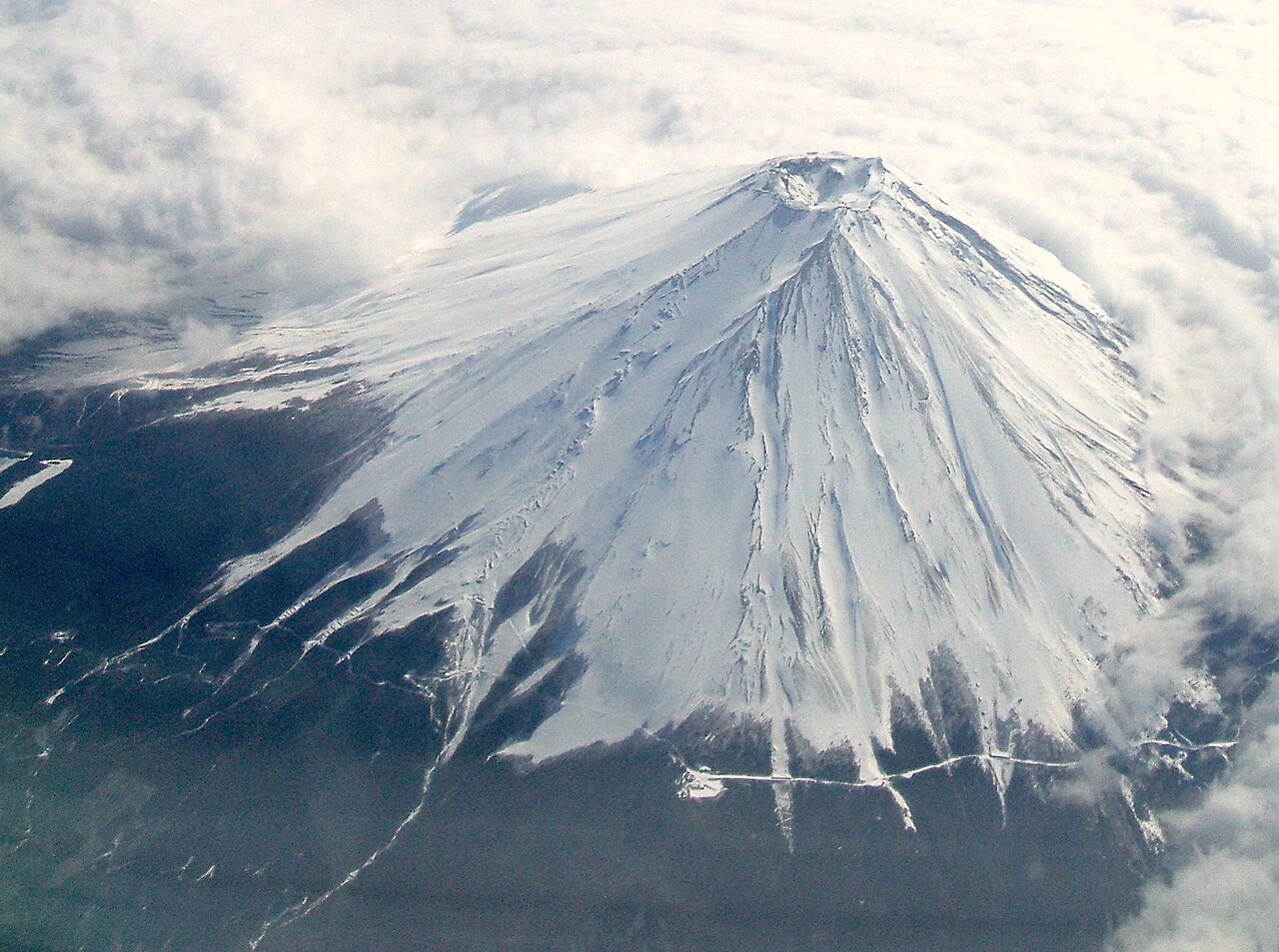
- 1707 Hōei eruption of Mount Fuji: Later the same year Mount Fuji erupted, producing ashfall that affected surrounding provinces and reached Edo; the eruption and ash contributed to crop damage and local hardship.
- Imperial and shogunal transitions: The era saw the succession of Emperor Nakamikado and the transfer of shogunal authority from Tsunayoshi to Ienobu, events that affected court and bakufu politics.
Effects and significance
The combination of earthquake and volcanic eruption in 1707 produced notable short-term disruption to agriculture, transport and local economies, prompting relief and reconstruction efforts by local authorities and the shogunate. Culturally, Hōei sits just after the high point of Genroku urban culture and before later 18th-century reforms; it therefore represents a transitional period in Edo Japan's social and economic history.
Further reading and distinctions
Hōei is best understood as one era within the nengō system of period names; readers seeking background on that naming practice can consult resources on the nengō system. For continuity with the preceding cultural flowering, see materials on the Genroku era. These links lead to general overviews useful for placing Hōei in the broader narrative of early modern Japan.
Related articles
Author
AlegsaOnline.com Hōei era (1704–1711): overview and historical significance Leandro Alegsa
URL: https://en.alegsaonline.com/art/44643
Sources
- books.google.com : "Hōei"
- books.google.com : "Higashiyama Tennō,"
- books.google.com : "Nakamikado Tennō,"
- books.google.com : Annales des empereurs du japon, pp. 415-416
- sk01.ed.shizuoka.ac.jp : Shizuoka University website
- sk01.ed.shizuoka.ac.jp : 宝永四年(1707)噴火 (in Japanese)
- books.google.com : p. 416.
- books.google.com : p. 73
- kunaicho.go.jp : Ceremony of Accession (Sokui-no-Rei)
- books.google.com : Japans Kaiserhof in der Edo-Zeit, p. 186
- kunaicho.go.jp : 東山天皇 (113)
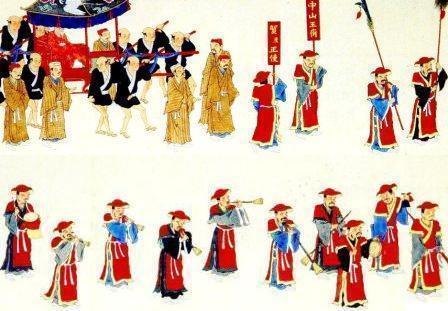
- digital.archives.go.jp : Ryūkyū Chuzano ryoshisha tojogyoretsu (Procession of Ryūkyū mission in Edo), 1710