
Xbox 360
Microsoft's second home video game console, the Xbox 360 helped define the seventh generation with online play, digital downloads, major game franchises, and later hardware revisions.
The Xbox 360 was Microsoft's second home video game console and one of the defining systems of the seventh generation. It followed the original Xbox and placed a stronger emphasis on online play, digital services, and media features, while still serving primarily as a machine for console games.
Microsoft unveiled the console on MTV on May 12, 2005, and released it in North America on November 22, 2005. It entered a crowded market against the Nintendo Wii and Sony PlayStation 3. The three systems offered different ideas of what a modern console could be: motion control, high-definition gaming, or a broad online network.
Image gallery
10 Images





Hardware and system design
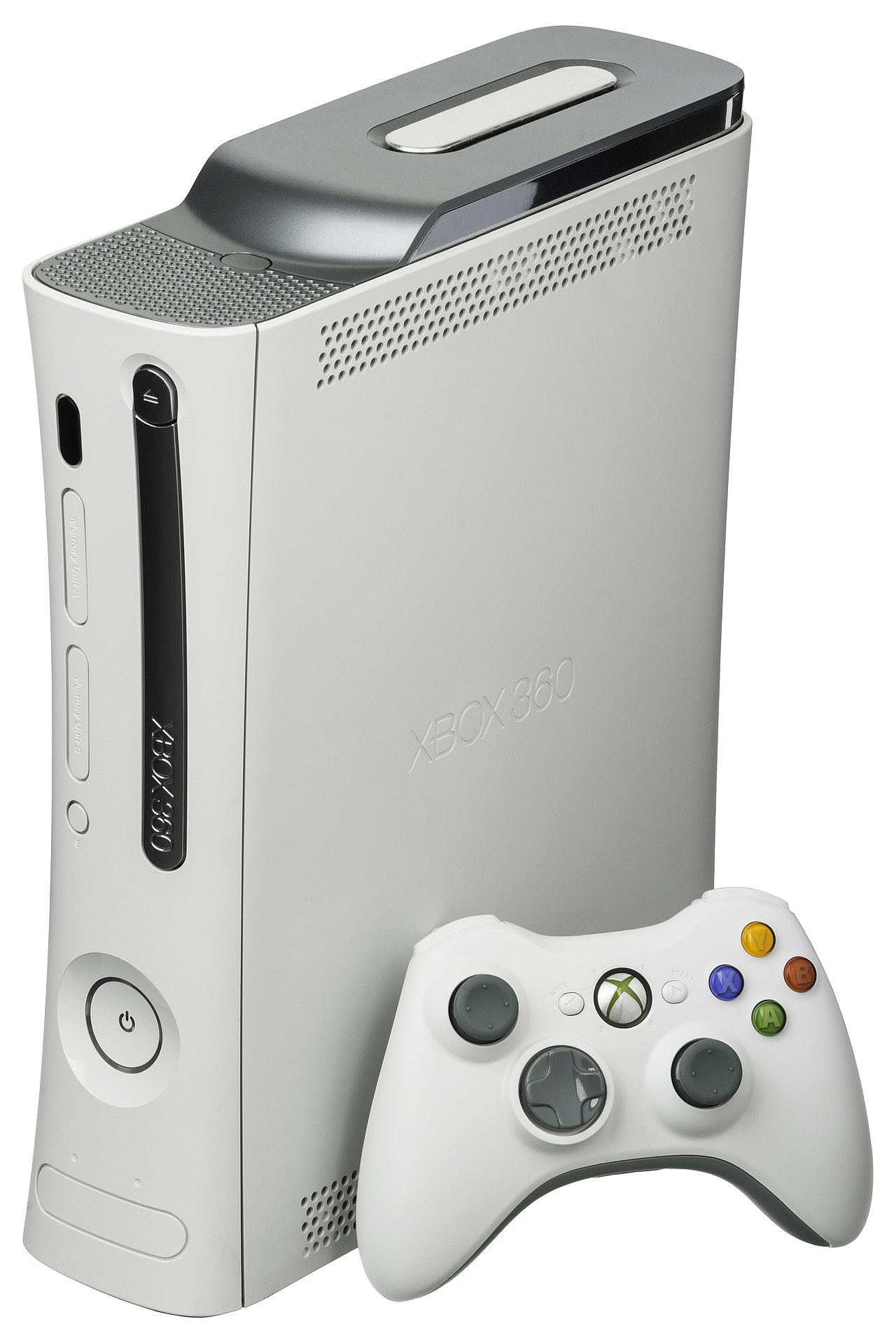
Early Xbox 360 models used a curved white case, a detachable hard drive, and wireless controllers with a familiar button layout. The system supported high-definition output, disc-based games on DVD, and online accounts through Xbox Live. Over time Microsoft introduced slimmer revisions, including the Xbox 360 S and later the Xbox 360 E, which reduced size and improved efficiency.
Games, services, and accessories
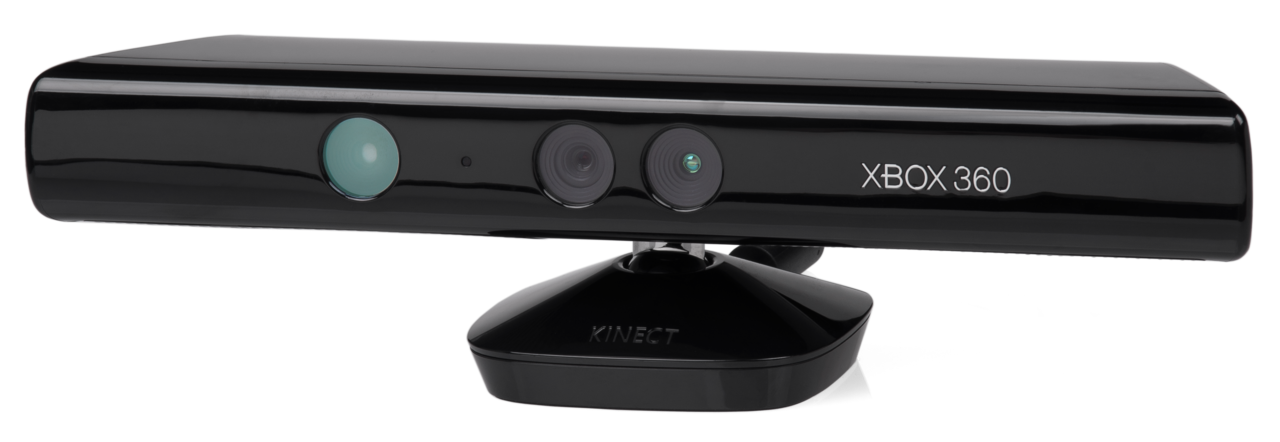
The platform built a strong library of action, racing, role-playing, and sports games. Franchises such as Halo, Gears of War, Forza, and Fable became closely associated with the system. Xbox Live made multiplayer matchmaking, voice chat, achievements, and downloadable content central parts of the experience, while the Kinect motion sensor added hands-free play and menu navigation for supported titles.
Reception and technical issues
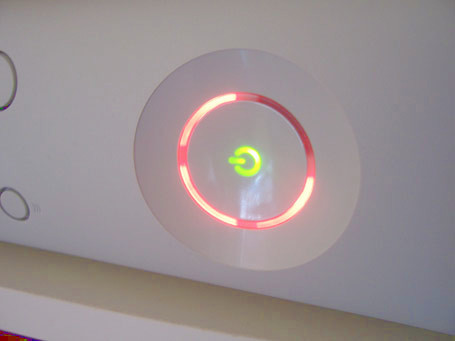
The Xbox 360 was praised for its broad game lineup, polished online infrastructure, and influence on later console design. It also became known for early hardware reliability problems, often summarized by the red ring of death. Microsoft redesigned the hardware several times, and later revisions were more stable than the earliest units.
Legacy
Microsoft officially revealed the next-generation successor, Xbox One, in 2013. The Xbox 360 remained in production until 2016, but new games gradually disappeared as publishers moved on to newer hardware. Even so, the console left a lasting mark through achievements, digital distribution, console party chat, and the idea of a connected living-room entertainment system.
Related topics and context
- video game console: the broader category that includes the Xbox 360.
- Microsoft: the company that developed and marketed the system.
- Xbox: the original console line that preceded it.
- 2005 launch: the year the machine first reached consumers.
- Nintendo: a rival company in the same generation.
- Wii: Nintendo's motion-focused console.
- Sony: the company behind another major rival system.
- PlayStation 3: Sony's competing seventh-generation console.
- seventh generation: the console era the Xbox 360 belonged to.
- official reveal: the public introduction of the system.
- MTV: the channel used for the announcement.
- May 12, 2005: the date of the reveal event.
- Xbox One: the successor that followed the Xbox 360.
Questions and answers
Q: What is the Xbox 360?
A: The Xbox 360 is the second video game console released by Microsoft.
Q: When was the Xbox 360 released?
A: It was released on November 22, 2005.
Q: How long after the first Xbox was the Xbox 360 released?
A: The Xbox 360 was released 1462 days after the first Xbox.
Q: What consoles did the Xbox 360 compete against?
A: The Xbox 360 competed against the Nintendo Wii and Sony PlayStation 3.
Q: When was the Xbox One announced?
A: The Xbox One was announced on May 21, 2013.
Q: When was the Xbox One released?
A: The Xbox One was released on November 22, 2013.
Q: When did they stop making games for the Xbox 360?
A: Games are no longer being made for the Xbox 360.
Related articles
Author
AlegsaOnline.com Xbox 360 Leandro Alegsa
URL: https://en.alegsaonline.com/art/109432
Sources
- commons.wikimedia.org : Xbox 360
- businessweek.com : "Xbox 360 Manufacturers Revealed"
- kotaku.com.au : "Report: Foxconn Denies Protest Over Pay | Kotaku Australia"
- microsoft.com : "Earnings Release FY13 Q1"
- psu.com : "Xbox 360 Cloud Storage Size Revealed"
- translate.google.co.uk : "Google translation of Xbox.com/JA-JP"
- theverge.com : "Xbox 360 color space fix coming, still no word on restoring 1080p playback"
- joystiq.com : "Microsoft confirms Xbox 360 802.11n adapter"
- venturebeat.com : "Xbox 360 surpasses 66M sold and Kinect passes 18M units"
- engadget.com : "Microsoft sells 10 million Kinects, 10 million Kinect games"
- xbox.com : "Original Xbox Games Playable on Xbox 360"
- xbox.gamespy.com : "We Got Next—Part One (Xbox)"
- xbox360.ign.com : Xbox 360 Launch