
Kinect: Microsoft’s Motion-Sensing Camera and Voice Interface
Kinect is a motion-sensing input device by Microsoft for consoles and other systems, combining depth-sensing cameras and microphones to enable gesture, voice and body-tracking interaction.
Overview
Kinect is a family of motion-sensing input devices developed by Microsoft that track body movement and sound to enable controller-free interaction. First revealed at the E3 trade show in 2009, Kinect was introduced as an accessory for the Xbox 360 and later redesigned for the Xbox One. It combined optical sensors and microphone arrays with on-board software to identify people, interpret gestures and respond to spoken commands, allowing users to navigate menus, play games and control media using natural movements and voice.
Image gallery
10 Images





Hardware and technical characteristics
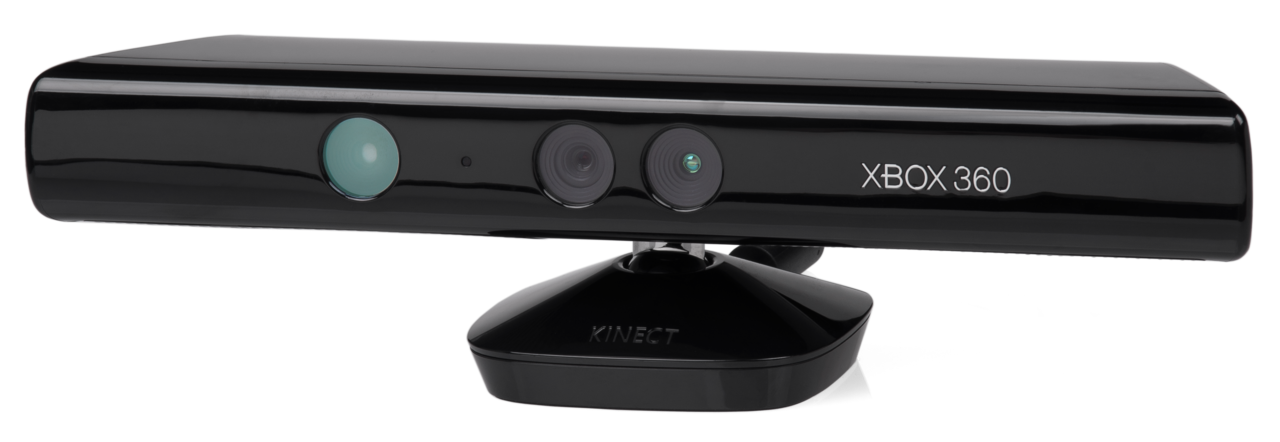
At its core the Kinect integrates one or more RGB cameras, an infrared depth sensor and a multi-element microphone array. The depth sensor projects an IR pattern and measures its deformation to build a three-dimensional map of the scene; the RGB camera provides color imagery; and the microphone array enables voice recognition and sound-source localization. On-device and host-side software perform skeletal tracking, body-part segmentation and gesture detection, using computer vision and signal-processing techniques to distinguish people from background and to follow multiple users simultaneously.
History and product versions
The original sensor shipped for the Xbox 360 and arrived in retail in late 2010, often bundled with games such as Kinect Adventures. Microsoft positioned it as a new input paradigm for living-room entertainment, comparable in impact to other motion systems like the PlayStation Move for the PlayStation 3 and the Wii motion controllers from Nintendo. A revised version was released with the launch of the Xbox One console, featuring improved depth sensing and processing. Microsoft later discontinued consumer Kinect hardware for Xbox, and repurposed the technology into non‑gaming products and developer kits designed for cloud and enterprise scenarios.
Software, uses and applications
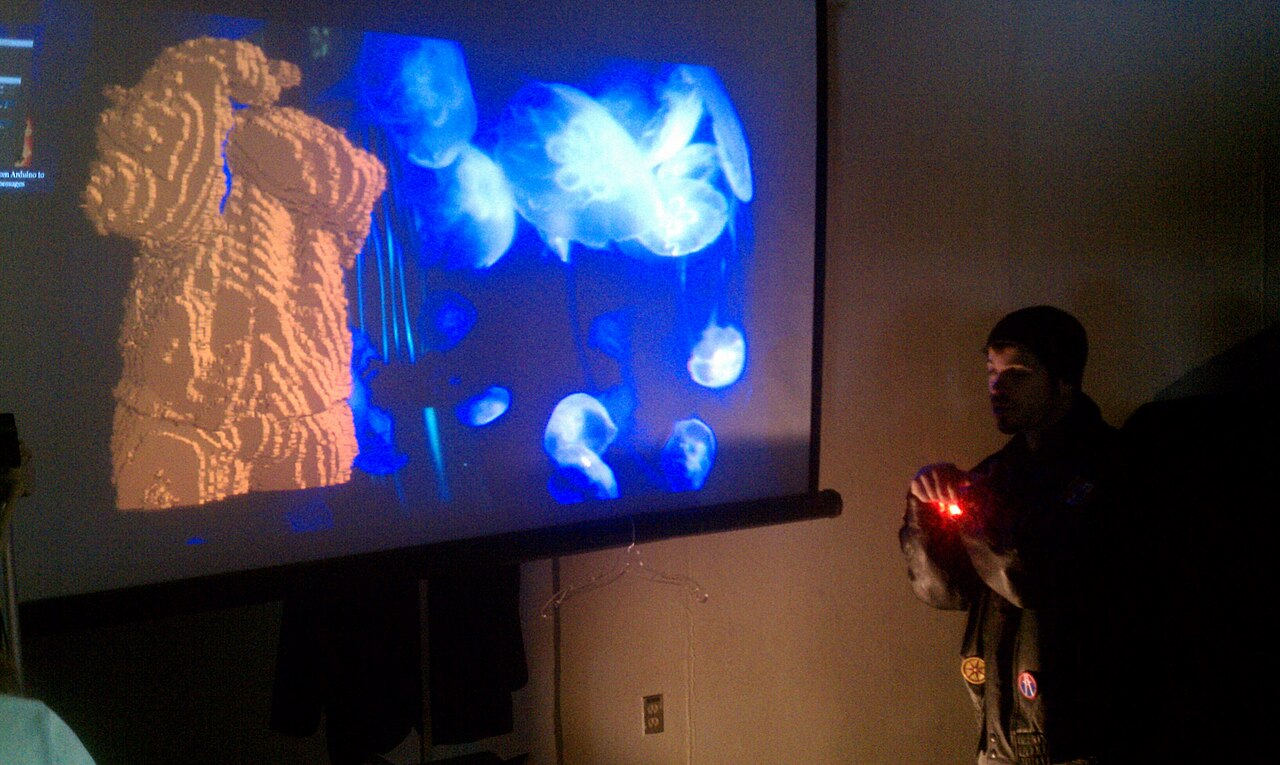
Games demonstrated the technology’s immediate appeal: whole‑body games, party titles and fitness apps used full-body tracking to translate human motion into on-screen actions. Beyond entertainment, developers and researchers adopted Kinect hardware for robotics, gesture-based control of computers and interactive displays, health and rehabilitation exercises, retail analytics, and immersive installations. It can also control media playback and browse content such as movies or apps on connected televisions by combining simple gestures and voice prompts.
Impact, reception and notable facts
Kinect was widely recognized for lowering the barrier to natural user interfaces and for inspiring creative uses outside gaming. It received multiple industry awards and, shortly after launch, achieved a rapid sales milestone recognized by Guinness World Records. The device’s success stimulated interest in depth cameras and gesture systems across consumer electronics and research. However, practical limitations such as room requirements, lighting sensitivity, privacy concerns and developer adoption influenced its long-term role in the market.
Distinctions and legacy
Unlike traditional handheld controllers, Kinect emphasized hands-free and full-body interaction. While consoles later moved toward mixed input models that combine touch, controllers, and voice, Kinect’s influence persists in current depth-sensing cameras and machine-learning applications. The underlying concepts—depth sensing, skeletal tracking and microphone-array processing—continue to be used in fields ranging from gaming and broadcast production to industrial automation and cloud‑based perception services.
- Key components: RGB camera, infrared depth sensor, microphone array.
- Primary interactions: gesture control, skeletal tracking, voice commands.
- Notable competitors: PlayStation Move and various motion controllers.
For more technical resources and developer materials, see official and community documentation associated with the platform and subsequent Azure and developer offerings that extended Kinect concepts into cloud and enterprise scenarios.
Cameras • microphone • Microsoft • Xbox 360 • Xbox One • movies • televisions • computers • PlayStation Move • PlayStation 3 • Guinness World Records


Project Name
Project Natal is named after the place of origin Natal of the Brazilian developer Alex Kipman, who created the project.
Games for Kinect (selection)
The following games were available at the Kinect launch (selection):
- Child of Eden (Ubisoft)
- Dance Central (MTV Games)
- Dance Evolution (Konami)
- Kinect Joy Ride (Microsoft)
- Kinect Sports (Microsoft)
- Kinect Star Wars (Microsoft)
- Kinect Adventures (Microsoft)
- Kinectimals (Microsoft)
- Your Shape: Fitness Evolved (Ubisoft)
- Motion Sports (Ubisoft)
- Motion Sports Adrenaline (Ubisoft)
- Sonic Free Riders (Sega)
- Game Party 4 (Warner Bros. Games)
- Crossboard 7 (Konami)
- Fighters Uncaged (Ubisoft)
- Harry Potter and the Deathly Hallows - Part 1 (EA/Warner Bros. Games)
- Sports Island Freedom (Hudson)
- EA Sports Active 2 (EA Sports)
- Zumba Fitness
- Rise of Nightmares
- Fruit Ninja Kinect (Halfbrick)
- Power Up Heroes (Ubisoft)
- Harry Potter for Kinect
- Disneyland Adventure
New games are no longer to be expected.
Related articles
Author
AlegsaOnline.com Kinect: Microsoft’s Motion-Sensing Camera and Voice Interface Leandro Alegsa
URL: https://en.alegsaonline.com/art/53514
Sources
- community.guinnessworldrecords.com : community.guinnessworldrecords.com/_Kinect-Confirmed-As-Fastest-Selling-Consumer-Electron…
- google.com : USPAT 20100225746 REFERENCE IMAGE TECHNIQUES FOR THREE-DIMENSIONAL SENSING
- google.com : USPAT 20100118123 DEPTH MAPPING USING PROJECTED PATTERNS