
Highwayman: Robbers on Horseback in Britain and Beyond
Highwaymen were mounted robbers who ambushed travelers and coaches from the early modern period to the 19th century. This article explains their methods, history, punishment, famous figures and cultural legacy.
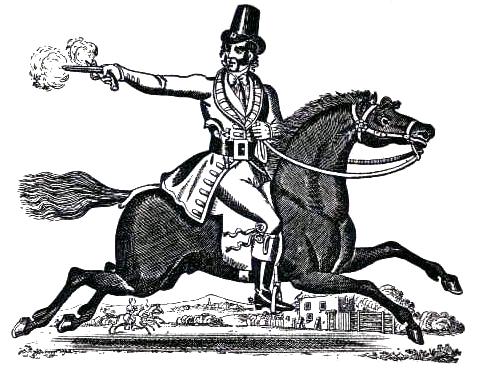
A highwayman was a robber who attacked people while they were traveling, typically on public roads or lonely lanes. Most famous in the British Isles from the late 16th century through the 18th and early 19th centuries, highwaymen operated on horseback and relied on speed and surprise. The image of the masked, mounted thief who cries “Stand and deliver!” and threatens passengers with pistol and sword became a persistent part of popular culture, and the term continues to be used metaphorically today.
Image gallery
6 Images



Characteristics and methods
Unlike footpads, who robbed on foot and often targeted pedestrians in town streets, highwaymen usually worked from horseback, which allowed them to intercept stagecoaches, solitary travelers, and mail wagons on long stretches of road. They could act alone or in small groups; some formed organized gangs that set up ambushes along well-traveled routes. Typical targets were coaches with limited defense, where passengers carried cash, jewellery and other valuables. Highwaymen used pistols, bladed weapons and intimidation rather than stealth, and rapid escape on horse was central to their tactic.
Social standing and legal response
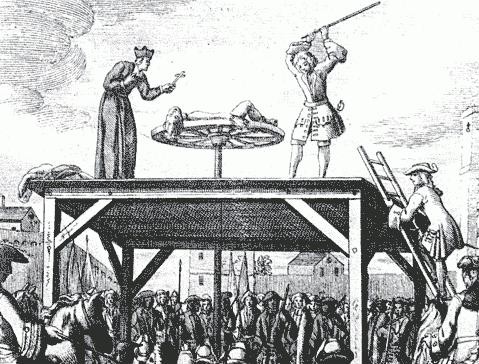
Contemporaries often drew a contrast between the “gentleman highwayman” and lower-status criminals: the former was sometimes portrayed as courteous or selective in choosing victims, while the latter were seen as brutish. In reality, highway robbery was violent and dangerous for victims and offenders alike. The law treated robbery with violence harshly; offenders faced capital punishment and public execution. Many were hanged for their crimes. In some politically charged cases, captured highwaymen were tried for treason or subjected to heightened penalties: for example, one 17th-century figure was condemned under charges that carried the extreme sentence of being hanged, drawn and quartered.
Notable figures and regions
- James Hind, a Royalist supporter in the mid-17th century, was executed following charges linked to political conflict.
- Dick Turpin became one of the best-known names associated with highway robbery and was executed in 1739; later legend embellished his exploits.
- Claude Duval is remembered in stories as the archetypal charming highwayman who treated victims with gallantry.
- Outside Britain, comparable mounted outlaws—often called bushrangers in Australia—include figures like Ben Hall, who operated in the 19th century.
Certain stretches of road or commons acquired reputations for frequent hold-ups, and military patrols or local constables were sometimes mobilized in response. Both private initiatives and state institutions attempted to suppress highway robbery: bounty systems, mounted patrols, and early policing forces increased the risks for would-be robbers.
Decline and legacy
The decline of highway robbery in Britain and elsewhere came from several sources: improved road maintenance, better-armed and organized escort services, the growth of banking and less cash carried by travelers, and the professionalization of law enforcement—early detective bodies and later metropolitan police forces reduced the safe space for mounted bandits. Over time, highwaymen slipped from criminal actor to romantic literary figure, appearing in ballads, plays and novels as either villain or antihero. Their memory survives in folktales, historical studies and idioms such as calling an unfair charge “highway robbery.”
For further reading on related topics and specific cases, see entries on robbery, traveling and road crime, the history of the British Isles law and order during the period, and overviews of the 18th and early 19th centuries. Typical equipment and mounts are discussed in sources on horses and riding horses, while studies of criminal organization cover solitary offenders and gangs. Descriptions of what victors seized often list money and jewellery, and legal histories treat the role of hanging and other punishments. High-profile cases illustrate extreme sentences like being hanged, drawn and quartered, the actions of political regimes such as the Protectorate, and prosecutions for treason. Famous individuals include Dick Turpin, and the phenomenon extends to colonial contexts like the Australian bushranger tradition and figures such as Ben Hall.
This article summarizes the general pattern of highway robbery and its resonance; specialized studies treat regional variations, gendered participation, and the interplay of myth and documented crime in greater depth.
Related articles
Author
AlegsaOnline.com Highwayman: Robbers on Horseback in Britain and Beyond Leandro Alegsa
URL: https://en.alegsaonline.com/art/44165
Sources
- outlawsandhighwaymen.com : Online quotation