
Dick Turpin: 18th-Century English Highwayman and Folk Figure
Dick Turpin (c.1705–1739) was an English highwayman whose criminal career and later romanticized legend—notably the tale of 'Black Bess'—blur historical fact and popular myth.
Overview
Richard "Dick" Turpin (c.1705–7 April 1739) was an English criminal best known in popular culture as a highwayman. Contemporary records show he was involved in a range of offences, including poaching, burglary, and horse theft. Stories that add violence or daring feats—such as murder on the road or an overnight ride from London to York on a mare called Black Bess—largely derive from later narrative embellishment rather than court documents. He was ultimately arrested, tried in York and executed at Knavesmire in 1739.
Image gallery
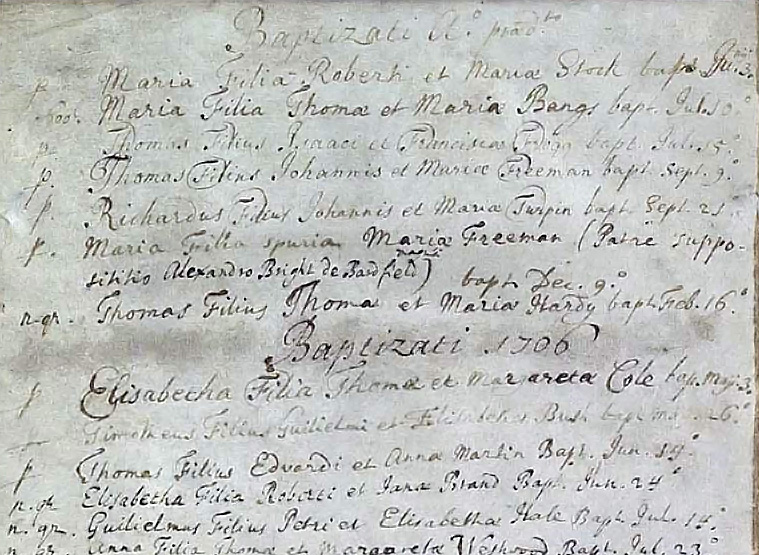
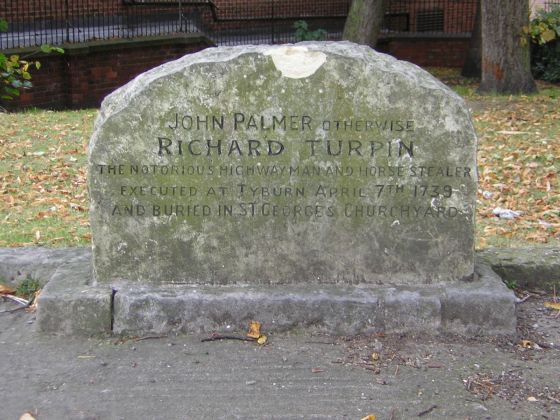
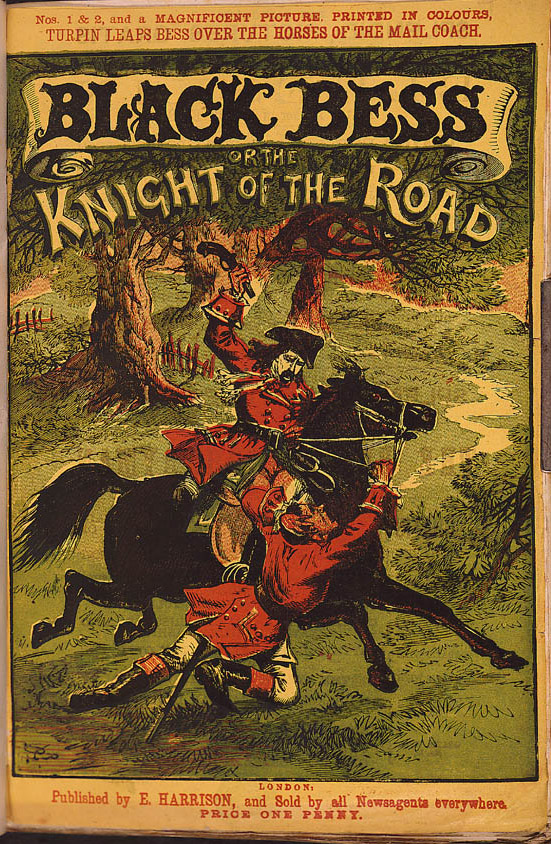
10 Images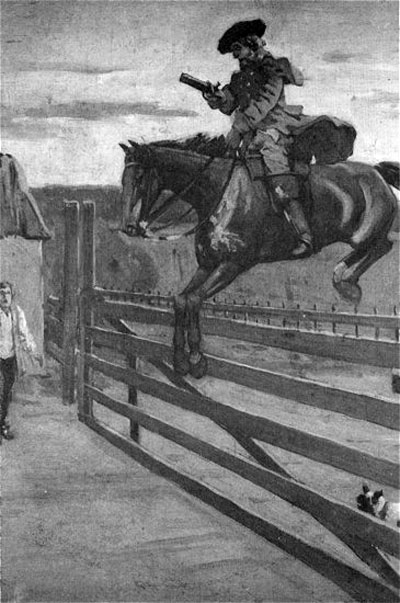





Life and criminal activity
Turpin was born in Hempstead, Essex. In his early adult years he associated with groups who illegally hunted or took game, a practice often described as poaching. Several members of such networks were captured and executed in the mid-1730s, and Turpin then moved into a pattern of crimes that included housebreaking and stealing horses. He later became known for robbing travellers on roads—an occupation the press and pamphleteers of the period labelled highway robbery—preying on isolated coaches and riders between towns.
Modus operandi and aliases
As with many mounted robbers of the 18th century, Turpin relied on mobility: horses enabled quick attacks and escape across long stretches of countryside. To avoid recognition he sometimes used false names; during a spell in the north of England he lived under the name John Palmer. Despite attempts at concealment the accumulation of wealth and suspicious behaviour led to his arrest on a charge of horse theft, the offence for which he was tried.
Arrest, trial and execution
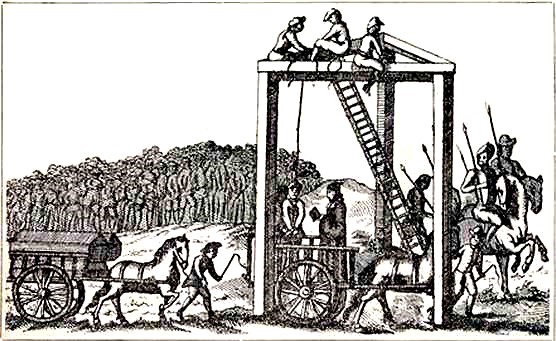
Turpin was detained in Yorkshire and brought before the assizes at York. Court records state he was convicted for stealing a mare and was sentenced to death. He was executed by hanging on 7 April 1739 on the Knavesmire in York. Although popular narrative often links him to multiple murders, contemporary legal proceedings and surviving evidence are clearer about property crimes such as theft and burglary than about violent homicide.
Legend, literature and popular memory
In the decades after his death Turpin became a figure of folklore and fiction. Nineteenth‑century writers and balladeers transformed him into a romantic outlaw; William Harrison Ainsworth's novel Rookwood (1834) was especially influential in cementing the image of Turpin's dramatic exploits and the supposedly faithful mare called Black Bess. This literary treatment helped turn a criminal into a stock character of popular culture—a phenomenon that mixed fact, rumor and invention.
Facts versus myths
- Documented: Turpin lived in Essex, committed property crimes, used aliases, was tried and hanged in York in 1739.
- Debated or unlikely: the famous overnight ride from London to York and many dramatic killings are later embellishments.
- Context: highway robbery was a high‑profile crime in 18th‑century England because of limited policing, valuable goods on the road, and slow communications.
Why Turpin endures
Turpin's continued presence in song, stage, and screen reflects how societies reshape criminal figures into symbols—sometimes to warn, sometimes to glamorize. The mixture of surviving legal records, sensational press reports of the day, and later fictional accounts makes his story a useful example of how history and myth interact. For further reading about highwaymen and the broader social setting in which Turpin operated, see contemporary compilations, scholarly histories and collections of period ballads available through historical archives and print studies (murder and crime reports, deer poaching records, burglary accounts). For cultural portrayals consult editions and studies of Ainsworth and later dramatizations (highwayman lore, aliases in records, horse theft cases, robbery accounts).
Notable caution: Many well‑known details associated with Turpin are the product of 19th‑century romanticism rather than contemporary testimony. Readers should distinguish primary legal records from later retellings when assessing his life and crimes.
Questions and answers
Q: Who was Dick Turpin?
A: Dick Turpin was an English highwayman who made a lot of money through criminal activities such as poaching, burglary, horse theft, and murder.
Q: What was Turpin most famous for?
A: Turpin was most famous for "highway robbery" on his horse, Black Bess.
Q: Where was Turpin born?
A: Turpin was born in Hempstead, Essex.
Q: What criminal activity was Turpin involved in before he started robbing rich people on the highways between cities?
A: Turpin was believed to be involved with a gang of poachers who stole and sold deer that belonged to the King.
Q: Why did Turpin change his name to John Palmer?
A: Turpin changed his name to John Palmer in an attempt to hide from the police.
Q: What eventually led to Turpin's capture?
A: Turpin was arrested for horse theft after people became suspicious of his wealth.
Q: Where was Turpin hanged?
A: Turpin was hanged at York Castle in Knavesmire, York on 7 April 1739.
Related articles
Author
AlegsaOnline.com Dick Turpin: 18th-Century English Highwayman and Folk Figure Leandro Alegsa
URL: https://en.alegsaonline.com/art/27204