
Historiography: the study and practice of writing history
An overview of historiography: what it studies, key methods and sources, how it developed, major debates and practical uses in scholarship and public life.
Overview
Historiography is the study of how history is written and understood. It examines the methods historians use, the kinds of evidence they rely on, and the narrative choices that shape accounts of the past. In one sense the term denotes the theory and practice behind historical writing; in another, it describes the body of historical literature produced about a particular topic, period, or place. For a concise introduction to the field see introductions to historiography and to standard historical methods.
Image gallery
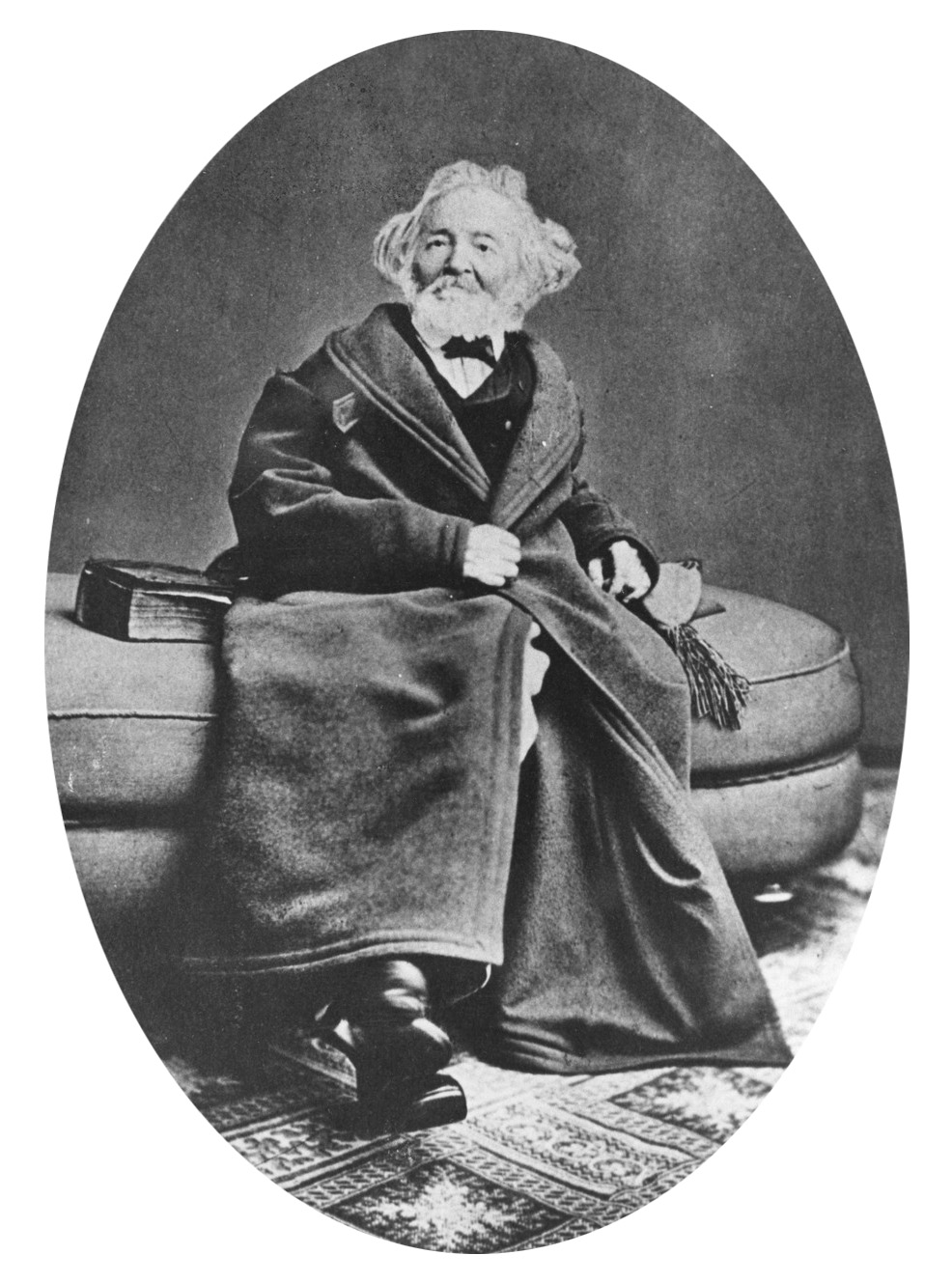
10 Images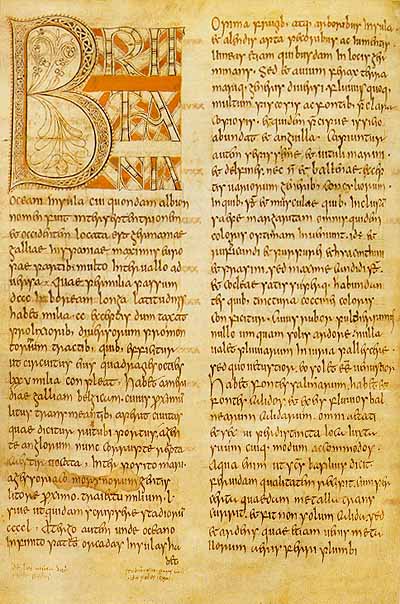




Key elements and methods
Historiographical study looks at several interrelated elements: the historians themselves, the evidence they consult, and the interpretive frameworks they apply. Typical components include:
- Authors and schools of thought: who writes history and what assumptions they bring; see profiles of notable historical authors.
- Sources and source criticism: how primary and secondary sources are selected, authenticated, and weighed; resources on working with historical sources.
- Expression and style: the choices of narrative, explanation, and rhetoric that shape comprehension; guidance on historical style.
- Bias and perspective: recognizing partial viewpoints and their influence on conclusions; discussion of bias in history.
- Audience and purpose: which readers the work addresses and why, for example academic peers, students, or the general public; see notes on audiences for history.
Development and major trends
The study of historiography grew as history professionalized in the 19th and 20th centuries, when scholars developed explicit methods for evaluating evidence and constructing arguments. Over time distinct approaches emerged — narrative, analytical, social, economic, cultural, and others — and debates about objectivity, causation, and the role of interpretation have shaped the discipline. Movements such as social history, the Annales school, and Marxist and postcolonial critiques illustrate how questions of emphasis and framework alter historical conclusions.
Uses, debates, and practical importance
Understanding historiography helps readers evaluate competing accounts and recognize why historians may disagree. It informs curriculum design, public commemorations, legal and policy decisions that rely on historical precedent, and interdisciplinary research. Contemporary discussions also address digital archives, open access, and how new technologies change source discovery and analysis. Debates persist about the limits of neutrality, the ethics of representation, and how to include marginalized voices without tokenism.
Distinctions and notable facts
Historiography differs from history itself: the former studies how histories are written, while the latter aims to narrate or explain past events. The term can refer both to methodological reflection and to a corpus of writings on a subject (for example, the historiography of a war or of a national period). Scholars use historiographical essays to map shifting interpretations and to situate new research within ongoing conversations.
For further reading and resources, consult introductory texts and specialized bibliographies that survey schools, methods, and case studies in historiography. Well-informed historical inquiry requires not only evidence but a transparent account of how that evidence is used.
Questions and answers
Q: What is historiography?
A: Historiography is the study of how history is written and the methods used to write it. It involves examining the author, sources, interpretation, style, bias, and audience.
Q: What is the other meaning of the word "historiography"?
A: The word "historiography" can also refer to a body of historical work.
Q: How does historiography examine the writing of history?
A: Historiography examines the writing of history by analyzing the author, sources, interpretation, style, bias, and audience.
Q: Why is historiography sometimes called "the history of history"?
A: Historiography is sometimes called "the history of history" because it is concerned with the study of how history has been written and the development of historical methods over time.
Q: What does historiography focus on?
A: Historiography focuses on the writing of history and the use of historical methods.
Q: What are the elements examined in historiography?
A: The elements examined in historiography include authors, sources, interpretation, style, bias, and audience.
Q: What is the importance of historiography?
A: Historiography is important because it allows us to better understand how history is written and the biases and perspectives that can influence it. By studying historiography, we can gain a more critical and nuanced understanding of history.
Related articles
Author
AlegsaOnline.com Historiography: the study and practice of writing history Leandro Alegsa
URL: https://en.alegsaonline.com/art/44450
Sources
- cromohs.unifi.it : Cromohs — cyber review of modern historiography
- cisi.unito.it : History of Historiography