
The Histories (Herodotus): Origins, Content and Influence
Survey of Herodotus's Histories: its composition, structure, principal themes, notable episodes, debates about reliability, and its role as an early model of historical writing.
The Histories is the title given to the long narrative composed by Herodotus of Halicarnassus around the mid-5th century BC. Written in Ionic Greek and often dated to about 440 BC, the work sets out to explain the causes and events of the wars between the Persian Achaemenid realm and the various Greek city-states of the era. Modern readers treat it as both a literary monument and a foundational work of Western historiography: Herodotus himself described his project as an inquiry (historíai) into the past rather than a simple chronicle. For a concise reference see The Histories.
Image gallery
10 Images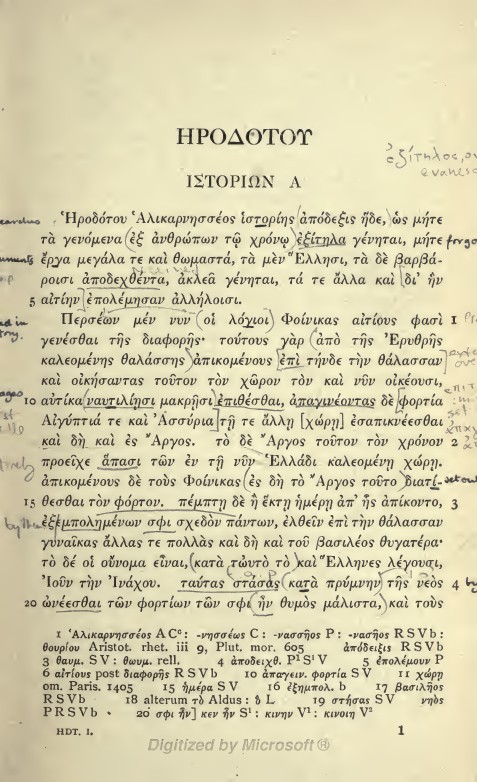






Composition, style and purpose
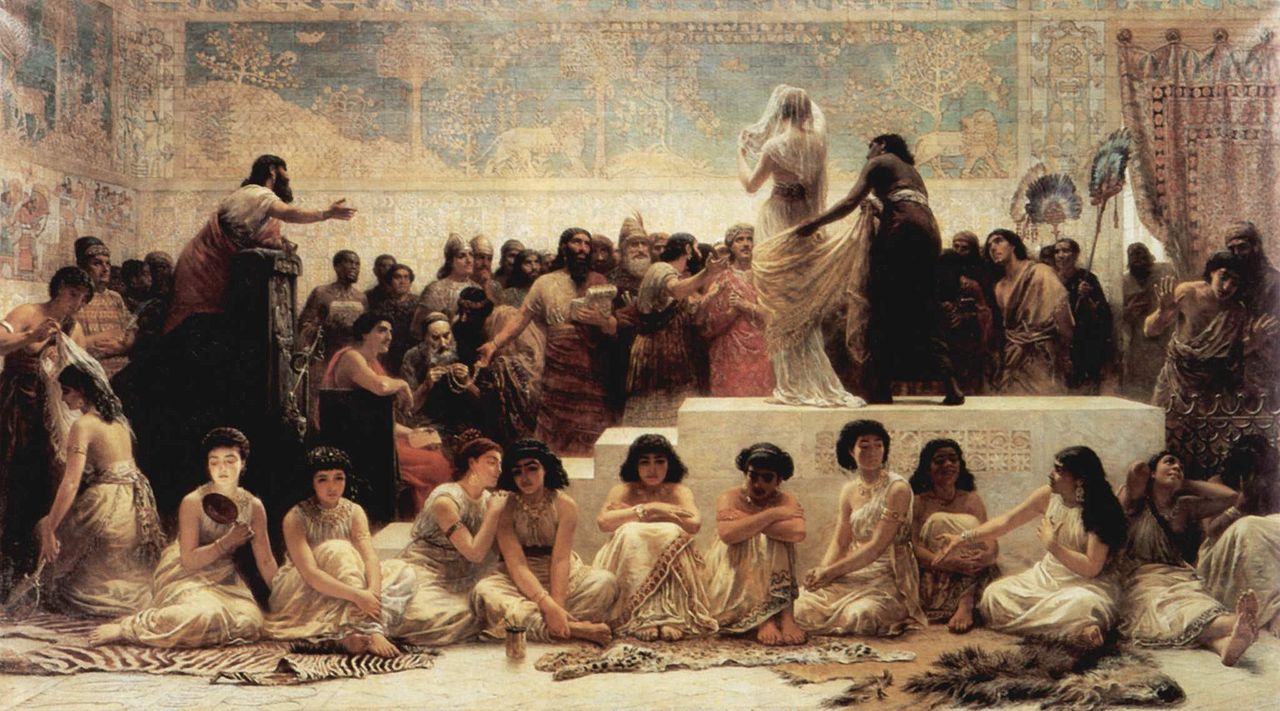
Herodotus interweaves narrative episodes, ethnographic description, geographic information, speeches, and folkloric tales. His method draws on oral reports, traveler accounts, and local traditions; he often records conflicting versions of events and sometimes remarks on their plausibility. This mixture gives the text dramatic variety but has also invited debate about its accuracy. The author appears motivated by an attempt to preserve the memory of human actions and to explain why large-scale conflict arose between East and West — above all the expansion of the Achaemenid Empire and the Greek response.
Content and structure
The surviving work is conventionally divided into nine books, each named after a Muse. Together they cover a broad range of material: Persian history and administration, Egyptian customs, the cultures of Anatolia and Scythia, and detailed accounts of key military confrontations. Major episodes include:
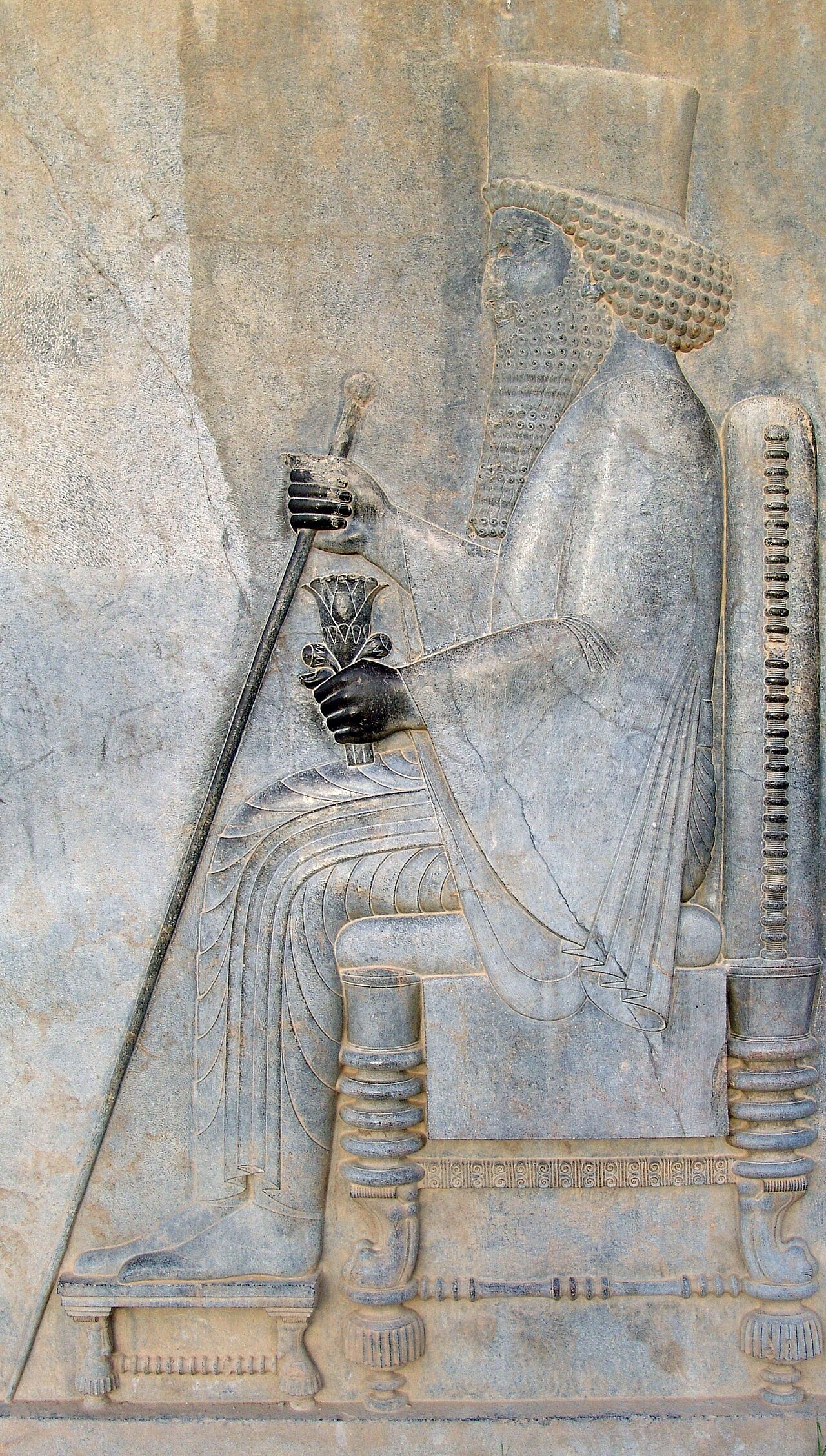
- Persian expansion under Cyrus and Xerxes
- The Battle of Marathon and subsequent Greek campaigns
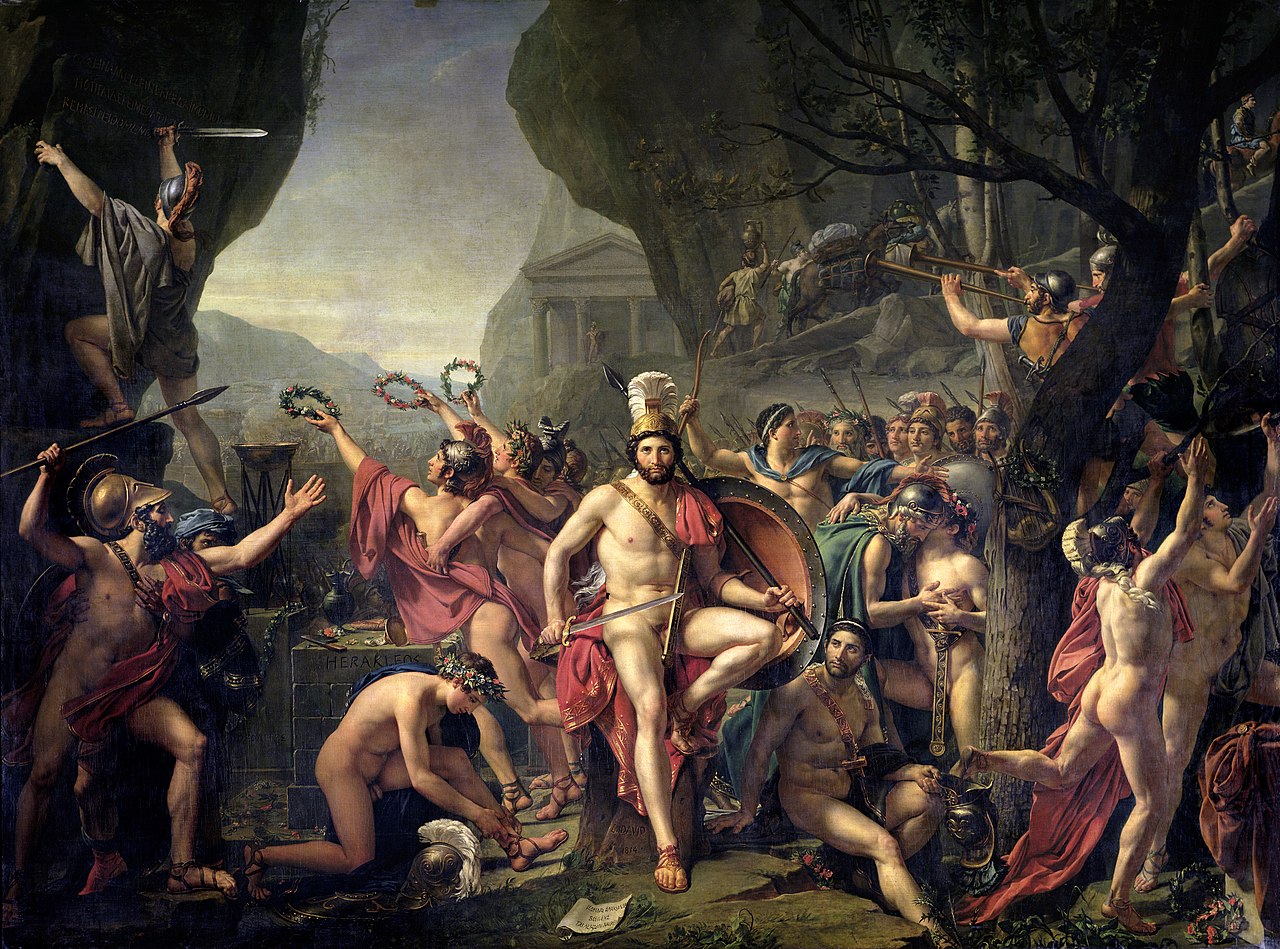
- The stand at Thermopylae and the naval clash at Salamis
- Ethnographic sketches of Egypt, Libya and the Black Sea region
Herodotus combines strategic narrative with extended digressions that illuminate the peoples and places involved, making the work as much an ancient travelogue as a history of war.
Reception, reliability and legacy
Since antiquity Herodotus has inspired admiration and criticism. He was praised by some classical writers as the "father of history" for pioneering systematic inquiry, while others faulted him for including hearsay and improbable anecdotes. Modern scholarship treats him as an indispensable source for the Greco-Persian conflicts and for the cultural information he preserves, but scholars cross-check his claims against archaeology, inscriptions and later texts when assessing factual accuracy. Editions, commentaries and translations are numerous in many languages and the work remains central to studies of the Greek city-states and the politics of the 5th century BC.
As both a narrative of events and a repository of diverse ethnographic material, The Histories continues to be read for its vivid storytelling, its insight into ancient mindsets, and its early example of historical investigation.
Related articles
Author
AlegsaOnline.com The Histories (Herodotus): Origins, Content and Influence Leandro Alegsa
URL: https://en.alegsaonline.com/art/44449