
Jewellery: Types, History, Materials, Uses, and Care
An accessible overview of jewellery: common forms, materials and craftsmanship, historical development, cultural meanings, practical uses and basic care guidance.
Overview
Jewellery (also spelled jewelry) denotes decorative objects worn on the body for adornment or personal expression. Typically worn to enhance appearance, jewellery ranges from simple beads to elaborate pieces set with gemstones. Many small items are purely decorative, while others combine ornament with function, attaching to clothing or personal accessories.
Image gallery
10 Images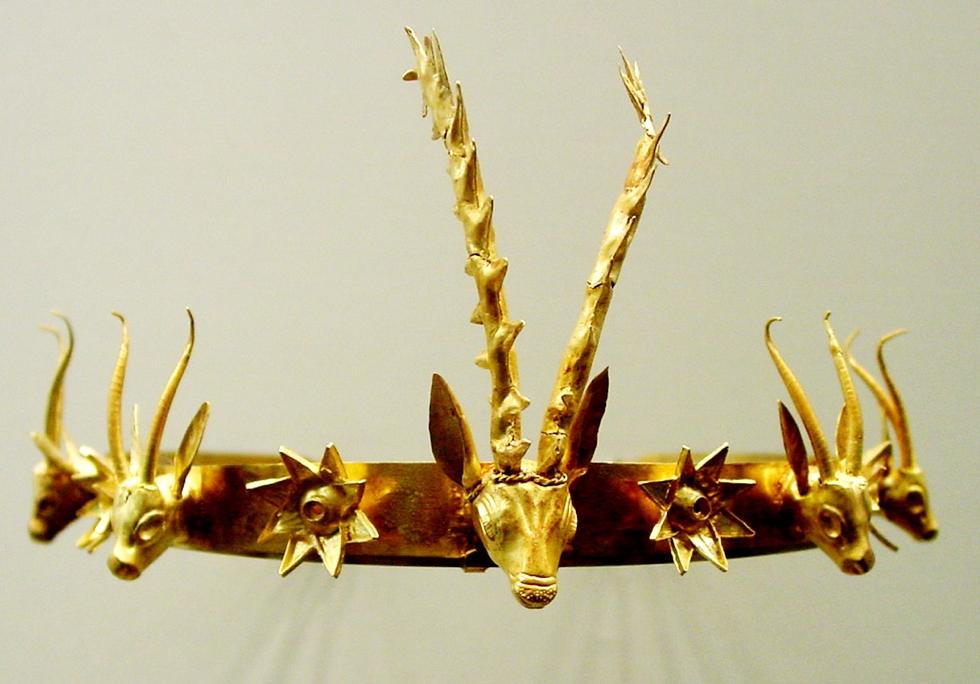


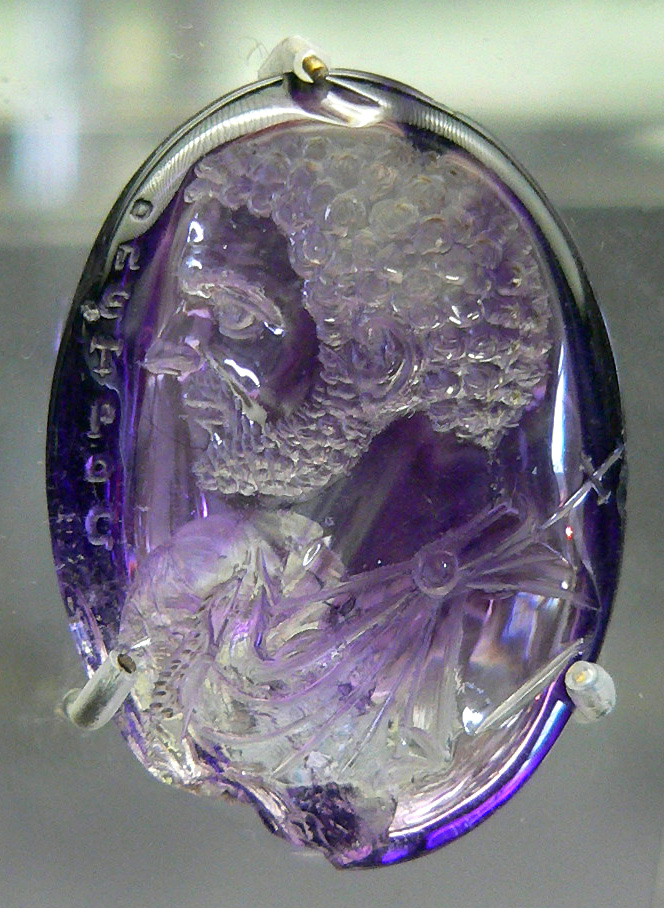


Common forms and parts
Some familiar categories include:
- Necklaces — strings or chains that may bear pendants or stones; see common examples like necklaces.
- Rings — worn on the fingers and often exchanged as symbols; compare to finger rings.
- Earrings, bracelets, brooches and pins — small ornaments attached to ears, wrists or garments; a brooch that once helped fasten a cloak might be richly decorated.
- Embellished accessories — belts and bags are often adorned; for example belts and handbags are commonly decorated with metalwork, studs or jewels.
Materials and construction
Jewellery is made from metals (gold, silver, platinum and alloys), gemstones (diamonds, sapphires, emeralds), organic materials (pearls, coral, amber) and modern synthetics (glass, cubic zirconia, plastics). Techniques include casting, forging, stone setting, enamelling and engraving. The choice of material affects appearance, durability and value.
History and cultural roles
Humans have worn ornaments for millennia. Archaeological finds show early beads and pendants used for status, ritual and identity. Across cultures jewellery has signified wealth, marital status, rank or protective power. Styles and materials evolved with trade, technology and changing tastes, from ancient metalworking to contemporary design and sustainable alternatives.
Uses, care and notable distinctions
Jewellery serves personal expression, ceremonial roles (weddings, rites of passage), investment and fashion. Care depends on material: precious metals are cleaned and polished carefully, gemstones have varying hardness and cleaning needs. Distinctions to note include costume jewellery (fashion-focused, lower cost) versus fine jewellery (precious materials, higher craftsmanship). Collecting and appraisal rely on maker, condition and provenance rather than appearance alone.
For more on styles, techniques and conservation, consult specialist resources or a trained jeweller. Contemporary discussions also address ethical sourcing, environmental impact and the rise of lab-grown gems and recycled metals.
Questions and answers
Q: What is jewellery?
A: Jewellery refers to any clothing accessory that is worn as a decoration.
Q: Is there any practical use of jewellery?
A: No, there is no practical use of jewellery other than looking attractive.
Q: Can accessories such as belts and handbags be considered jewellery?
A: Yes, accessories such as belts and handbags can be considered jewellery if they are decorated.
Q: What is a broach used for?
A: A broach is often worn to keep a cloak closed.
Q: Can a broach be decorated with jewels?
A: Yes, a broach can be highly decorated with jewels.
Q: What are the most usual kinds of jewellery?
A: The most usual kinds of jewellery are necklaces, finger rings and earrings.
Q: Does everyone wear jewellery?
A: No, not everyone wears jewellery.
Related articles
Author
AlegsaOnline.com Jewellery: Types, History, Materials, Uses, and Care Leandro Alegsa
URL: https://en.alegsaonline.com/art/50122