
Gang (social groups, youth groups, and criminal organizations)
A gang is a group of people who associate for common purposes. The term ranges from benign social groups to organized criminal networks, defined by membership, identity, and shared activity.
Overview
A gang is any group of people who associate closely and act together for shared purposes. Historically the English word comes from the Old English gan (“to go”) and is related to Old Norse gangr, meaning a group or company. In contemporary use, gang can describe anything from informal youth cliques to highly organized criminal enterprises. When the group’s activities are criminal or violent, its members are often referred to as gangsters.
Image gallery
8 Images


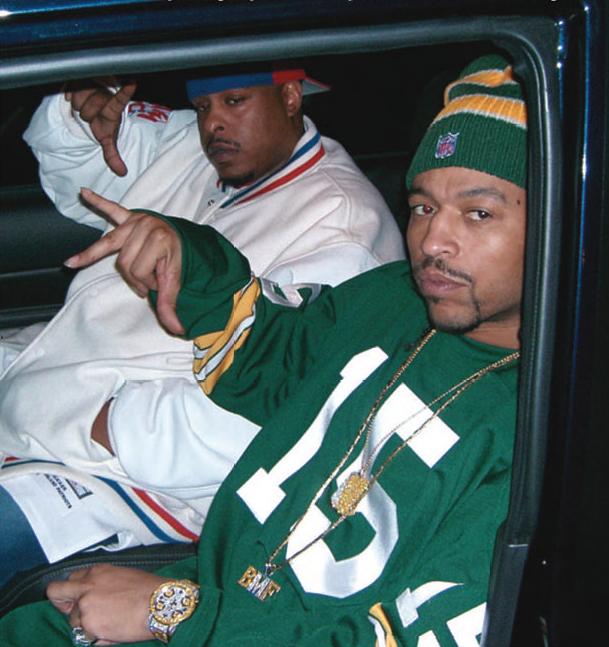

Common characteristics
- Membership: a bounded set of people who identify as members and often have shared symbols, names, or colors.
- Territory and identity: many gangs claim an area or neighborhood and create a sense of belonging through rituals or clothing.
- Hierarchy: some groups are loosely organized, others have clear ranks, leaders, and roles.
- Shared activities: these can range from socializing and mutual support to organized illegal businesses.
Why people join
Motivations for joining a gang are varied and often overlap. Young people may seek belonging, protection, or status. Economic incentives can be powerful: joining can provide opportunities to earn money through illicit means, or access to resources otherwise unavailable. Social pressures, family patterns, or limited alternatives in a neighborhood may also push individuals toward gang involvement.
- Economic motives: a chance to make money through illicit trade or organized crime, including the sale of goods such as illegal drugs or other profitable activities.
- Social needs: companionship, identity, and acceptance within a group.
- Safety and protection: joining for defense against rival groups or personal threats.
- Boredom and thrill-seeking: pursuing risk, status, or excitement.
Activities and social impact
Gangs engage in a spectrum of activities. Some provide social support, community networks, or cultural identity without illegal behavior. Others participate in crime such as drug trafficking, robbery, extortion, theft, and violent offenses. Criminal activity often harms communities by increasing insecurity, disrupting local economies, and drawing law enforcement attention. Common illegal activities include selling controlled substances and property crime such as stealing, while financial gains may motivate involvement in wider networks of crime (earning money).
Types and history
Gangs have existed in many societies and forms: youth street gangs, prison gangs, organized crime syndicates, and informal work gangs (a historical meaning). Over time some groups have evolved into sophisticated organized crime networks with transnational ties, while others remain small and local. The social causes and forms of gangs vary by place and era, shaped by economic conditions, migration, policing policies, and cultural factors.
Responses and distinctions
Responses to gangs include law enforcement, social services, education, community intervention, and programs that offer alternatives to at-risk youth. Effective approaches tend to combine prevention, opportunities for employment and education, and community-based support rather than relying solely on punitive measures. It is important to distinguish between non-criminal social groups and criminal gangs: not every group labeled a "gang" is engaged in illegality, and labels affect public perception and policy.
For further reading about language, history, or policy perspectives, see related resources via these links: etymology, organized crime, economic drivers, drug markets, property crime.
Questions and answers
Q: What is a gang?
A: A gang is a group of people who do things together.
Q: Where does the word “gang” come from?
A: The word “gang” comes from the Old English gan, which means “to go”.
Q: What is a gangster?
A: A gangster is a member of a criminal gang.
Q: Why do people join gangs?
A: People join gangs for various reasons. One reason is the chance to make money through illegal activities like drug selling and theft. Another reason is the desire to belong to a group, particularly among younger people. Boredom is also a third reason.
Q: What is the meaning of “gangr” in Old Norse?
A: “Gangr” in Old Norse means “a group of men”.
Q: Is it common for young people to join gangs?
A: Yes, it is common for young people to join gangs.
Q: What are some illegal activities that gangs engage in?
A: Some illegal activities that gangs engage in include drug selling and theft.
Related articles
Author
AlegsaOnline.com Gang (social groups, youth groups, and criminal organizations) Leandro Alegsa
URL: https://en.alegsaonline.com/art/37458
Sources
- commons.wikimedia.org : Gangs (organized crime)
- etymonline.com : "gang"
- people.howstuffworks.com : "HowStuffWorks "How Street Gangs Work""
- sanantonio.gov : "Youth Crime Service Unit "Gang Awareness""
- cis.org : "ICE and Local Law Enforcement Target Immigrant Gangs"
- hawaii.edu : "U.S. Gangs: Their Changing History"
- lang.dailynews.com : "Gang Terror in our streets"