
Historical novel: definition, development, and significance
A historical novel blends fictional characters and plot with real historical settings, events, and figures. It balances storytelling with research, varies in fidelity to facts, and spans many subgenres and purposes.
Overview
A historical novel is a work of fiction set in a recognizable past period that incorporates real people, events, social conditions, or material culture into its narrative. The genre aims to recreate an earlier time for readers, using imaginative stories to illuminate historical settings rather than to serve as primary historical accounts. For a concise reference definition see Encyclopædia Britannica.
Image gallery
6 Images
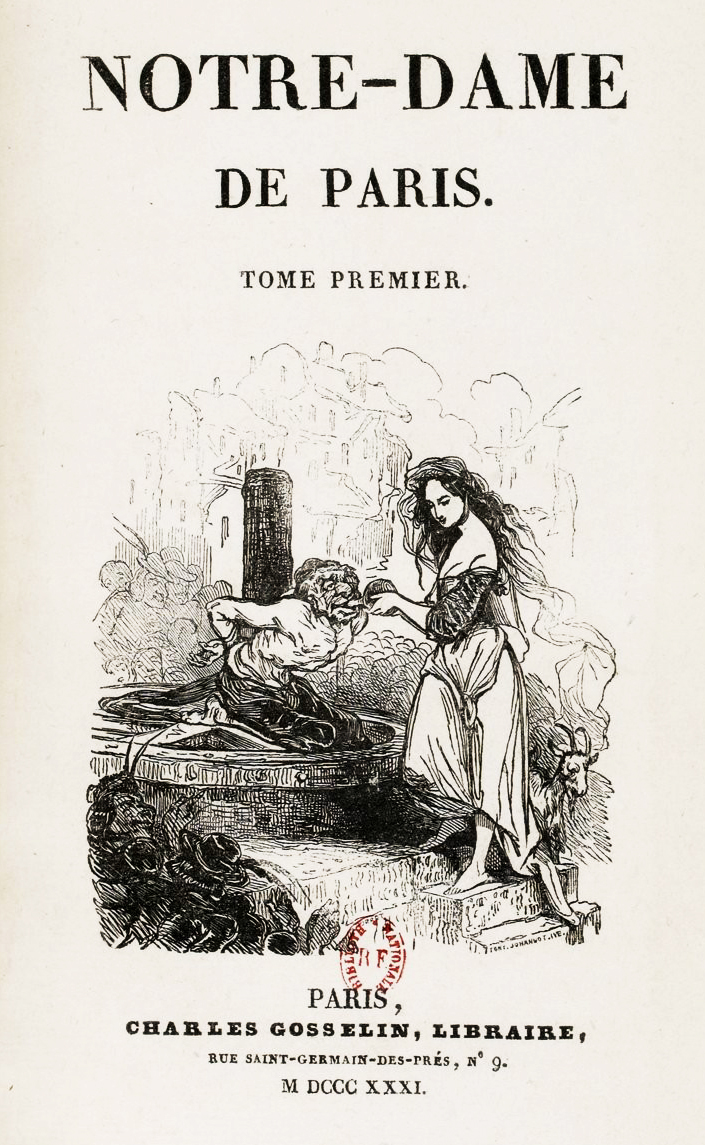


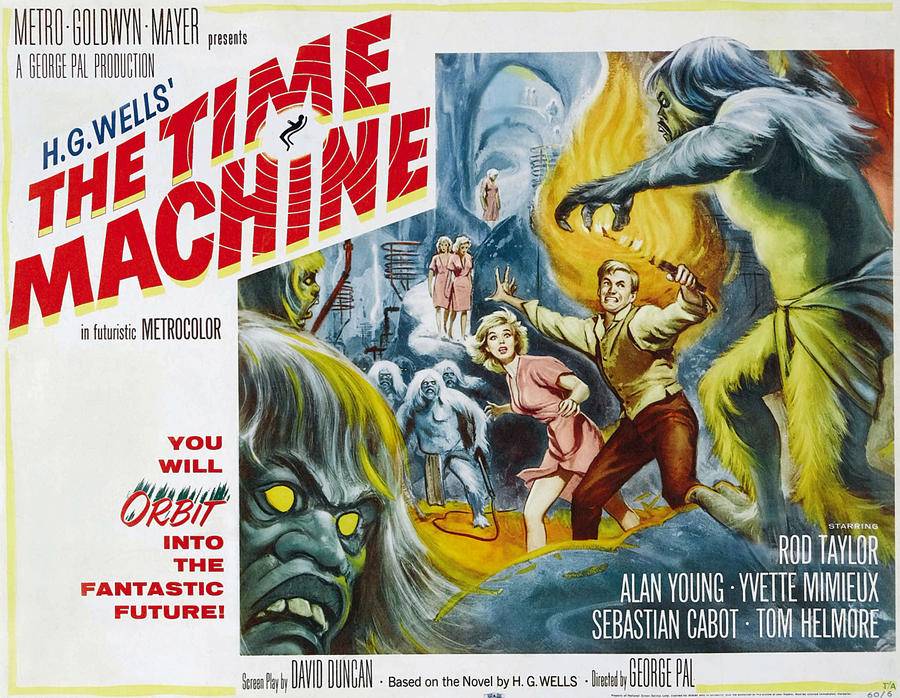

Characteristics
Historical novels typically combine careful research with invented characters and plots. Common features include attention to period detail (clothing, language, technology), integration of documented events or figures, and an effort to evoke contemporary attitudes and dilemmas. Authors make choices about accuracy, using devices such as invented protagonists who witness or influence historical events.
- Reliance on archival, secondary, or oral sources for authenticity
- Balancing anachronism risks against modern perspective
- Range from loosely historical backdrops to strict reconstruction
History and development
The modern genre became prominent in the early 19th century, when writers sought to dramatize national pasts and social change. Authors such as Sir Walter Scott are widely credited with popularizing the form. Since then the historical novel has evolved to cover diverse eras and viewpoints, including previously marginalized voices and global perspectives.
Uses, examples, and distinctions
Readers appreciate historical novels for entertainment, empathy-building, and a vivid sense of place. Notable examples range from intimate domestic tales to sweeping epics. The genre overlaps with historical romance, alternate history, and historical mystery, but it is distinct in its primary commitment to situating fictional action within a verifiable past rather than rewriting history or imagining divergent outcomes.
Related articles
Author
AlegsaOnline.com Historical novel: definition, development, and significance Leandro Alegsa
URL: https://en.alegsaonline.com/art/44446
Sources
- britannica.com : Brittanica.com