
Heart failure: causes, symptoms, diagnosis and treatment
Overview of heart failure: what it is, common causes and symptoms, how it is diagnosed, and standard treatments including medicines, devices and lifestyle care.
Heart failure is a clinical syndrome in which the heart cannot move enough blood to meet the body’s needs or can only do so at the cost of abnormal pressures and symptoms. In this condition the cardiac muscle’s ability to pump blood effectively is reduced, although the heart usually continues beating (unlike cardiac arrest). Heart failure may develop suddenly after an event such as a heart attack (acute onset) or may progress gradually over months to years (chronic). The term covers several distinct patterns of dysfunction, including reduced contraction (systolic) and impaired filling (diastolic) problems.
Image gallery
10 Images


Common causes and mechanisms
Many different disorders can lead to heart failure. Typical mechanisms include loss of muscle from prior myocardial infarction, sustained high blood pressure that strains the heart, chronic valve disease that alters flow through the chambers, and diseases that directly weaken heart muscle. Common causes are listed below:
- Valve disease that increases workload on heart chambers.
- Ischemic damage after heart attacks or reduced coronary blood supply.
- Long-standing hypertension and other conditions that affect the blood vessels.
- Cardiomyopathies, infections, toxins or metabolic disorders that impair muscle function.
Signs and symptoms
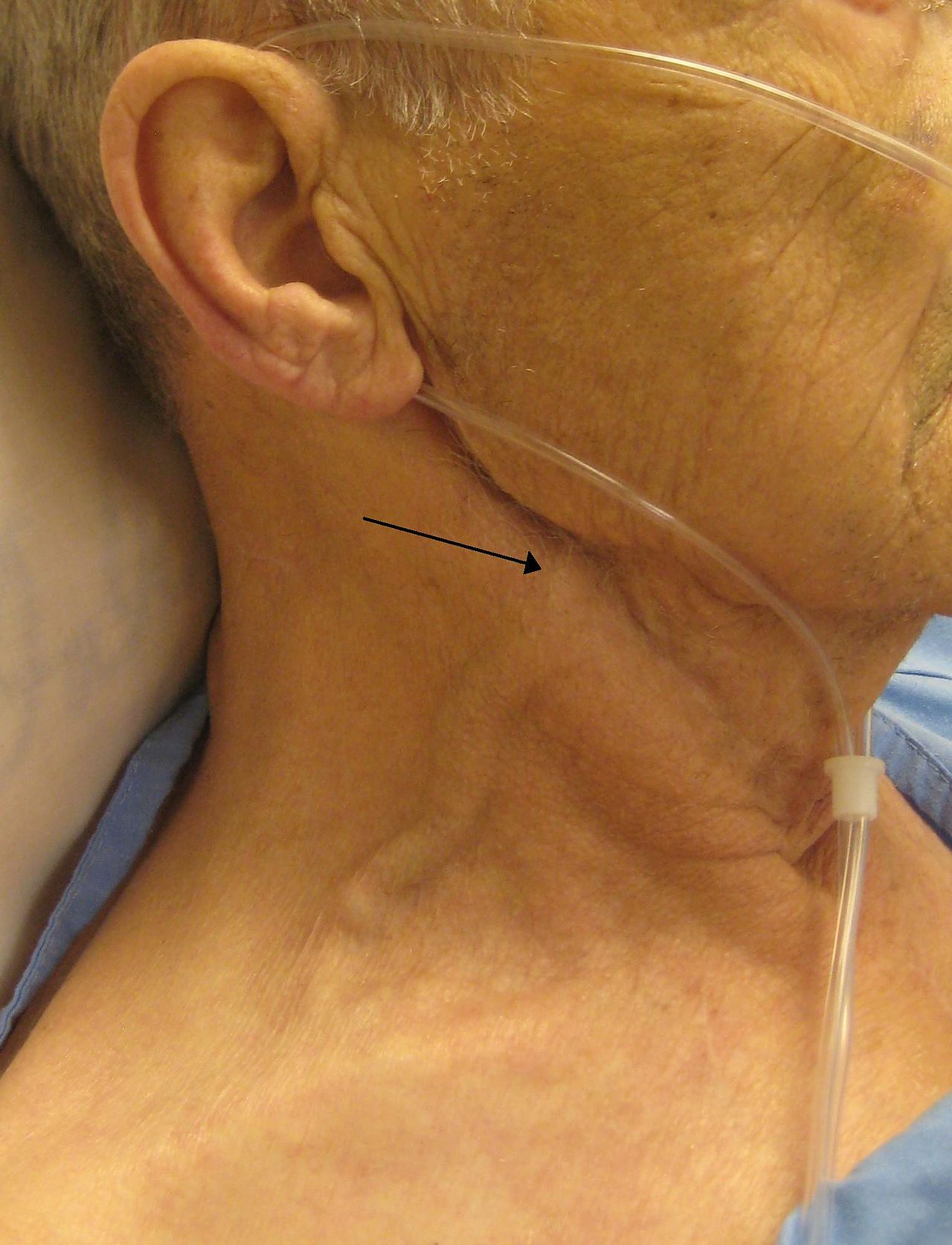
Symptoms stem from inadequate forward flow and from fluid backing up behind the failing chamber. Typical complaints include breathlessness on effort or at rest, often worse when lying flat and sometimes causing awakenings at night (shortness of breath and paroxysmal nocturnal dyspnea). Peripheral fluid retention produces leg swelling and abdominal fullness from liver congestion. Some patients notice increased need to urinate at night. Physical examination may show fast heart rate, crackles in the lungs, enlarged liver (liver congestion) and peripheral edema.
Diagnosis and tests
A clinician evaluates suspected heart failure by taking a focused history and performing a cardiac and systemic exam. The working diagnosis is supported by simple investigations: chest radiography to look for fluid and heart size (X-ray), blood tests including markers of kidney and cardiac function (blood tests), and cardiac imaging such as an echocardiogram (cardiac ultrasound) to measure chamber size and pumping function. Additional studies—electrocardiography, stress testing or invasive catheterization—may be used to identify underlying causes.
Treatment and management
Treatment aims to relieve symptoms, correct or control causes, prevent deterioration and improve quality of life. Core approaches combine lifestyle measures, medications and, when indicated, devices or surgery. Typical elements include:
- Medications: diuretics to remove excess fluid (diuretic therapy), drugs that reduce workload and remodelling (ACE inhibitors, beta-blockers, mineralocorticoid antagonists) and agents to treat comorbid conditions.
- Devices: pacemakers or cardiac resynchronization devices can improve coordination of contraction in selected patients (pacemaker).
- Advanced therapies: in refractory cases heart transplantation (transplant) or ventricular assist devices may be considered.
Other important measures are rehabilitation, sodium and fluid management, immunizations and education about symptoms that require urgent care. Medicines to lower cholesterol (statins) and to treat blood pressure or rhythm problems are commonly part of long-term care.
Distinguishing acute decompensated heart failure from chronic, compensated heart failure matters for treatment timing: sudden fluid accumulation or low output often requires urgent hospitalization and diuresis, while stable chronic heart failure focuses on optimization of daily therapy. For accessible patient information and clinical guidelines see resources linked by clinicians and health systems (overview, blood flow, progression, symptoms, edema, valve problems, diagnostic steps, vascular, pulmonary, hepatic effects, imaging, echo, laboratory, transplantation, diuretics, device therapy).
Related articles
Author
AlegsaOnline.com Heart failure: causes, symptoms, diagnosis and treatment Leandro Alegsa
URL: https://en.alegsaonline.com/art/43080