
Artificial pacemaker (cardiac pacemaker)
An implanted medical device that uses timed electrical impulses to maintain or restore a normal heart rhythm; types, parts, history, uses, and distinctions explained.
Overview
An artificial pacemaker is a small medical device implanted in the body to regulate the heartbeat. It monitors the heart's intrinsic electrical activity and delivers timed electrical pulses when the heart's natural rhythm is too slow, too irregular, or absent. Pacemakers treat problems of heart rhythm (arrhythmias) that can cause symptoms such as fatigue, dizziness, fainting, or heart failure.
Image gallery
10 Images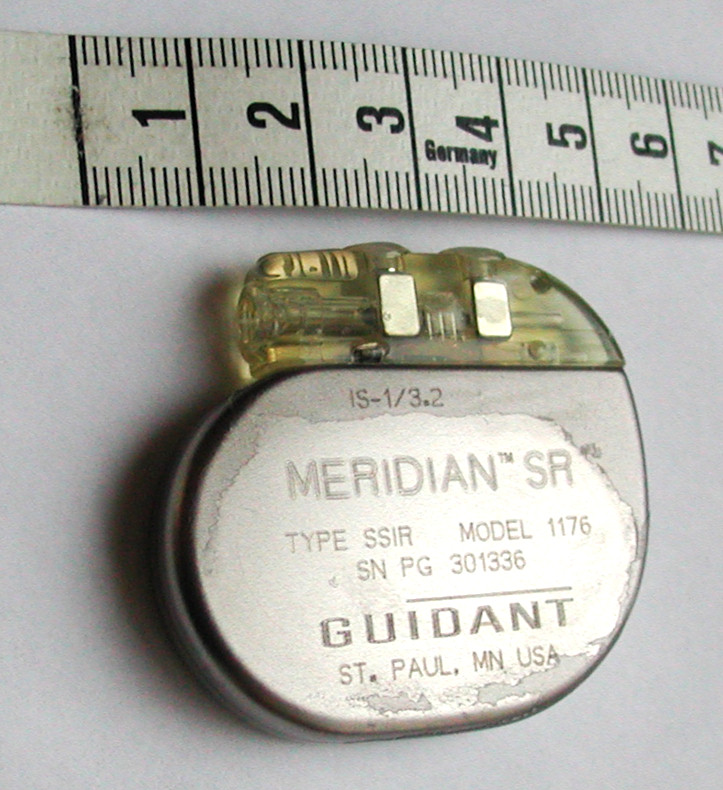




Components and common types
Most pacemakers consist of a pulse generator (containing a battery and electronics) and one or more leads that carry electrical signals to the heart muscle. Variants include:
- Single-chamber pacemakers: one lead, usually to the right ventricle.
- Dual-chamber pacemakers: two leads, typically to the right atrium and right ventricle, to coordinate atrial and ventricular timing.
- Biventricular (cardiac resynchronization) devices: leads placed to stimulate both ventricles for patients with heart failure.
- Leadless pacemakers: self-contained units implanted directly inside the heart without transvenous leads.
How it works
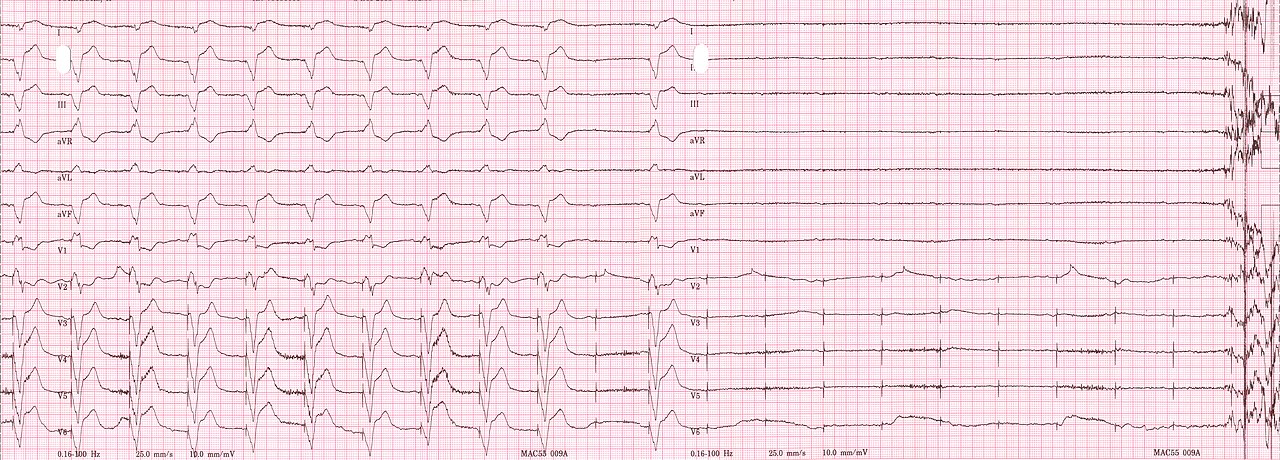
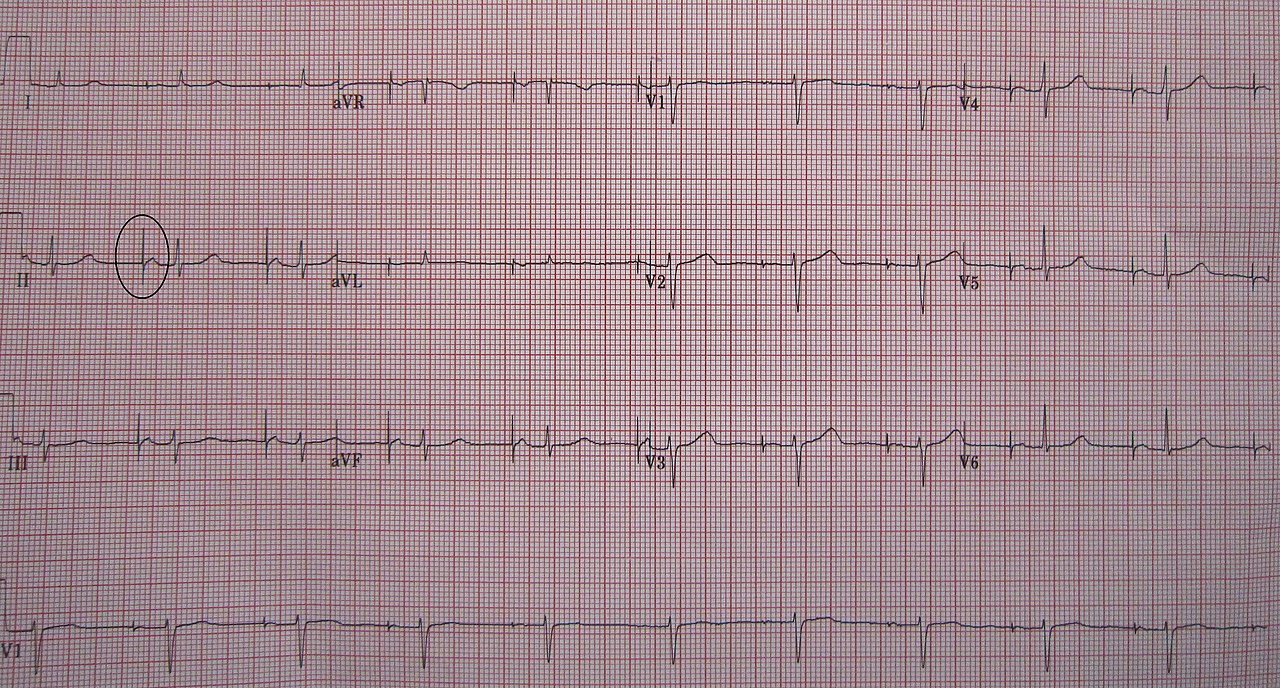
A pacemaker senses the heart's own electrical impulses and decides whether to deliver a pacing pulse. Modern devices can adjust pacing rate in response to activity (rate-responsive pacing), log events for clinicians, and communicate wirelessly with programmers. Settings are programmed noninvasively by clinicians to match an individual patient's needs.
History and development
Electronic pacemakers were developed in the mid-20th century as techniques for cardiac surgery and electrotherapy advanced. Early portable and wearable designs led to implantable pulse generators. Innovators such as Earl Bakken played roles in making battery-powered pacemakers more practical. The devices evolved from large external units to small, long-lived implants used worldwide.
Uses, procedure and follow-up
Indications include symptomatic bradycardia, certain types of heart block, and heart failure requiring resynchronization. Implantation is typically performed under local anesthesia with x-ray guidance to position leads through a vein into the heart. After implantation, patients have periodic follow-up for device checks, battery status, and programming adjustments. Many devices are MRI-conditional or have special considerations for imaging.
Notable distinctions and considerations
Pacemakers are distinct from implantable cardioverter-defibrillators (ICDs), which also treat life-threatening fast rhythms by delivering shocks. Risks of pacemaker therapy include infection, lead displacement, and device malfunction, but benefits for appropriate patients are substantial. For general information about cardiac anatomy and rhythm, see the heart.
Note: Technology continues to advance, improving battery life, miniaturization, and remote monitoring capabilities, expanding options for many patients.
Related articles
Author
AlegsaOnline.com Artificial pacemaker (cardiac pacemaker) Leandro Alegsa
URL: https://en.alegsaonline.com/art/6354