
Heart rate: definition, measurement, influences and clinical importance
Heart rate is the number of heartbeats per minute (bpm). This article explains how it is measured, typical ranges, factors that change it, clinical meanings, history and practical uses.
Overview
The heart rate is the frequency at which the heart contracts, expressed in beats per minute (bpm). It indicates how often blood is pumped through the circulatory system and is one of the simplest vital signs. Typical resting values for adults are commonly cited between 60 and 100 bpm, with many healthy adults averaging toward the lower part of that range; well-trained athletes often have lower resting rates.
Image gallery
10 Images





How it is measured
Heart rate can be obtained by palpating a pulse, by electronic monitors, or by electrocardiography (ECG). Common palpation points include the radial artery at the wrist and the carotid artery in the neck. Consumer wearables and chest straps use optical or electrical sensors to report beats per minute in real time.
- Manual pulse: count beats for 60 seconds or for 30 seconds and multiply by two.
- ECG: measures electrical activity and allows precise determination of rate and rhythm.
- Wearables: convenient for continuous monitoring but may vary in accuracy depending on activity and device.
Major influences on heart rate
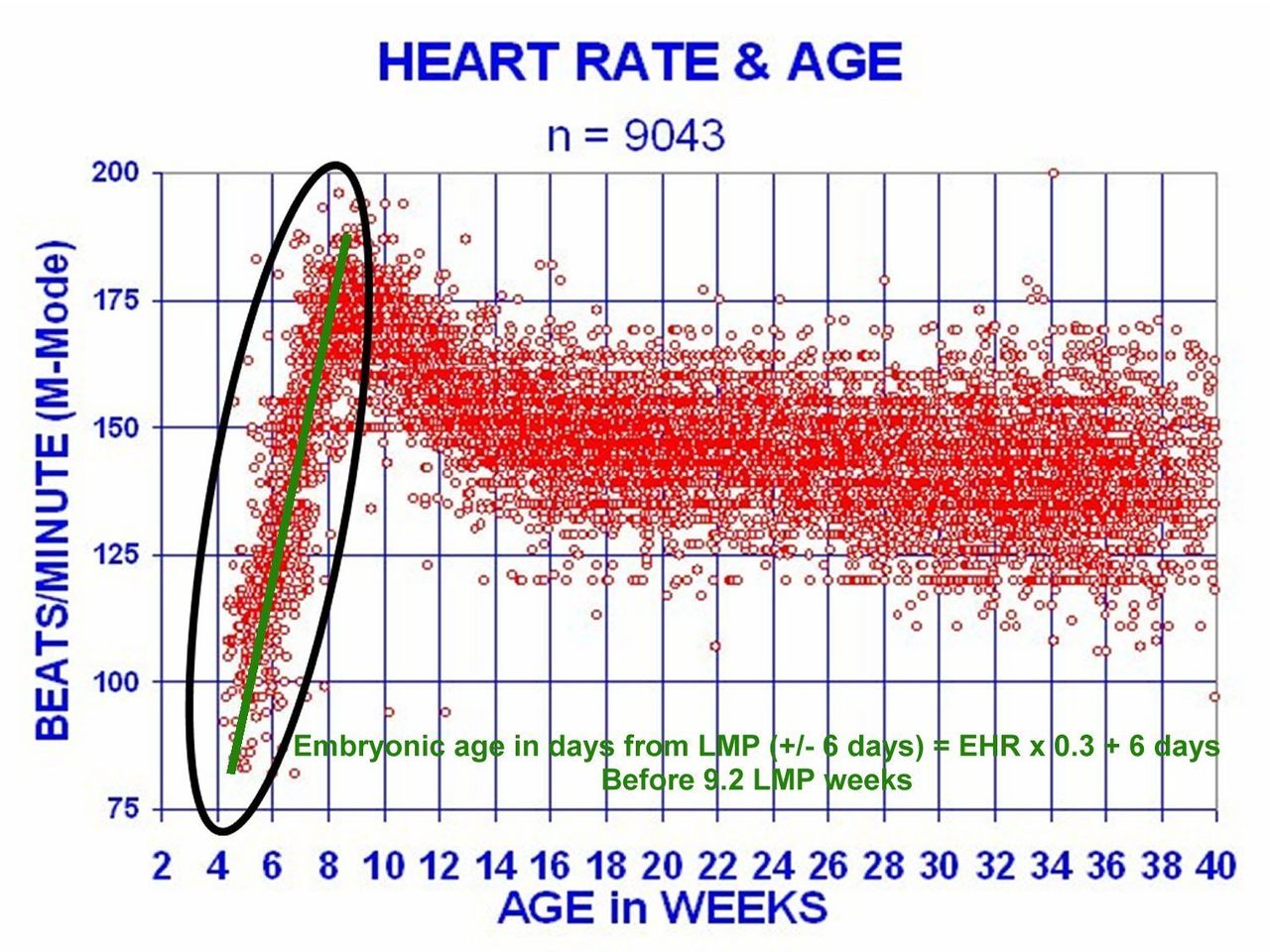
Heart rate varies between individuals and over time. Physical fitness, body position, temperature, emotional state, medications, and illness all affect the rate. Two commonly cited personal factors are age (children usually have higher resting rates than adults) and genetics. Physical conditioning typically lowers resting heart rate; stimulants and fever tend to raise it.
Clinical ranges and related concepts
Clinicians often use simple thresholds: rates less than about 60 bpm are termed bradycardia and rates above about 100 bpm are termed tachycardia, though context matters. Heart rate describes frequency; heart rhythm describes the regularity of beats. Heart rate variability (HRV) is a separate measure of beat-to-beat fluctuations and is used as an indicator of autonomic nervous system balance.
Uses, examples and brief history
Heart rate is used to assess fitness, guide exercise intensity (target zones are often given as percentages of an estimated maximum), and monitor recovery or illness. Knowledge of the pulse dates back to antiquity, while electrocardiography for detailed measurement was developed in the early 20th century. Modern wearable technology has expanded everyday access to continuous heart-rate data.
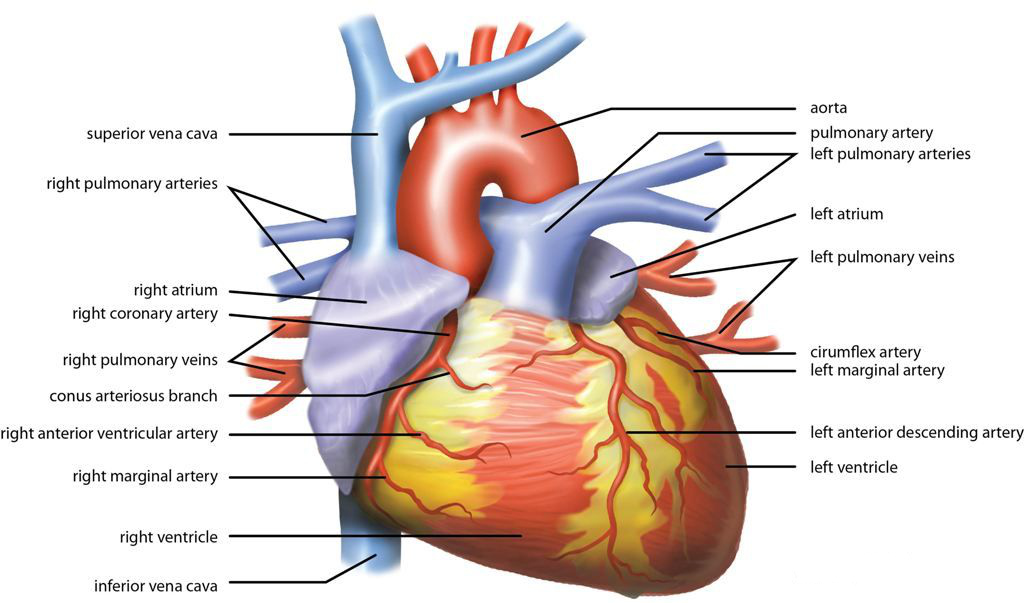
For additional background on the organ that generates the heartbeat see heart.
Related articles
Author
AlegsaOnline.com Heart rate: definition, measurement, influences and clinical importance Leandro Alegsa
URL: https://en.alegsaonline.com/art/43085
Sources
- med.umich.edu : med.umich.edu/1libr/aha/aha_tachycar_car.htm
- mayoclinic.org : "2 easy, accurate ways to measure your heart rate"