
Cardiac arrest: causes, recognition, treatment and prevention
Cardiac arrest is the sudden loss of effective heart function. This article describes causes, physiology, recognition, immediate response, treatments, outcomes and public-health measures to reduce deaths.
Overview
Cardiac arrest is the abrupt cessation of effective heart function when the heart stops pumping and cannot maintain circulation. The resulting loss of blood flow deprives organs and tissues of oxygen, causing rapid cellular injury. Cardiac arrest is distinct from, though often related to, a heart attack (myocardial infarction), which involves blocked blood supply to part of the heart muscle. In cardiac arrest the normal circulation of blood fails because the heart no longer contracts effectively, and individual cells suffer from lack of oxygen.
Image gallery
10 Images


Common causes and mechanisms
Cardiac arrest can be triggered by sudden electrical disturbances of the heart such as ventricular fibrillation or sustained ventricular tachycardia. Acute ischemia during a heart attack is a frequent precipitant. Other causes include severe electrolyte imbalance, progressive heart failure, structural heart disease, major blood loss, respiratory arrest, drug toxicity and severe trauma. Underlying conduction system disease or inherited arrhythmia syndromes can also predispose susceptible individuals to sudden collapse.
Pathophysiology and time course
When the heart stops pumping, tissues quickly become ischemic. The brain is particularly vulnerable: unless circulation is restored, neuronal injury usually begins within minutes and irreversible brain damage commonly occurs after about three to five minutes in normothermic patients. Low body temperature (hypothermia) can slow metabolism and prolong the window for recovery. In some clinical settings controlled cooling (targeted temperature management) is applied after resuscitation to limit neurological injury.
Recognition and immediate response
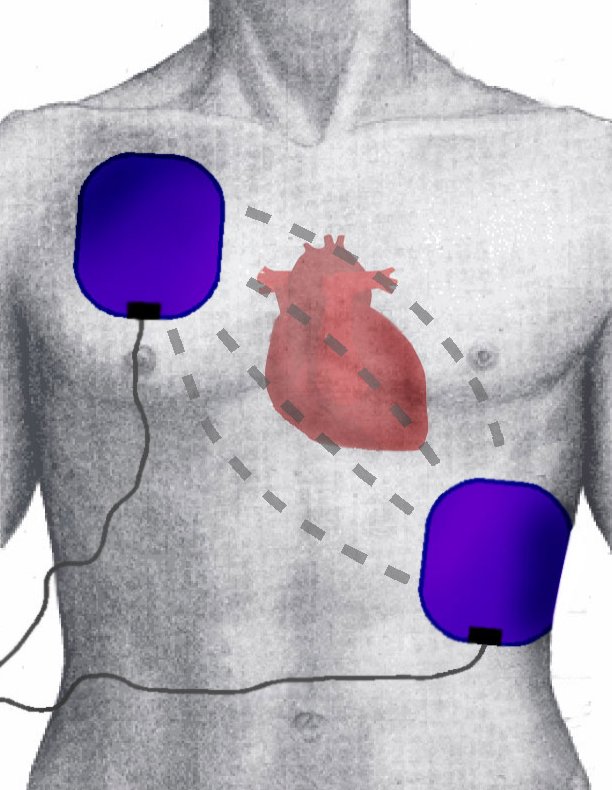
Recognizing cardiac arrest promptly is vital. Typical signs include sudden collapse, loss of consciousness, absence of normal breathing or only gasping respirations, and no detectable pulse. Cardiac arrest is a medical emergency. Bystander action markedly influences outcomes: call emergency services immediately, start chest compressions without delay, and use an automated external defibrillator (AED) when available. Hands-only chest compressions are recommended for untrained rescuers; trained rescuers provide high-quality cardiopulmonary resuscitation (CPR) including ventilations when appropriate. Basic first aid and CPR maintain oxygen delivery until advanced care arrives.
Hospital care and advanced interventions
Advanced life support includes defibrillation for shockable rhythms, airway and breathing support, intravenous medications such as vasopressors, and treatment directed at reversible causes (for example, restoring coronary blood flow after an occlusion). In selected patients extracorporeal life support (ECLS/ECMO) can provide temporary circulatory support. After return of spontaneous circulation (ROSC), intensive post‑arrest care focuses on stabilizing hemodynamics, protecting the brain (sometimes with controlled temperature management), and identifying and treating the underlying cause to reduce the risk of recurrence and improve long‑term outcome.
Outcomes and prognosis
Survival after cardiac arrest varies widely and depends on factors such as whether the arrest was witnessed, the initial rhythm, the time to bystander CPR and to defibrillation, preexisting health conditions, and the quality of post‑resuscitation care. When resuscitation fails and cardiac arrest leads to death it is termed sudden cardiac death. Neurological outcome is closely linked to the duration of ischemia and the timeliness of effective resuscitation.
Prevention and public health strategies
Prevention targets both individual risk reduction and community readiness. Managing cardiovascular risk factors (blood pressure, cholesterol, diabetes, smoking cessation and physical activity), diagnosing and treating coronary disease, and identifying people at high risk for fatal arrhythmias can lower the incidence of cardiac arrest. Implantable cardioverter‑defibrillators (ICDs) are effective for preventing sudden death in specific high‑risk populations. Public-health measures that improve survival include widespread CPR training, placing AEDs in public venues, and systems that shorten response and defibrillation times.
Practical advice for bystanders
- Ensure the scene is safe, then check responsiveness and breathing; if unresponsive and not breathing normally, call emergency services immediately.
- Begin chest compressions at once—push hard and fast on the centre of the chest; if trained, combine compressions with rescue breaths as instructed by local guidelines.
- Use an AED as soon as one is available and follow its voice prompts; early defibrillation strongly improves survival in shockable rhythms.
- Continue CPR until professional help arrives or the person shows clear signs of recovery.
- Consider formal training in CPR and basic life support to increase confidence and effectiveness as a rescuer.
Further information and resources
For authoritative clinical guidance, training and local protocols consult accredited resuscitation councils, health authorities and educational organisations. Examples of resources include: general heart health information, myocardial infarction guidance, circulatory support and emergency care, blood and oxygen transport physiology, cardiac contractile function, cellular responses to ischemia, oxygen delivery and hypoxia, recognition of unconsciousness, hypothermia and therapeutic cooling, brain injury after cardiac arrest, emergency medical services and response, sudden cardiac death prevention, first aid basics, and CPR training and guidelines.
Author
AlegsaOnline.com Cardiac arrest: causes, recognition, treatment and prevention Leandro Alegsa
URL: https://en.alegsaonline.com/art/16929