
Dyspnea (Shortness of Breath): Causes, Evaluation, and Management
Dyspnea is the subjective experience of breathing discomfort. This entry explains its mechanisms, common causes, clinical assessment, acute and chronic management, and key distinctions for diagnosis.
Dyspnea, also spelled dyspnoea, is the subjective sensation of difficult, labored, or uncomfortable breathing commonly described as shortness of breath. It is a symptom rather than a diagnosis and can range from mild exertional discomfort to severe air hunger at rest. Because it reflects many different underlying problems, careful assessment is essential to guide appropriate treatment.
Image gallery
3 Images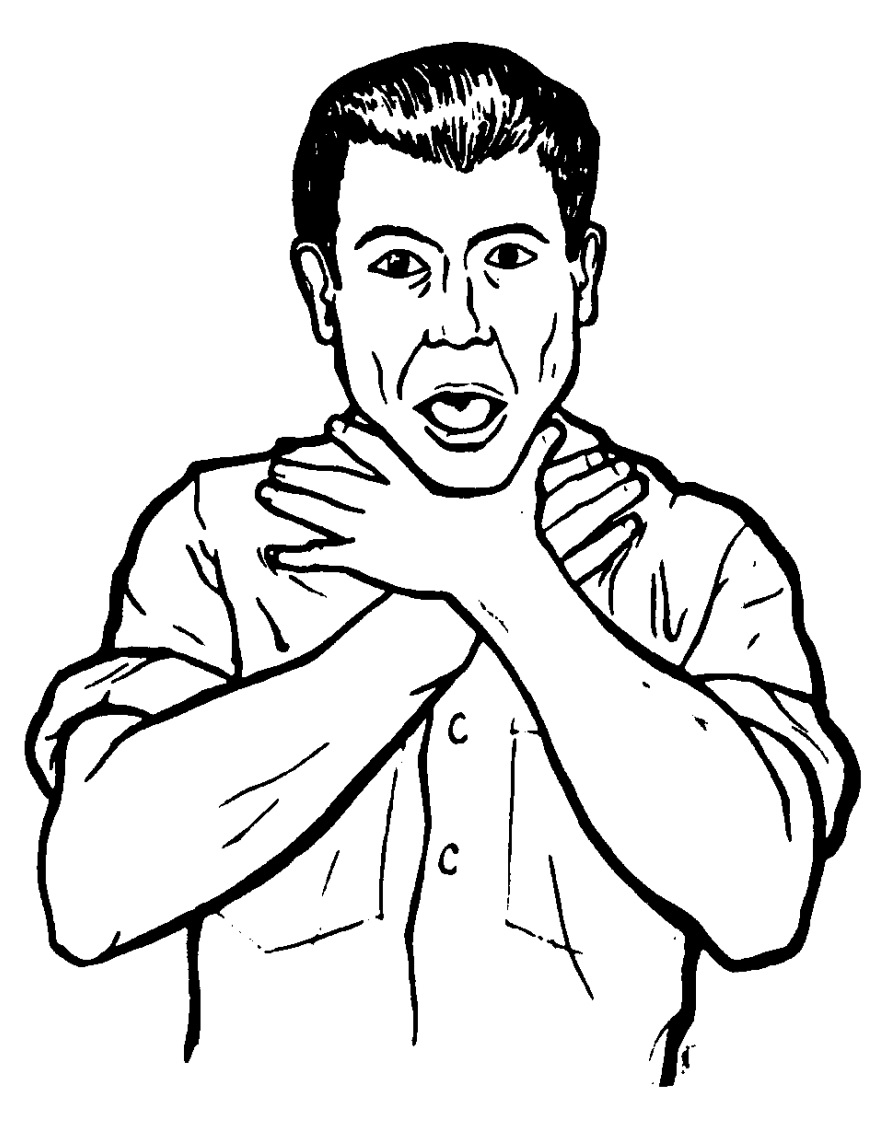

How dyspnea arises
Perception of breathlessness results from a mismatch between the brain’s respiratory drive and afferent signals from the lungs, chest wall, and chemoreceptors. Causes may increase respiratory drive (hypoxia, acidosis) or reduce the ability to ventilate (airway obstruction, weak respiratory muscles), producing the familiar sensation.
Common causes
- Cardiac: heart failure, myocardial ischemia, valvular disease
- Pulmonary: asthma, chronic obstructive pulmonary disease (COPD), pneumonia, pulmonary embolism, interstitial lung disease
- Hematologic and metabolic: anemia, acid–base disorders
- Neuromuscular and structural: diaphragmatic weakness, obesity, chest wall deformities
- Psychogenic and environmental: anxiety, panic attacks, high altitude, smoke inhalation
Evaluation
Clinical assessment begins with history and focused physical examination to determine onset, triggers, and associated signs (fever, chest pain, leg swelling). Vital signs, oxygen saturation, and basic testing (chest radiograph, ECG, blood tests) help distinguish life‑threatening causes. Clinicians commonly use simple scales (e.g., MRC or Borg) to quantify severity and follow response to treatment.
Management
Treatment is directed at the underlying cause: bronchodilators and steroids for obstructive lung disease; diuretics and afterload reduction for heart failure; anticoagulation for pulmonary embolism; oxygen for hypoxemia. Nonpharmacologic measures—breathing strategies, pulmonary rehabilitation, and psychological support—are central for chronic dyspnea. In acute severe cases, airway support and rapid targeted therapy are priorities.
Dyspnea is common and may signal reversible or life‑threatening illness. Timely recognition of red flags (sudden severe breathlessness, cyanosis, hemodynamic instability) and prompt investigation improve outcomes. Long‑term management focuses on treating the root disorder and optimizing symptom control and quality of life.
Related articles
Author
AlegsaOnline.com Dyspnea (Shortness of Breath): Causes, Evaluation, and Management Leandro Alegsa
URL: https://en.alegsaonline.com/art/29447