
Blood test (bloodwork): purpose, types, and clinical uses
Blood tests analyze blood samples to assess health, diagnose disease, monitor organ function, and detect substances. Overview of methods, common measurements, history, and practical considerations.
Blood tests, often called bloodwork, are laboratory procedures that evaluate components of the blood to provide information about a person's health. A blood test begins with collecting a sample and ends with analysis in a clinical laboratory. Results can indicate infections, metabolic imbalances, organ function, nutritional status, and exposure to medications or toxins. Many routine medical decisions rely on blood test data.
Image gallery
3 Images
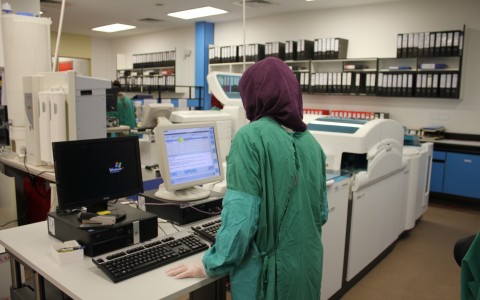

Sampling and common methods
Samples are most often taken from a vein using a syringe and needle, or by a small puncture of the fingertip for capillary blood. Venous sampling is typical for comprehensive panels because it supplies enough volume for multiple assays. Point-of-care devices use smaller samples and give rapid results for selected measurements.
Typical collection steps: identification, site preparation, venipuncture or fingerstick, labeling, and transport to a lab. A modern clinical facility will follow standardized chains of custody and quality controls to preserve sample integrity. For more on laboratory procedures see laboratory practices.
What blood tests measure
- Complete blood count (CBC) — red and white cell counts, hemoglobin, platelets.
- Basic metabolic panel (BMP) or comprehensive metabolic panel (CMP) — electrolytes, glucose, kidney and liver indicators.
- Hormones — thyroid, reproductive, and adrenal function tests.
- Markers of infection or inflammation — e.g., C-reactive protein, cultures, antibodies.
- Substance monitoring — therapeutic drug levels, toxicology screens for certain illegal drugs or prescribed medications.
History and development
Blood examination has evolved from simple visual inspection to sophisticated biochemical, immunologic, and molecular assays. Early physicians recognized the diagnostic value of blood appearance; later developments included microscopy, chemical reagents, and automated analyzers that increased speed, accuracy, and the range of measurable substances.
Clinical uses and examples
Blood tests support diagnosis (for example, detecting disease markers), monitor chronic conditions, guide therapy (drug dosing and effectiveness), and screen for nutritional or mineral deficits such as mineral levels. They also confirm exposure to pathogens and evaluate organ function after suspected poisoning.
Important distinctions and practical notes
- Sample type: venous, arterial, or capillary blood have different uses and results; know when each is appropriate.
- Pre-test conditions: fasting, medications, exercise, and hydration can change values.
- Interpretation requires clinical context; a single abnormal value often needs repeat testing or correlation with symptoms.
- Collection technique matters: the site (vein vs finger), the use of a vein or needle, and handling affect results and patient comfort. Samples are labeled and tracked to the sample source and sent to a certified laboratory for analysis.
Because blood testing covers broad clinical needs, practitioners select panels tailored to the question at hand. When in doubt about preparation, timing, or meaning of results, consult healthcare professionals or the testing laboratory for guidance.
Related articles
Author
AlegsaOnline.com Blood test (bloodwork): purpose, types, and clinical uses Leandro Alegsa
URL: https://en.alegsaonline.com/art/12261
Sources
- medicalassistantonlineprograms.org : "Blood Panel"