
Electrode
An electrode is a conductor used to make electrical contact with a non-metal part of a circuit or an electrolyte; used in batteries, electrolysis, sensors, medical leads and welding.
Overview
An electrode is a piece of conductive material that provides a path for electric charge to enter or leave a medium. In general usage an electrode functions as an electrical conductor that carries charge or current into a device, a solution, a gas, or biological tissue. It makes electrical contact where a direct metal-to-metal connection is not present, for example across an ionic solution or through skin.
Image gallery
6 Images


Types and polarities
Electrodes are commonly classified by the direction of charge flow: the anode and the cathode. Which terminal is which depends on the process: in electrolytic cells the anode is oxidation and the cathode is reduction, while in galvanic (battery) cells the polarities are reversed relative to external current. The terms also guide practical design and labeling in equipment.
Materials and construction
Typical electrode materials include metals (gold, platinum, copper), carbon, metal oxides and conductive polymers. Choice depends on conductivity, corrosion resistance, catalytic activity and biocompatibility. Construction varies from simple wires or plates to layered, porous, or coated structures that improve contact area, selectivity, or longevity.
Common applications
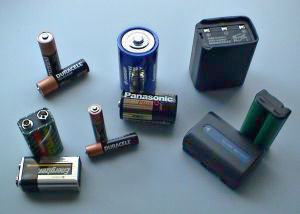
- Electrochemical cells and batteries, where electrodes store and release energy.
- Electrolysis and plating, using electrodes to drive chemical reactions.
- Sensors and instrumentation (pH, gas sensors, voltammetry).
- Medical electrodes for ECG, EEG and stimulation, where skin-contact design and safety are essential.
- Industrial uses such as welding and corrosion protection.
History and practical notes
Early studies of electrodes date to experiments with voltaic piles and electrolysis in the 19th century; terminology and theory developed with electrochemistry. Practically, electrode performance depends on surface area, contact resistance, and chemical stability. Designers often pair electrodes with electrolytes or reference electrodes to control potential and measure reactions accurately.
For further technical definitions and standards, see resources on conductive contacts and circuit interfaces: charge transport, contact methods and the distinction between anode and cathode.
Related articles
Author
AlegsaOnline.com Electrode Leandro Alegsa
URL: https://en.alegsaonline.com/art/30717