
Zirconium (Zr): properties, occurrence, uses, and history
Zirconium is a lustrous, corrosion-resistant transition metal (Zr, atomic number 40) used in alloys, nuclear cladding, ceramics and medical devices. Overview of properties, production, and applications.
Overview
Zirconium is a lustrous, silver-grey transition metal with the chemical symbol Zr and atomic number 40. It is assigned to group 4 of the periodic table and is classified as a transition element. Zirconium occurs naturally mainly in the mineral zircon and is extracted for industrial use. Its low affinity for neutrons and good corrosion resistance make it distinctive among engineering metals. For a general reference see chemical element.
Image gallery
5 Images


Characteristics and physical properties
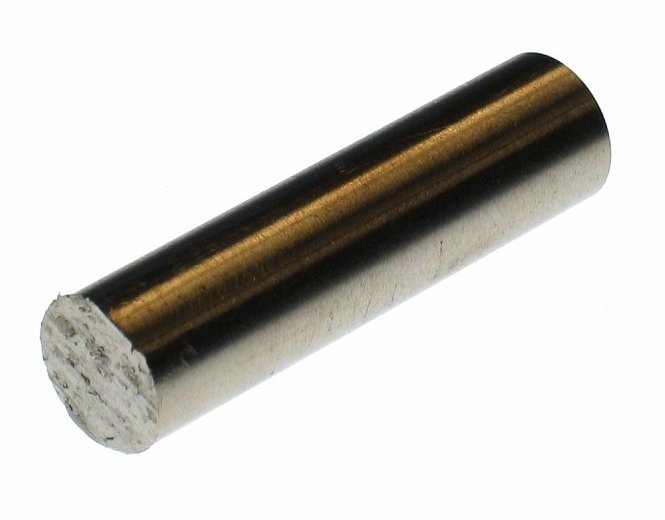
Zirconium forms a hard, ductile metal that resists many forms of chemical attack, particularly in neutral and slightly alkaline environments. It readily forms a protective oxide film that improves corrosion resistance. The metal and its alloys combine mechanical strength with good thermal stability, and many of its applications exploit these properties. More technical details are discussed in resources on metal properties and the atomic number placement on the periodic table.
History and production
Zirconium was identified in the late 18th century after the mineral zircon was examined by chemists. The element was isolated later as techniques for metal reduction improved. Today it is produced from zirconium-bearing minerals by chemical processing and reduction steps to obtain the metal or its alloys. Modern production emphasizes removal of hafnium, a chemically similar element, because hafnium's neutron-absorbing behavior affects nuclear applications.
Uses and applications
- Nuclear industry: Zirconium alloys are widely used as cladding for nuclear fuel rods because of their low neutron absorption and good corrosion resistance in reactor environments. See nuclear fuel cladding for context.
- Alloys and engineering: Zirconium strengthens alloys for high-temperature and corrosive applications, including aerospace components and chemical processing equipment.
- Ceramics and refractories: Compounds such as zirconia (zirconium dioxide) are used in ceramics, thermal barrier coatings, and as a stable refractory material.
- Medical and other uses: Biocompatible zirconium alloys and coatings appear in surgical devices and dental implants; zirconium compounds are also used in pigments and catalysts.
Safety and notable facts
Bulk zirconium is generally stable, but finely divided zirconium powder is reactive and can burn. Handling guidelines focus on preventing ignition of dust and managing corrosion-resistant components appropriately. The separation from hafnium and the formation of diverse ceramic and metallic products are two notable aspects that shape zirconium's industrial role.
For introductory information and technical summaries consult general references on the chemical element, metallurgy guides on metal behavior, and resources that explain placement by atomic number on the periodic table. Additional applied perspectives on reactor materials are available in nuclear engineering literature and discussions of fuel cladding.
Related articles
Author
AlegsaOnline.com Zirconium (Zr): properties, occurrence, uses, and history Leandro Alegsa
URL: https://en.alegsaonline.com/art/110653