
Gudrun Pausewang: German Author Known for Youth Fiction and Dystopian Themes
Biography and overview of Gudrun Pausewang, a German children's and young-adult author noted for works addressing war, nuclear disaster and social responsibility, including Die Wolke.
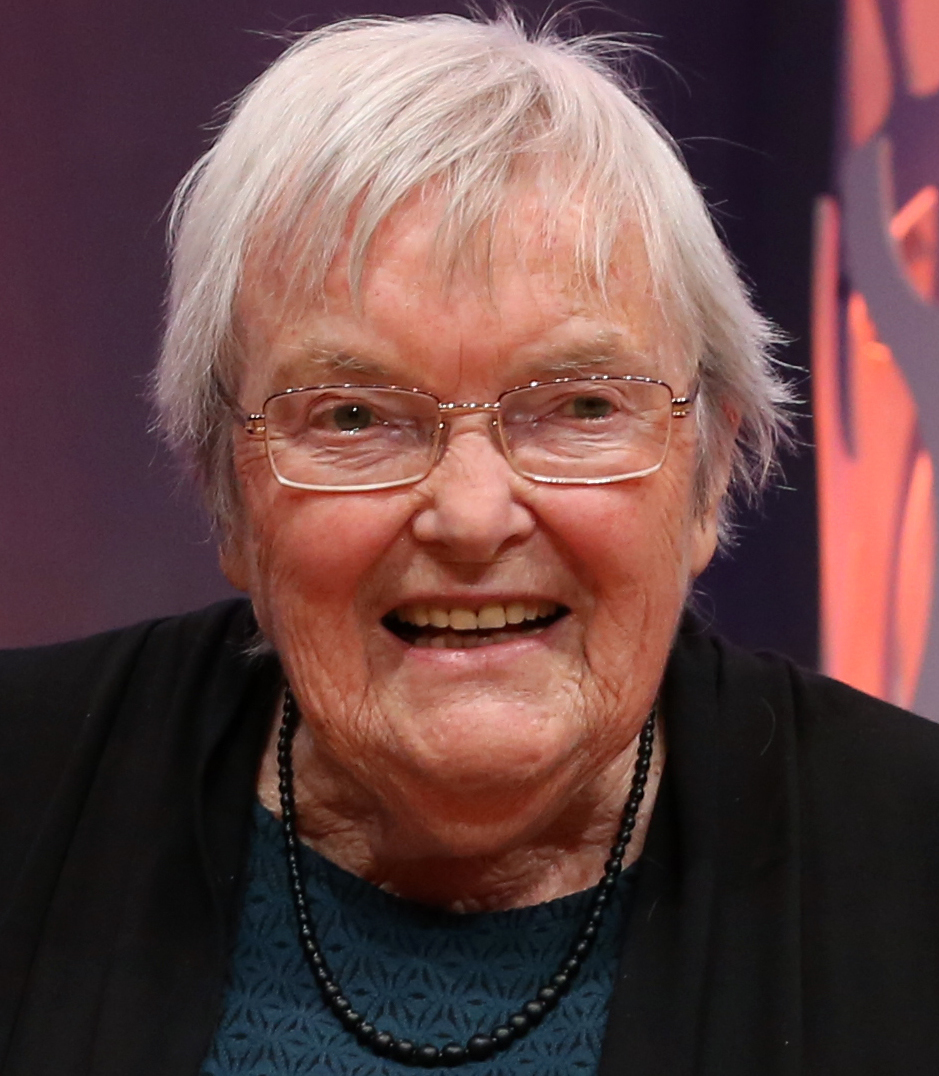
Gudrun Pausewang was a German writer celebrated for novels and stories aimed at children and young adults that confront social and environmental dangers. Born in Mladkov and later working as a teacher, she combined direct experience with a moral urgency that made her books frequently used in schools and widely discussed beyond literary circles. Her writing often treats catastrophe, ethics and the responsibilities of ordinary people in crisis.
Image gallery
4 Images


Life and travels
Pausewang was born in Mladkov and spent formative years working as an educator abroad. She taught at German-language schools in Chile and Venezuela and spent a notable period at the German School in Barranquilla, Colombia. Her career included extended travel across the Americas — visiting parts of North, Central and South America — and journeys through regions such as the Amazon basin and remote southern landscapes, including Tierra del Fuego, Peru, Bolivia and Mexico. She returned to Germany later in life and died near Bamberg in Germany.
Themes and style
Pausewang's stories are marked by direct, accessible prose aimed at young readers while engaging serious subjects: the aftermath of war, environmental collapse, the dangers of nuclear power and the moral questions raised by technological risk. She favored realistic scenarios and human-scale perspectives, following children or adolescents whose everyday lives are disrupted by larger catastrophes. Her tone tends to be didactic without becoming simplistic, encouraging readers to think about civic responsibility and empathy.
Major works and reception
Her best-known novel internationally is Die Wolke (The Cloud), a harrowing account of a nuclear accident and its effects on a young protagonist and her community. That book received major recognition in 1988, winning the Deutscher Jugendliteraturpreis, the Kurd-Laßwitz-Preis and the Deutscher Science Fiction Preis. Another notable title is The Last Children of Schewenborn, which also addresses the human consequences of large-scale disasters and has been influential in discussions of postwar and post-disaster literature for young adults.
Selected works and influence
- Die Wolke (The Cloud) — widely used in educational settings to discuss nuclear risk and civil preparedness.
- The Last Children of Schewenborn — a sober exploration of survival and social breakdown.
- Numerous shorter stories and books for younger readers that explore history, migration and personal responsibility.
Legacy and notable facts
Pausewang's books helped bring complex social and environmental questions into classrooms and public debate. She received both literary and genre awards, and her approach bridged children's literature and speculative fiction. Her sister, Freya Pausewang, was also a writer and sociologist. Pausewang's work continues to be cited in discussions of youth literature that treats ethical dilemmas and civic engagement.
Related articles
Author
AlegsaOnline.com Gudrun Pausewang: German Author Known for Youth Fiction and Dystopian Themes Leandro Alegsa
URL: https://en.alegsaonline.com/art/41210
Sources
- spiegel.de : Gudrun Pausewang ist tot.
- thechildrenswar.blogspot.hu : The Children's War: Traitor by Gudrun Pausewang, translated by Rachel Ward
- lccn.loc.gov : Gudrun Wilcke