
Barranquilla, Colombia: Caribbean port city and cultural center
Barranquilla is a major Colombian city on the Caribbean coast, capital of Atlántico Department, known for its busy port, industrial economy and the world-famous Carnival, a national cultural highlight.
Overview
Barranquilla is a prominent city on the northern coast of Colombia and serves as the administrative center of the Atlántico Department. Positioned near the mouth of the Magdalena River on the Caribbean Sea, it functions as an important maritime gateway and commercial hub. The city is one of Colombia's largest urban centers, often mentioned alongside Bogotá, Medellín and Cali in discussions of national population and economic influence.
Image gallery
10 Images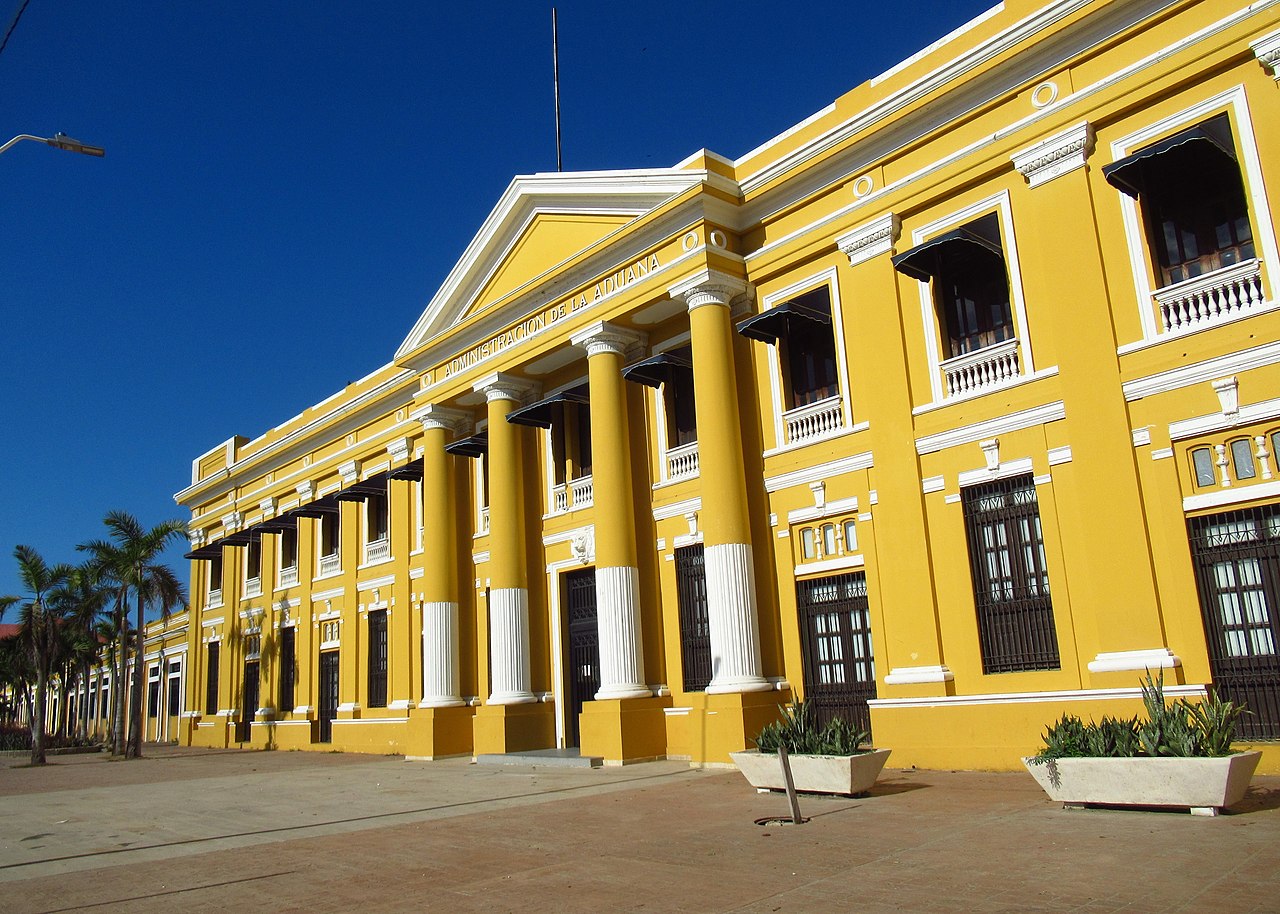



Key characteristics
Barranquilla combines coastal geography with an urban, industrial economy. Its notable characteristics include:
- Strategic port facilities and logistic links to inland Colombia.
- A warm tropical climate and a landscape shaped by river and sea.
- A diverse population with strong Afro-Caribbean, indigenous and European cultural influences.
- Vibrant cultural institutions, theaters and museums that reflect regional identity.
History and development
Originally a small settlement that grew because of riverine and maritime trade, Barranquilla expanded rapidly during the 19th and early 20th centuries as Colombia increased commercial ties with Europe and the Caribbean. Its port and railway connections helped attract industry, merchants and migrants, shaping a cosmopolitan urban culture. Over time the city developed manufacturing, services and transport sectors that anchored its modern economy.
Culture and Carnival
Cultural life is a defining feature of Barranquilla. The city is internationally known for the Barranquilla Carnival, a colourful annual festival of music, dance, parades and popular theater that draws large local and visitor participation. The Carnival was recognized by UNESCO as an important element of intangible cultural heritage, reflecting the fusion of African, Indigenous and European traditions. Music styles such as cumbia and porro are deeply associated with the city, which also celebrates contemporary arts, film and literature.
Economy, transport and institutions
Barranquilla's economy is diversified: maritime trade, manufacturing, petrochemicals, commerce and services all play major roles. The city hosts an international airport and road and river connections that link the Caribbean coast to interior regions. Cultural institutions include museums, theaters and research centers that promote Caribbean identity and local history, and the local football club has wide regional support. Several universities and technical institutes contribute to education and workforce development.
Notable facts and distinctions
Known locally by nicknames such as La Arenosa (the sandy one) and the "Golden Gate of Colombia," Barranquilla has produced influential artists and public figures who have contributed to national and international culture. Its role as a commercial doorway and cultural crossroads makes it a focal point for visitors seeking Caribbean Colombian traditions, economic opportunity and a lively urban atmosphere.
For more general information, institutional pages and tourism resources can be consulted through official and regional portals: country overview, department site, and pages highlighting the city alongside Bogotá, Medellín and Cali.
Related articles
Author
AlegsaOnline.com Barranquilla, Colombia: Caribbean port city and cultural center Leandro Alegsa
URL: https://en.alegsaonline.com/art/9085
Sources
- registraduria.gov.co : National Registry of the Civil State: 2007 regional elections
- dane.gov.co : DANE 2005 Census: Barranquilla