
Guido Gezelle: Flemish Priest, Poet and Translator (1830–1899)
Guido Gezelle (1830–1899) was a Belgian Roman Catholic priest and influential Flemish poet, translator and writer, noted for religious verse, nature imagery and his translation of Longfellow.
Overview
Guido Gezelle (1 May 1830 – 27 November 1899) was a Roman Catholic clergyman and one of the most widely remembered figures in 19th‑century Flemish literature. Born and deceased in Bruges, he combined a vocation in the Church with a serious literary life as a teacher, writer and translator. His work helped shape modern Dutch‑language poetry in Belgium and remains studied for its linguistic richness and devotional intensity.
Image gallery
2 Images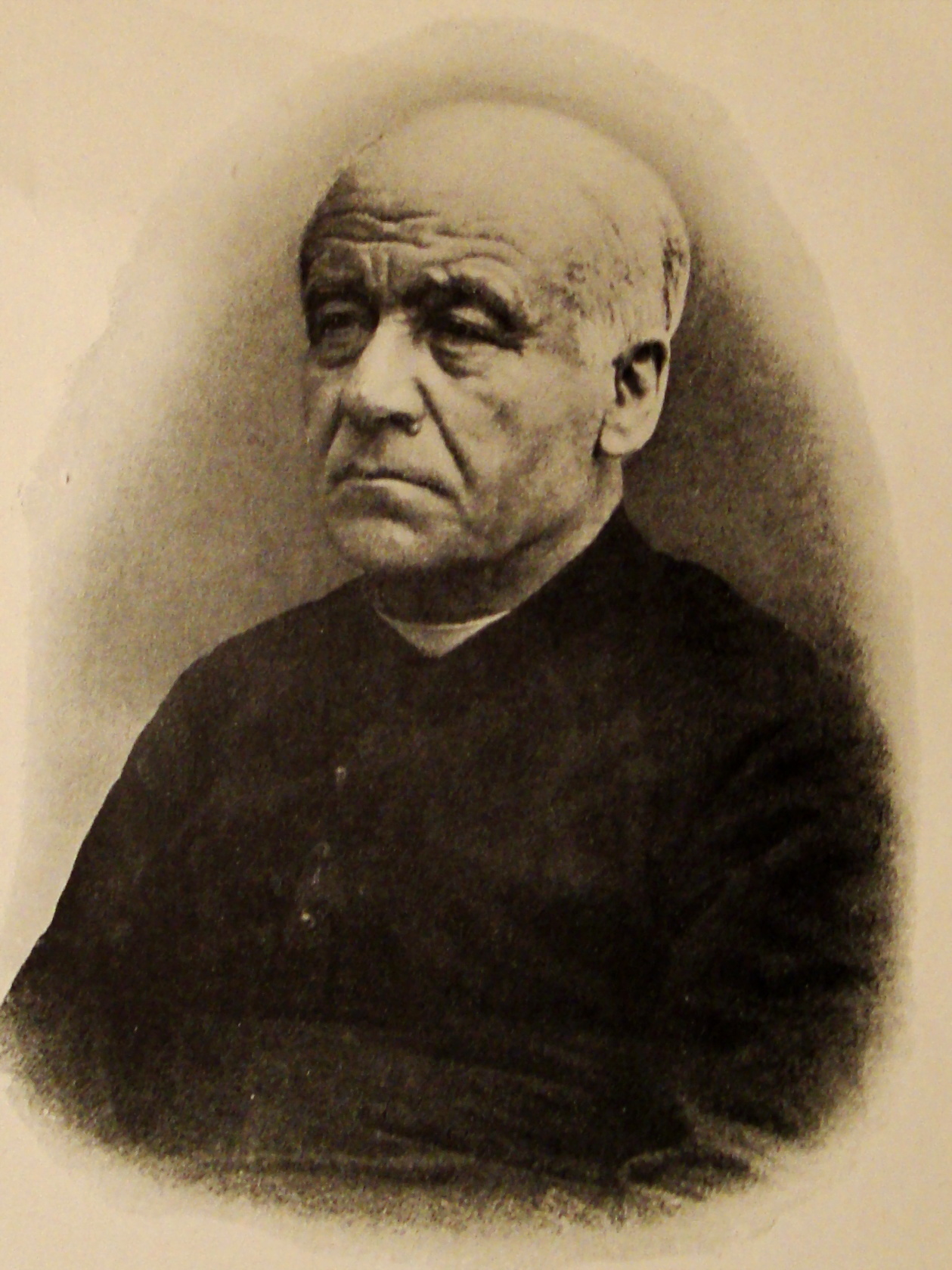

Life and career
Gezelle was born in Bruges to Pieter Jan Gezelle and Monica Devrieze. He was ordained a priest in 1854 and spent his life in West Flanders, where he balanced pastoral duties with literary pursuits. He was uncle to the later Flemish novelist Stijn Streuvels. His identity as a Belgian cleric and public intellectual is often noted in biographical accounts: see the entries framed by historians of Belgium and local Bruges studies on his hometown.
Style, language and themes
Gezelle wrote primarily in Dutch, frequently incorporating the West Flemish dialect into his verse. His poetry blends devotional feeling with close observation of nature, marked by careful attention to sound and rhythm. These characteristics made his lines distinct: compact, musical, and often theologically reflective. Critics cite his inventive diction and sensitivity to regional speech as key to his lasting reputation.
Works, translation and influence
Beyond original poems and hymns, Gezelle worked as a translator. He is remembered especially for translating Henry Wadsworth Longfellow’s The Song of Hiawatha, engaging with Anglo‑American poetic forms through a Flemish lens. This translation and other efforts placed him among the notable Dutch‑language translators of his era. As a writer and poet, he influenced younger Flemish authors and contributed to a renewed interest in regional language and religious poetry.
Characteristics and selected notes
- Religious vocation: His priesthood informed much of his subject matter and moral outlook; see introductions that treat him as a Roman Catholic priest.
- Linguistic originality: Frequent use of local dialect and inventive syntax.
- Cross‑cultural engagement: His translation of Longfellow connects Flemish letters with wider 19th‑century European and American currents; Longfellow himself is often mentioned in studies of Gezelle’s translations (Longfellow).
Legacy
Today Gezelle is commemorated in literary histories of Flanders and the Netherlands as an important bridge between devotional literature and modern poetic techniques. Scholars and readers continue to explore his poems for their musicality, regional speech, and spiritual depth. For further reading consult specialized bibliographies and local archives that preserve his manuscripts and correspondence.
Questions and answers
Q: Who was Guido Gezelle?
A: Guido Gezelle was a Roman Catholic priest, writer, translator, and poet from Belgium.
Q: Where was Guido Gezelle born and died?
A: Guido Gezelle was born and died in Bruges.
Q: When did Guido Gezelle become a priest?
A: Guido Gezelle became a priest in 1854.
Q: Who were Guido Gezelle's parents?
A: Guido Gezelle's parents were Pieter Jan Gezelle and Monica Devrieze.
Q: Was Guido Gezelle related to any famous Belgian writers?
A: Yes, Guido Gezelle was an uncle of the Flemish writer Stijn Streuvels.
Q: What is Guido Gezelle famous for?
A: Guido Gezelle is still famous now for his translation of The Song of Hiawatha by Henry Wadsworth Longfellow.
Q: What other roles did Guido Gezelle play besides being a priest?
A: Besides being a priest, Guido Gezelle was also a writer, translator, and poet.
Related articles
Author
AlegsaOnline.com Guido Gezelle: Flemish Priest, Poet and Translator (1830–1899) Leandro Alegsa
URL: https://en.alegsaonline.com/art/41264