
Groundwater: Subsurface Water, Aquifers, Uses, and Management
Comprehensive overview of groundwater: what it is, how it forms and moves, its roles for ecosystems and people, quality concerns, and principles for sustainable use and protection.
Overview
Groundwater is the water that occupies the pore spaces of soil and rock beneath the Earth's surface. It originates primarily from precipitation that infiltrates the ground, percolates through the soil and collects in geological formations called aquifers. This subsurface reservoir contributes to streams, wetlands and springs and supplies a large share of the world's drinking water and irrigation supplies. For a general definition see groundwater basics.
Image gallery
10 Images




Key characteristics and components
Several physical properties determine how groundwater is stored and moves: porosity (the fraction of void space in rock or sediment), permeability (the ease with which water flows), the water table (the upper surface of saturated ground) and confining layers that separate aquifers. Typical terms and features include:
- Aquifer: a water-bearing rock or sediment layer that yields usable water when pumped or drained — see aquifer types.
- Recharge area: places where water enters the subsurface from precipitation or surface bodies — described further at recharge processes.
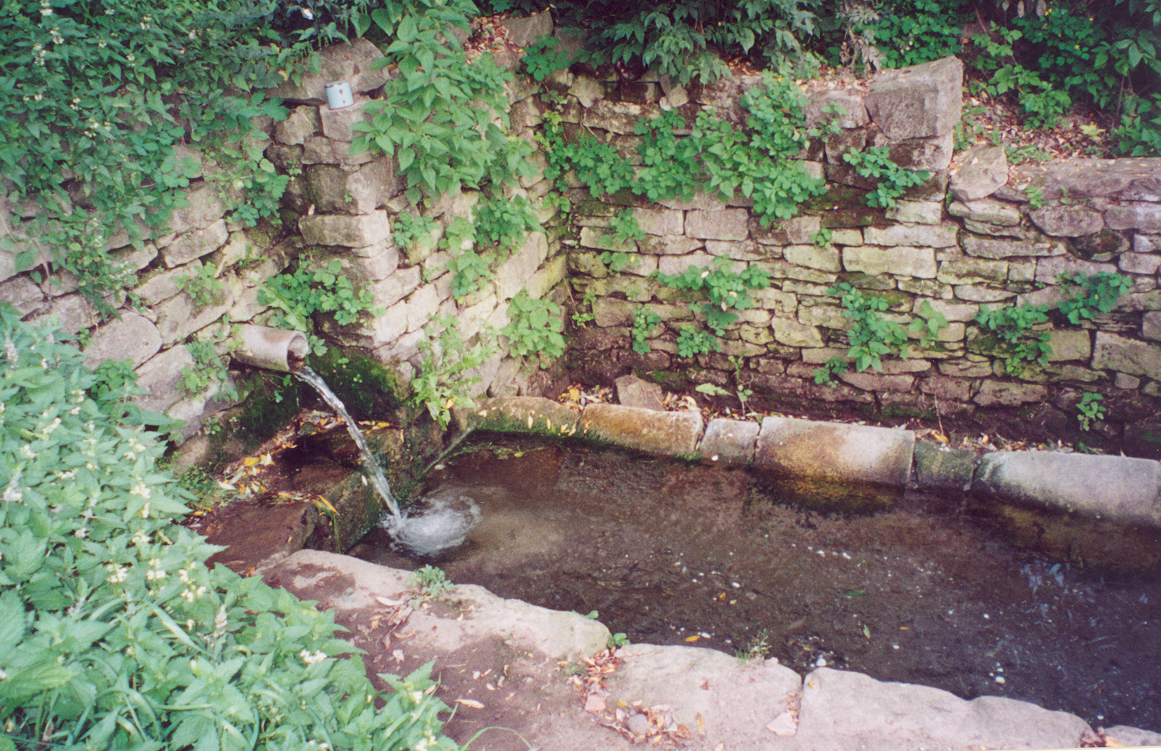
- Discharge: locations where groundwater returns to the surface, such as springs or baseflow to rivers — examples at springs and river baseflow.
Origin, movement, and residence time
Most groundwater begins as rain or snowmelt that infiltrates the soil. Infiltration rates depend on land cover, soil type and climate, and some water follows slow pathways through deep rock for decades or longer. Groundwater flow is driven by hydraulic gradients and follows paths from recharge zones toward discharge zones. Detailed descriptions of precipitation inputs and pathways are available at precipitation and infiltration.
Uses and importance
Groundwater supports drinking supplies for billions of people, irrigation for agriculture, and industrial uses. Because it is often stored underground, it can provide relatively stable flows during dry periods and sustain ecosystem services such as wetlands and stream baseflow. Traditional wells and modern boreholes are common extraction methods; technical guidance on well construction and operation is summarized at wells and pumping.
Quality, threats, and protection
Although groundwater is often filtered by soil, it can be contaminated by agricultural chemicals, industrial pollutants, leaking septic systems and naturally occurring elements like arsenic. Contamination can be persistent and expensive to remediate because of slow flow and long residence times. Monitoring, wellhead protection, controlled land use and remediation techniques are important tools; introductory material is linked at water cycle and management and plant-water relations for ecological context.
Management, sustainability, and notable distinctions
Sustainable groundwater management seeks to balance withdrawals with recharge, avoid land subsidence from over-extraction, and maintain groundwater-dependent ecosystems. Concepts such as groundwater mining, artificial recharge, and conjunctive use of surface and groundwater are part of modern water planning. Groundwater differs from surface water in storage, flow rates and vulnerability to long-term contamination; further distinctions are discussed at surface vs. groundwater. For policy and technical guidance, see well and resource management and additional resources at reference materials.
Notable fact: Rain and snow are the main natural sources that replenish groundwater, but the timing and quantity of recharge vary widely by climate and landscape. Human activities strongly affect both recharge and quality, so protecting groundwater is essential for long-term water security.
Related articles
Author
AlegsaOnline.com Groundwater: Subsurface Water, Aquifers, Uses, and Management Leandro Alegsa
URL: https://en.alegsaonline.com/art/41044