
Hancock Seamount (Hawaiian–Emperor seamount chain)
An underwater volcanic mountain in the Pacific that is part of the Hawaiian–Emperor seamount chain; likely extinct and formed by hotspot volcanism. Last eruption is unknown.
Overview
Hancock Seamount is an underwater volcanic mountain, or seamount, that belongs to the Hawaiian–Emperor seamount chain in the Pacific Ocean. Like many features in this long volcanic trail, Hancock is the product of hotspot volcanism beneath the moving Pacific Plate. Direct evidence for recent volcanic activity at Hancock is lacking; its last eruption is unknown and it is generally considered to be inactive or extinct.
Image gallery
1 Image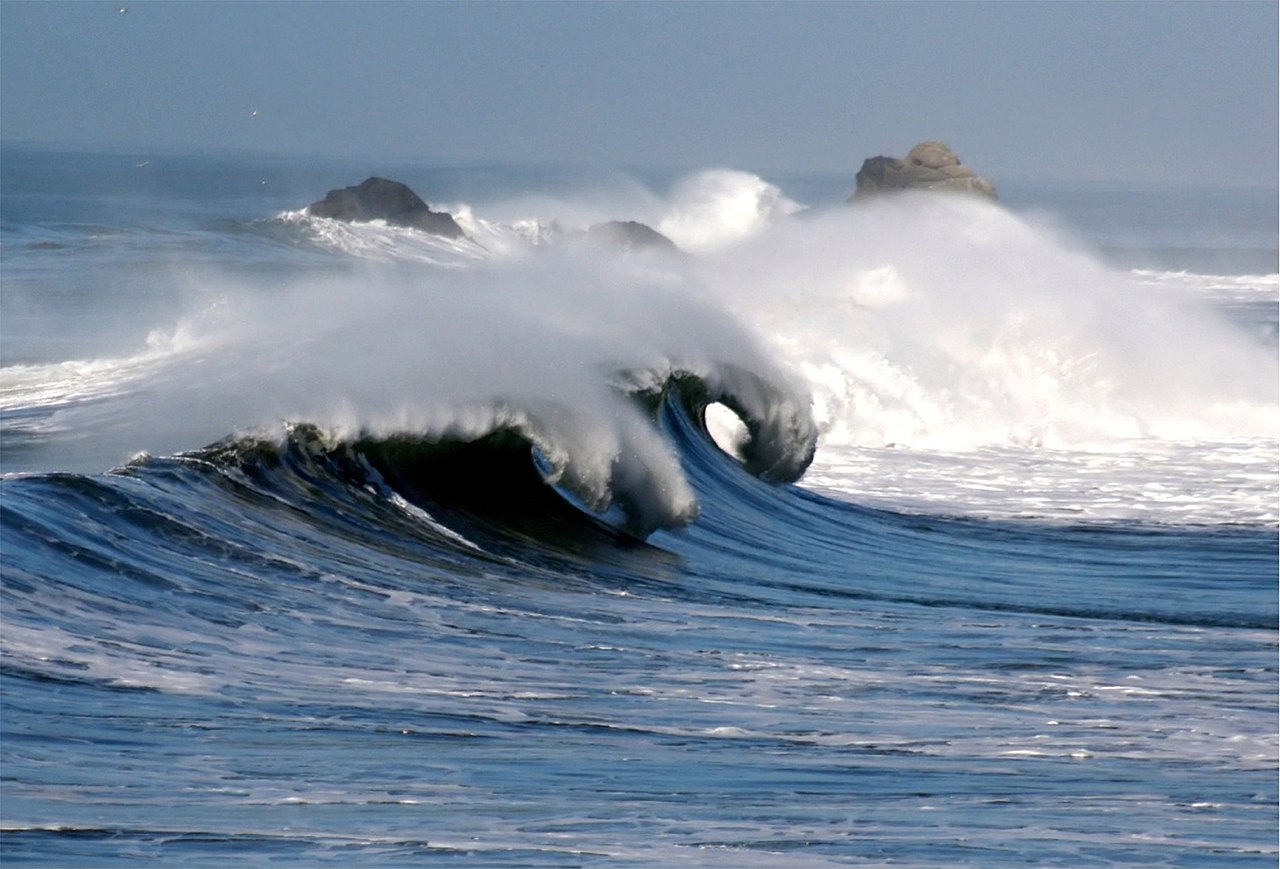
Characteristics
Seamounts are submarine elevations formed by volcanic activity. Hancock Seamount is described in marine surveys as part of a linear array of underwater volcanoes and guyots that vary in size, summit shape, and depth. While some members of the Hawaiian–Emperor chain have flat summits (guyots) indicating past subaerial erosion, specific surface details for Hancock may be limited in publicly available survey records. Bathymetric mapping and dredge sampling are common methods used to document such features.
Formation and geological context
The Hawaiian–Emperor chain records the passage of the Pacific Plate over a relatively stationary mantle hotspot. As the plate moved, successive volcanic edifices were constructed above the hotspot and later carried away, becoming extinct. The chain contains a pronounced bend — the Emperor Bend — which marks a change in plate motion tens of millions of years ago and is a major subject of study in plate tectonics and hotspot dynamics. Hancock Seamount occupies a position within this broader geological framework and contributes to reconstructions of Pacific Plate movement.
Ecology and importance
Seamounts like Hancock are ecologically significant despite being submerged. Their hard substrates and elevated topography alter ocean currents and create habitats for diverse marine life, including sessile invertebrates, fish aggregations, and pelagic predators. They can host unique communities and act as stepping stones for species dispersal across the deep ocean, making them important for biodiversity and conservation research.
Research, uses and notable facts
- Scientific value: Features of Hancock and neighboring seamounts are used to study hotspot volcanism, paleomagnetism, and the history of plate motions.
- Data sources: Information about Hancock typically comes from sonar mapping, submersible observations, dredge samples, and seismic studies.
- Activity status: There is no documented recent eruption; like many older seamounts in the chain, it is regarded as dormant or extinct.
Further details on Hancock Seamount are found in marine geology and geophysical literature, and in regional seamount catalogs that compile bathymetric and sample data for the Hawaiian–Emperor chain.
Related articles
Author
AlegsaOnline.com Hancock Seamount (Hawaiian–Emperor seamount chain) Leandro Alegsa
URL: https://en.alegsaonline.com/art/42162