
Glucose: a simple sugar, its structure, role in metabolism, and history
Glucose is a six-carbon monosaccharide central to metabolism. This article explains its chemical nature, biological roles, production, clinical importance, and historical study.
Overview
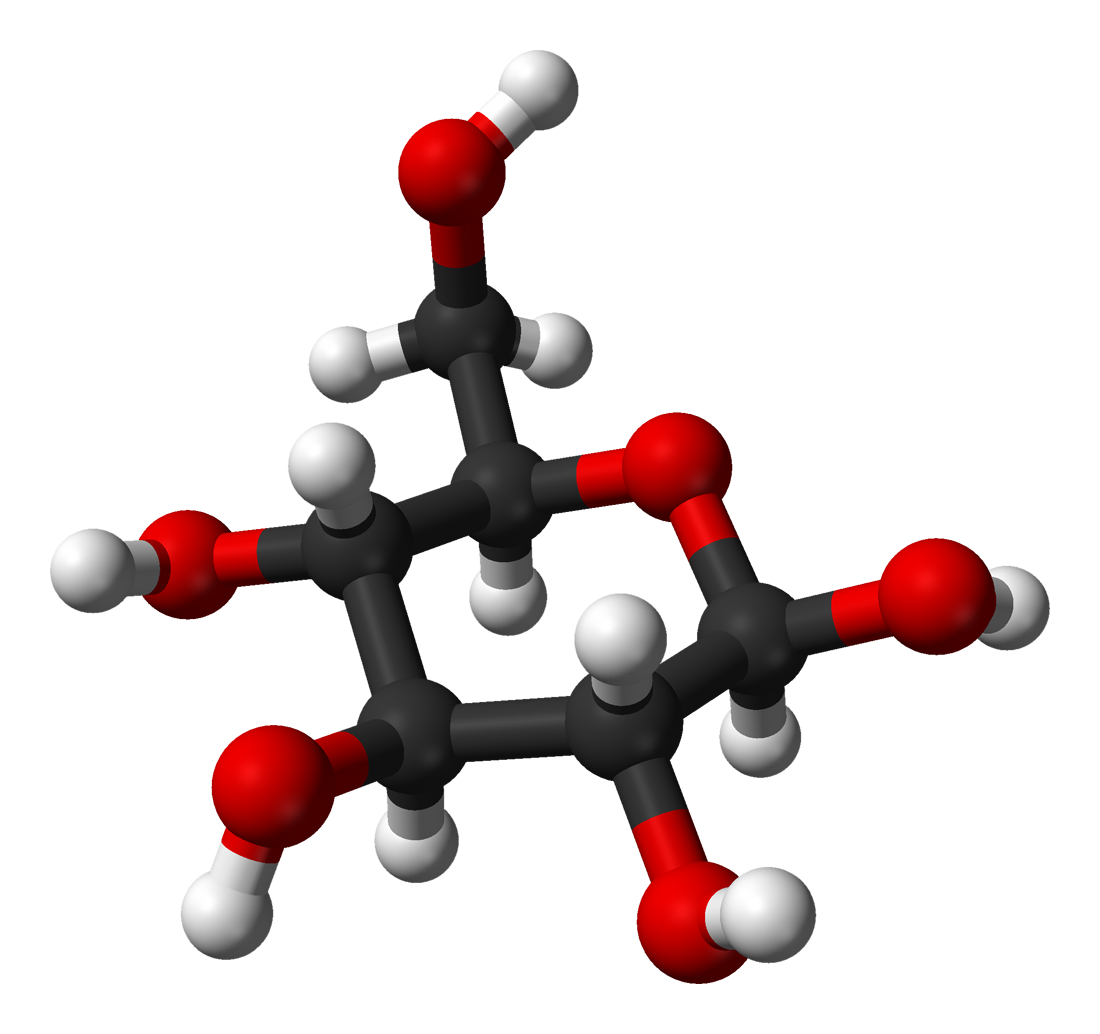
Glucose is a six-carbon monosaccharide commonly described as a simple carbohydrate. Its molecular formula, C6H12O6, identifies the numbers of constituent atoms: six carbon atoms, twelve hydrogen atoms and six oxygen atoms bonded in a specific arrangement. In solution glucose exists mainly in cyclic forms that interconvert, and it is the primary simple sugar used by many living systems.
Image gallery
10 Images


Structure and chemical properties
Glucose is classified as an aldohexose: a six-carbon sugar with an aldehyde group in its open-chain form. In aqueous environments the molecule predominantly adopts ring structures referred to as alpha and beta pyranoses; these stereochemical variants influence how glucose interacts with enzymes and polymers. The biologically active stereoisomer in nature is D-glucose, which fits into metabolic pathways and transporters with high specificity.
Production and storage
Plants synthesize glucose during photosynthesis, converting light energy into chemical energy stored in sugar. Animals and humans obtain glucose from the diet or produce it internally via gluconeogenesis in the liver and, to a lesser extent, the kidneys. Cells can store excess glucose as glycogen in liver and muscle, or convert surplus carbon into fatty acids for long-term storage in adipose tissue.
Biological roles and metabolism
Glucose is a central source of energy for most cells. Through pathways such as glycolysis and oxidative phosphorylation—collectively part of cellular respiration—glucose is broken down to release chemical energy used to make ATP. Many tissues, notably the brain, rely heavily on a steady supply of glucose. Cells throughout the body, including specialized cells in endocrine organs, participate in regulating blood glucose to match the needs of the organism.
Clinical importance and measurement
Maintaining appropriate blood glucose levels is essential. Low blood glucose is clinically known as hypoglycemia, which can cause weakness, confusion, or loss of consciousness. Persistently elevated glucose, or hyperglycemia, is a hallmark of diabetes and increases the risk of long-term complications. Blood glucose is routinely measured with simple tests for diagnosis and management of metabolic disorders.
Uses, distinctions and notable facts
- Glucose is widely used in food and medical settings (for example as dextrose solutions) because it is readily metabolized.
- Its stereochemistry (D- versus L- forms) and ring isomers (alpha, beta) determine biological compatibility and reactivity.
- Industrial fermentation and biochemical research frequently employ glucose as a substrate for growing microorganisms or supplying energy to cell cultures.
Historical notes
Research into the structure and behavior of sugars advanced in the late nineteenth century. German chemist Emil Fischer performed influential studies on sugar stereochemistry and reactions; his work contributed to foundational knowledge in carbohydrate chemistry and was recognized with the 1902 Nobel Prize in Chemistry. Modern biochemistry has since elaborated the pathways by which glucose is produced, transported, and metabolized.
For further reading on specific aspects of glucose—its chemistry, physiology, and clinical implications—see resources on cellular metabolism and carbohydrate chemistry (simple carbohydrate, cellular respiration, photosynthesis), or consult specialized medical material about hypoglycemia and hyperglycemia.
Additional contextual links: cells, organism, energy, liver, kidneys, chemical formula, carbon, atoms, hydrogen, oxygen, bonded.
Related articles
Author
AlegsaOnline.com Glucose: a simple sugar, its structure, role in metabolism, and history Leandro Alegsa
URL: https://en.alegsaonline.com/art/39281
Sources
- nobelprize.org : "The Nobel Prize in Chemistry 1902 - Emil Fischer"
- chem.ucla.edu : "A Guide to α and β Carbohydrates"