
Glue (adhesive): types, history, uses, and safety
An accessible overview of glue: what adhesives are, common natural and synthetic types, historical development, principal uses, and safety considerations.
Overview
Glue, or more broadly an adhesive, is any substance used to join two surfaces by surface attachment. Adhesives may be liquids, pastes, films or solids that form bonds when they set, dry, cool or cure. Modern adhesives range from simple pastes for paper crafts to engineered resins used in construction and manufacturing. The basic idea is the same: two pieces are held together by a thin layer of bonding material that resists separation.
Image gallery
10 Images




Materials and types
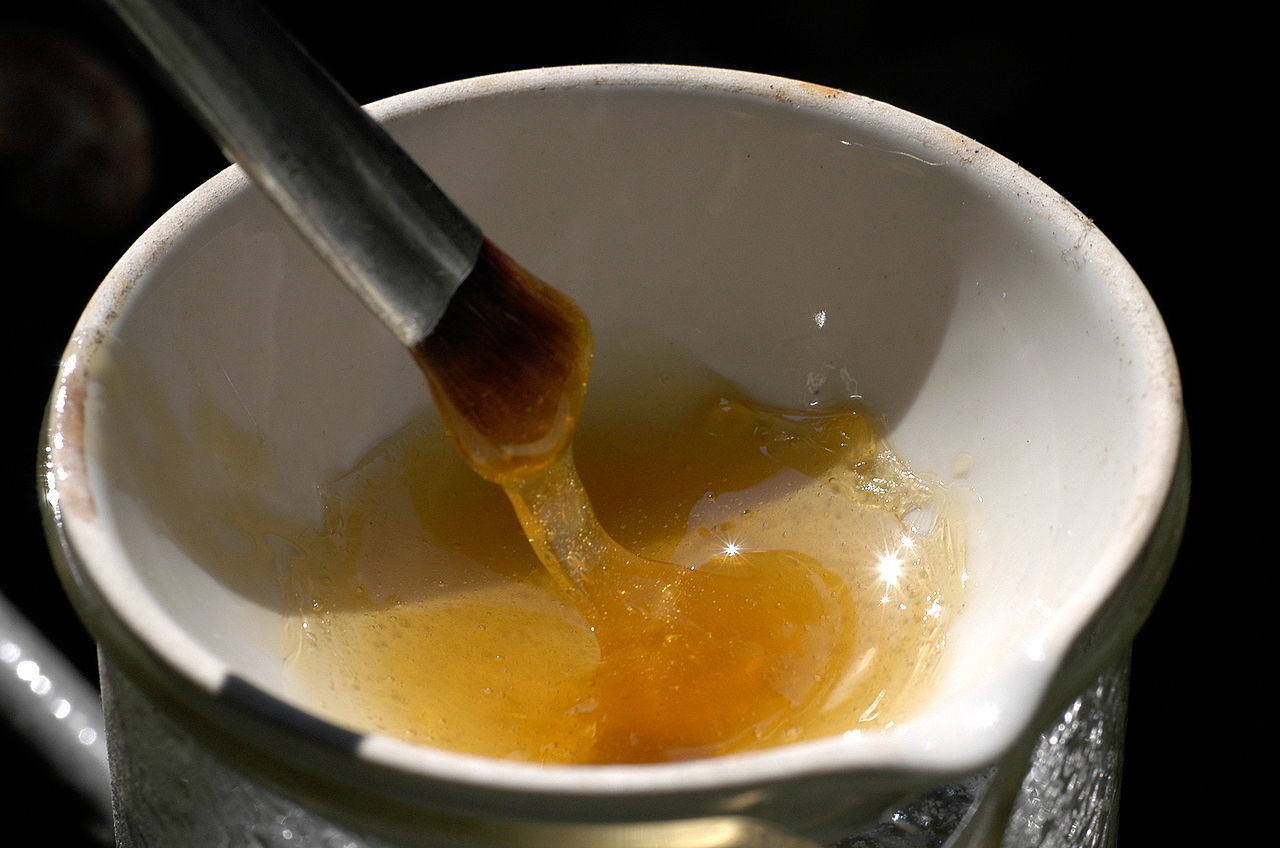
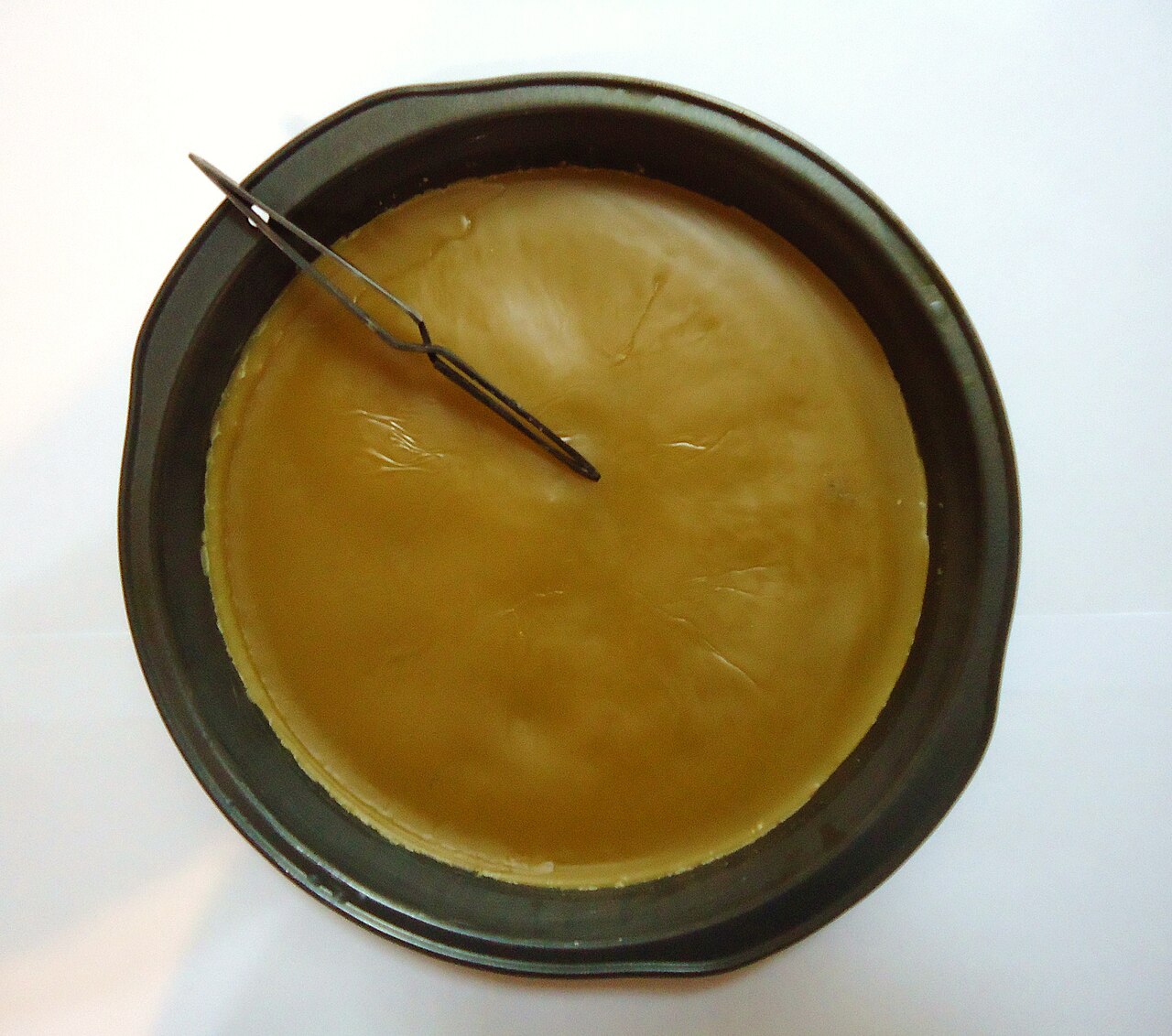
Adhesives are often grouped by their origin and chemistry. Natural adhesives come from plant extracts or animal proteins, while synthetic adhesives are produced from petroleum-derived chemicals. Common physical forms include a watery or solvent-based liquid, a paste, a hot-melt solid, or a pressure-sensitive film. Examples of feedstock and historical sources include tree saps and resins from trees, gelatinous glues from boiled hooves and bones, and specialty glues from materials such as rubber or milk casein (milk proteins).
History and development
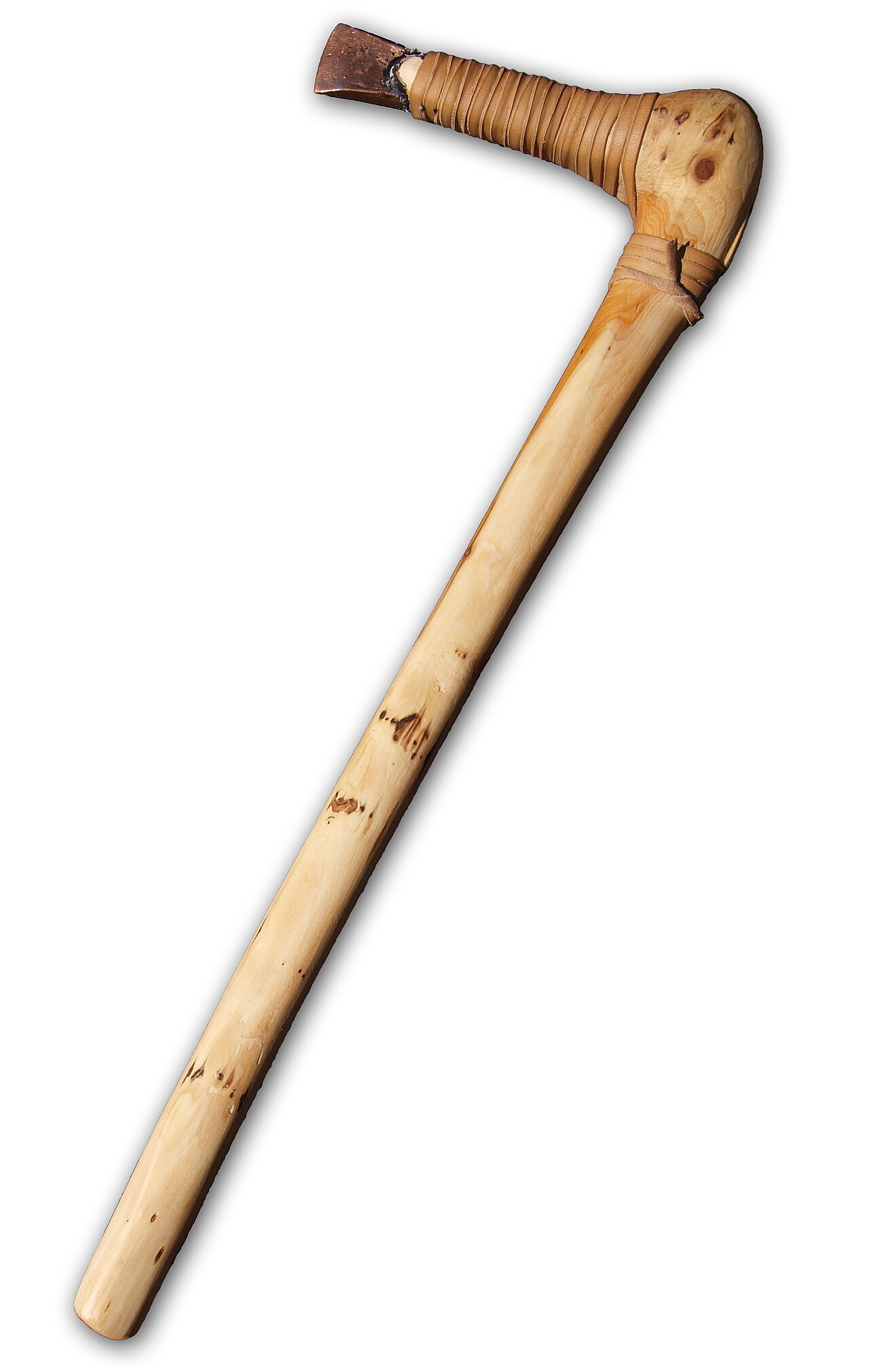
Early human use of adhesives likely began with naturally exuding resins and pitch. Archaeological records show people using boiled animal parts and plant extracts to make stronger bonding agents. Over time these traditional recipes were refined and, from the 19th century onward, synthetic chemistries produced a wide variety of adhesives tailored to specific tasks, from woodworking to waterproofing.
Common uses and examples
Adhesives have a vast range of applications. Simple home glues—such as pastes made from wheat and water—are suitable for paper and lightweight craft. In arts, adhesives enable art techniques including collages and mixed-media works like a collage on paper. In building and repair, sealants and caulks are specialized adhesive-like materials used to keep water and air out of boats, buildings and vehicles. Engineered materials such as particleboard and laminated composites depend on adhesives to bind wood fibers or powders into a single panel.
Safety and health
Many everyday adhesives are harmless when used as intended, but some contain volatile organic compounds with strong odors. Inhaling these vapors intentionally to get high, or by accidental prolonged exposure, can be dangerous. Certain solvent-based adhesives contain toxic components and other poisons that may harm the nervous system; severe or repeated exposure can lead to long-term effects, including damage to the brain. Always use adhesives with proper ventilation and follow manufacturer safety instructions.
Notable distinctions and practical notes
- Natural vs synthetic: Natural glues are biodegradable and reversible in some conservation settings; synthetic glues often provide greater water resistance and strength.
- Removability: Some adhesives are permanent; others are designed to be repositionable or removable with heat, solvents, or water.
- Specialty formulations: Waterproof adhesives and caulks differ in additives and curing chemistry to resist moisture and temperature cycles.
- Household recipes: Traditional formulas—such as simple flours, rice or animal-based glues—remain useful for crafts, conservation and small repairs.
Understanding the chemistry, intended use and safety profile of an adhesive helps choose the right product for a job and avoid health risks. For practical guidance consult product labels and technical datasheets or authoritative resources such as suppliers and professional conservators (further reading).
Questions and answers
Q: What is glue?
A: Glue is a sticky material (usually a liquid) that can stick two or more things together.
Q: What are some of the materials used to make glue?
A: Glue can be made from plant or animal parts, oil-based chemicals, fish bones, rubber, milk, wheat flour and water.
Q: How is art made using glue?
A: Art can be made by using glue to stick coloured things onto paper to create a collage.
Q: What other uses does glue have?
A: Glue can also be used to keep water out of boats, buildings or vehicles (in this case it may be called caulk). It can also be used to bind together small pieces of material or powders in man-made materials such as wood-like materials.
Q: Are all glues safe?
A: No, certain kinds of glue contain strong-smelling chemicals which may cause brain damage or illness if they are sniffed for the purpose of getting high or breathed in by mistake.
Q: Is there an alternative way to make glue at home?
A: Yes, a simple glue can be made at home by mixing wheat flour and water.
Related articles
Author
AlegsaOnline.com Glue (adhesive): types, history, uses, and safety Leandro Alegsa
URL: https://en.alegsaonline.com/art/39282