
Glycerol: properties, structure, history and common uses
Glycerol (glycerin) is a viscous, sweet-tasting trihydroxy alcohol (C3H8O3) used in foods, medicines, cosmetics, industry and as the backbone of many lipids.
Overview
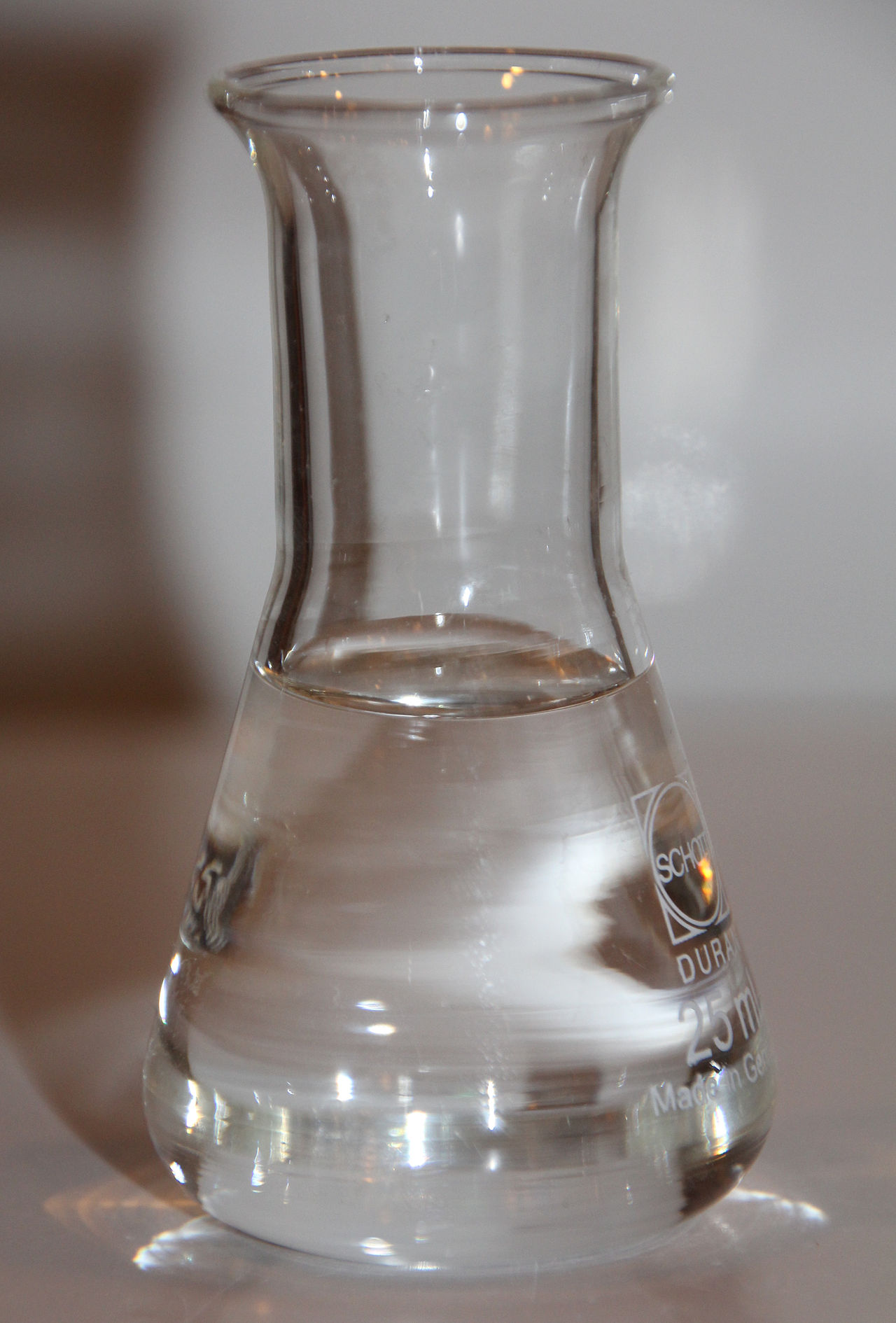
Glycerol (also glycerin or glycerine) is a simple organic compound with the formula C3H8O3 and a molar mass of about 92.09 g·mol−1. It appears as a colorless, odorless, viscous liquid and is notable for its sweet taste, high solubility in water and strong affinity for moisture from the air. The common name "glycerin" is widely used in commerce and in pharmaceutical texts.
Image gallery
10 Images




Structure and physical properties
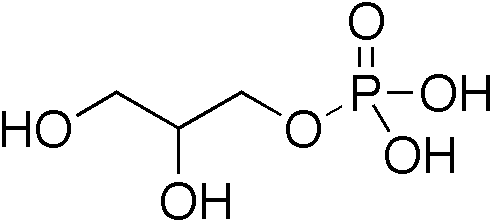
Chemically, glycerol is a trihydroxy alcohol: three hydroxyl (–OH) groups are attached to a three‑carbon backbone, which explains its polarity and excellent miscibility with water and many alcohols. These hydrophilic groups give glycerol hygroscopic and solvent properties and account for its use as a humectant and emollient. The glycerol backbone is the central scaffold of many biological lipids; it forms esters with fatty acids to make triglycerides and with phosphoric acid to form glycerophospholipids. For a basic description of its appearance and consistency see physical description, and for notes on how its hydroxyl groups affect behavior see functional groups.
History and production
Glycerol was first isolated as a by‑product of soap manufacture in the 18th century; the name derives from Greek roots meaning "sweet". Historically produced by hydrolysis of fats, modern industrial glycerol comes from several routes: hydrolysis or transesterification of natural triglycerides (a key by‑product of biodiesel manufacture), chemical synthesis from propylene, and some biotechnological fermentations. For its role in lipid chemistry and triglyceride formation consult lipid backbone and triglyceride references.
Uses and applications
Glycerol has a wide range of applications across food, pharmaceuticals, cosmetics and industry because of its solvent power, low toxicity and stabilizing effects. Common uses include:
- Pharmaceuticals: as an excipient, solvent, sweetening agent, and in topical formulations and suppositories.
- Food industry: as a humectant, sweetener and preservative (often labelled E422).
- Personal care: in lotions, soaps and toothpaste as an emollient and humectant.
- Cryoprotection: in laboratory work to protect cells and tissues during freezing.
- Industrial chemistry: precursor to nitroglycerin by nitration (see nitroglycerin), and as a raw material or solvent in many processes.
Biological and medical relevance
In biology, glycerol and its phosphorylated forms participate in energy metabolism and lipid biosynthesis; enzymes such as glycerol kinase and glycerol‑3‑phosphate dehydrogenase interconvert glycerol derivatives. Medically, nitroglycerin produced from glycerol has important uses as a vasodilator for angina, while glycerol itself appears in formulations to relieve dry tissues and as an osmotic agent in some preparations.
Safety, distinctions and notable facts
Glycerol is generally regarded as safe for food and cosmetic uses in typical concentrations, but concentrated ingestion or certain medical applications require care because of osmotic effects. It is hygroscopic and non‑volatile under ambient conditions; it decomposes before a simple boiling point is reached at high temperatures. The substance commonly sold as "glycerin" may be described in technical data sheets; for consumer and regulatory summaries see solubility and safety and more general references at product data and chemical properties.
The molecule’s simple structure and broad compatibility make it one of the most versatile small organic chemicals in both laboratory and commercial use.
Related articles
Author
AlegsaOnline.com Glycerol: properties, structure, history and common uses Leandro Alegsa
URL: https://en.alegsaonline.com/art/39290