
Gestation: biology, variation, and significance in viviparous animals
Gestation is the process by which an embryo or fetus develops inside a viviparous female. This article explains stages, physiological mechanisms, variation among species, and notable facts.
Gestation is the period during which an embryo and later a fetus develop inside a mother of a viviparous species until birth. The term covers the interval from fertilization through embryonic and fetal growth to parturition. In common usage the words embryo and fetus mark early and later phases of prenatal development, while the carrier is typically a female of a viviparous animal.
Image gallery
3 Images

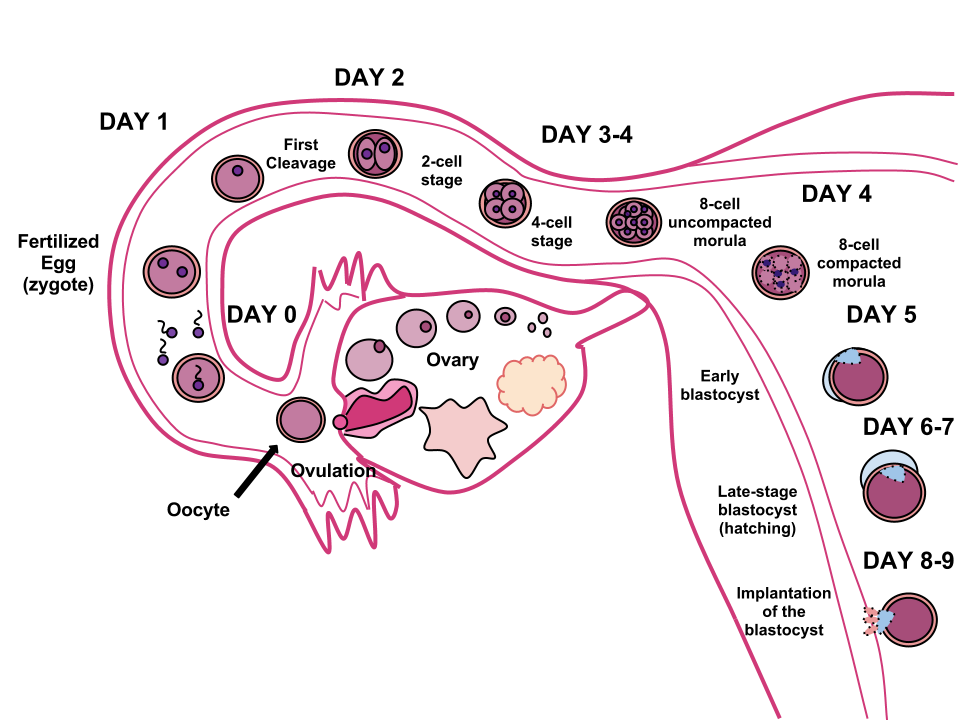
Stages and biological mechanisms
Gestation begins with fertilization of an ovum, followed by cell division, implantation in the uterus (in species with a uterus), and differentiation of embryonic tissues. In placental mammals an organ called the placenta develops to exchange nutrients, gases and waste between mother and offspring. Early development is often called the embryonic stage; later growth and maturation within the womb is called the fetal stage. The endpoint of gestation is parturition, the process of giving birth.
Variation across animals
Gestation length varies widely among species. In many mammals smaller species tend to have shorter gestation periods and larger species longer ones, although metabolic rate, ecological pressures and offspring developmental state also influence duration. For example, humans are commonly described as having a gestation of about 40 weeks by clinical conventions, whereas the commonly kept Syrian hamster has a gestation around two weeks. Large mammals such as elephants have among the longest known gestations.
Types of viviparity and notable exceptions
Within vertebrates there are different reproductive strategies. Placental viviparity (typical of many mammals) supports long internal development. Marsupials have relatively short gestation and continued postnatal development in a pouch. Monotremes are egg-laying mammals and are therefore not gestated in the same sense. Some fish and reptiles also show forms of viviparity with internal nourishment; the term gestation can be applied more broadly to describe the carrying period in those groups.
Importance, measurement, and practical contexts
Understanding gestation has ecological, agricultural and medical importance. In human obstetrics, different ways of counting gestational age are used for clinical decision-making. In animal husbandry, gestation length guides breeding and management. Conservationists monitor gestation for threatened species to plan care for pregnant females and neonates.
Key distinctions and facts
- Gestation refers to internal development until birth; it differs from incubation in egg-layers.
- Terms: fertilization → embryo → fetus → parturition describe the main sequence.
- Duration correlates with body size and developmental strategy but shows many exceptions.
For further reading about prenatal stages and comparative reproduction, see resources linked here: embryo overview, fetal development, female reproductive biology, viviparity, mammalian reproduction, fertilization, ova and eggs, human pregnancy, rodent gestation.
Related articles
Author
AlegsaOnline.com Gestation: biology, variation, and significance in viviparous animals Leandro Alegsa
URL: https://en.alegsaonline.com/art/38556