
Giardia lamblia (Giardia intestinalis): overview, biology, and public health
Giardia lamblia is a flagellated protozoan parasite that infects the small intestine of humans and many animals, causing the diarrheal illness giardiasis; transmitted via contaminated water and fecal–oral routes.
Overview
Giardia lamblia (also called Giardia intestinalis or Giardia duodenalis) is a single-celled, flagellated parasite that colonizes the small intestine of many mammals and birds. Infection produces giardiasis, commonly known as "beaver fever," a gastrointestinal illness characterized by diarrhea and malabsorption. The parasite is found worldwide and may infect humans, cats, dogs, and a variety of wild and farm animals such as birds, beavers, and deer.
Image gallery
4 Images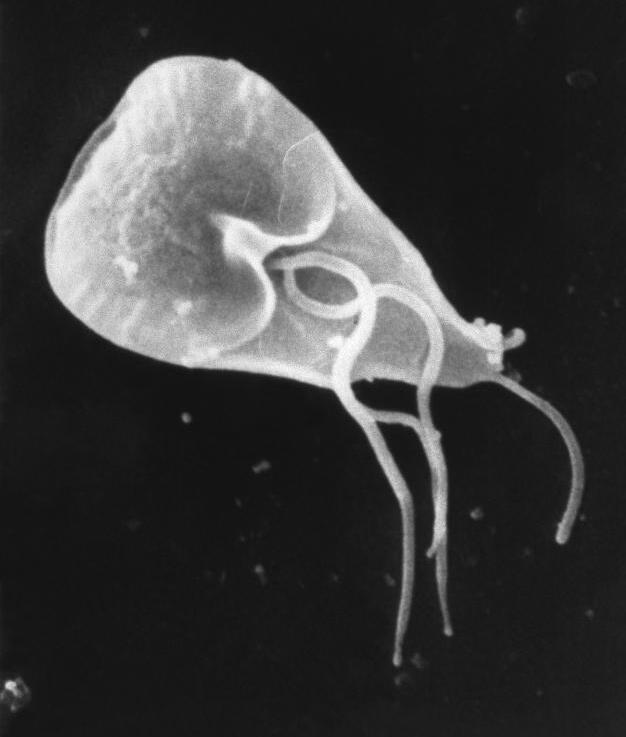

Biology and life cycle
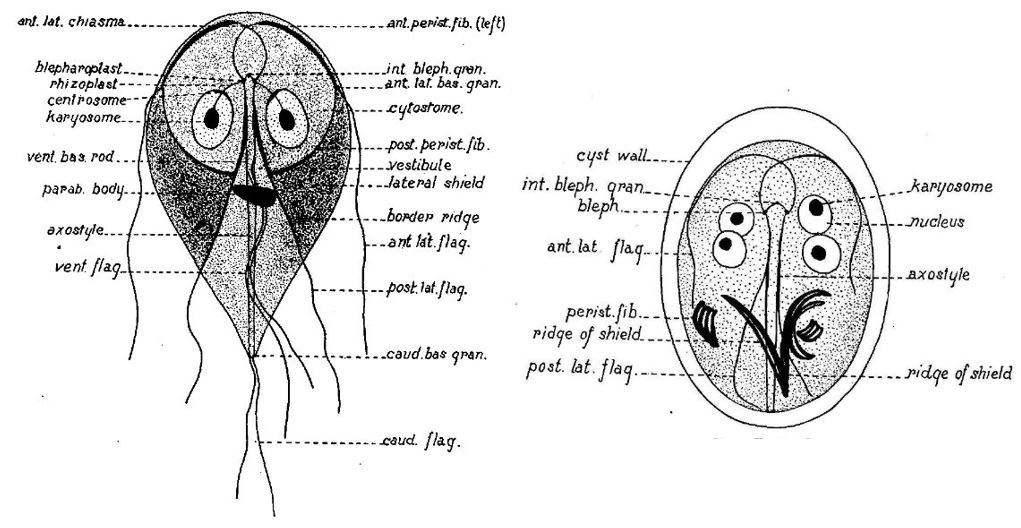
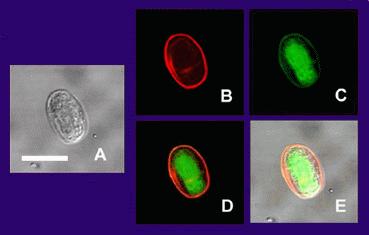
Giardia exists in two main forms: the active trophozoite and the environmentally resistant cyst. Trophozoites are pear-shaped, have two nuclei, and multiple flagella; they attach to the intestinal lining using a specialized adhesive disc. Cysts are shed in feces, survive outside the host, and are the infectious stage that spreads disease. Transmission occurs by ingesting cysts from contaminated water, food, or direct contact (fecal–oral route).
Clinical features and diagnosis
Symptoms range from none (asymptomatic) to acute or chronic gastrointestinal illness. Common signs include watery or greasy stools, abdominal cramps, bloating, nausea, and weight loss due to impaired nutrient absorption. Diagnosis is typically by stool microscopy, antigen detection tests, or molecular methods that identify parasite DNA. Repeated sampling may be needed because cyst shedding can be intermittent.
Treatment, prevention, and control
Treatment uses specific anti-protozoal medications prescribed by clinicians; supportive care addresses dehydration and nutrition. Prevention emphasizes safe drinking water (boiling, filtration, and disinfection), good hand hygiene, proper sanitation, and food safety. Recreational water and backcountry water sources are common settings for outbreaks, so travelers and outdoor enthusiasts are advised to treat or filter untreated water.
History, ecology, and notable facts
Giardia was one of the first microbes observed in human stool and later named after early describers. It has multiple genetic groups (assemblages) with varying host ranges; some assemblages commonly infect humans while others are mainly animal-associated. Because of its hardy cyst form and low infectious dose, Giardia is an important cause of waterborne disease globally and a frequent target of public health measures for drinking-water safety.
Further information
Related articles
Author
AlegsaOnline.com Giardia lamblia (Giardia intestinalis): overview, biology, and public health Leandro Alegsa
URL: https://en.alegsaonline.com/art/38722