
Gizzard (gastric mill): structure, function, and occurrence in animals
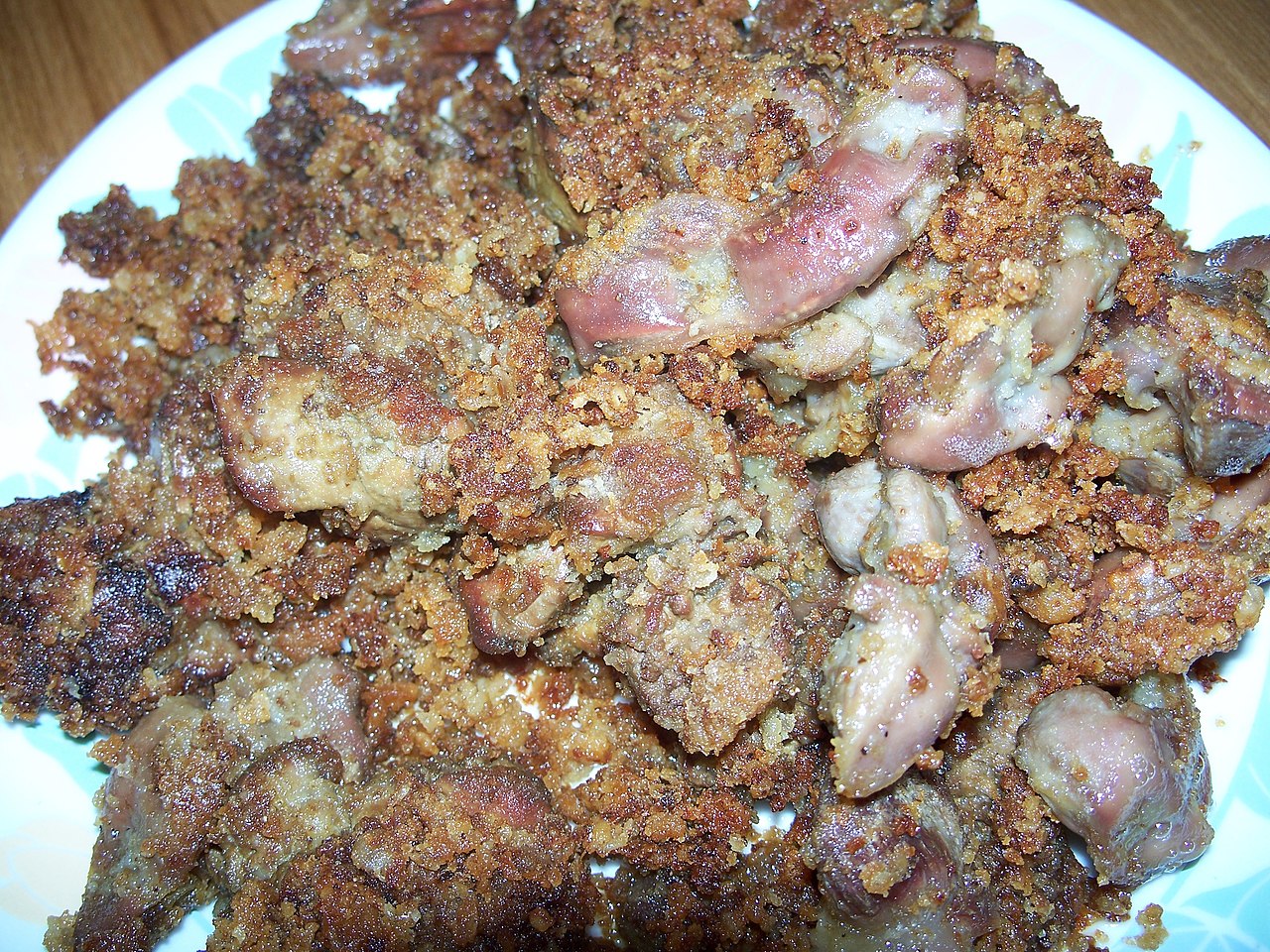
A gizzard (gastric mill) is a muscular part of the digestive system that mechanically grinds food using ingested grit or internal structures. Found in many birds, some reptiles, crustaceans, insects and annelids.
The gizzard, often called a gastric mill or ventriculus, is a specialized, muscular organ used for mechanical breakdown of food. Unlike a chemical digestive chamber that secretes acids and enzymes, the gizzard crushes and grinds ingested material so that downstream digestive processes can act more effectively. Many animals that lack or have reduced chewing teeth rely on a gizzard to perform the mechanical work of mastication.
Image gallery
5 Images

Structure and mechanism
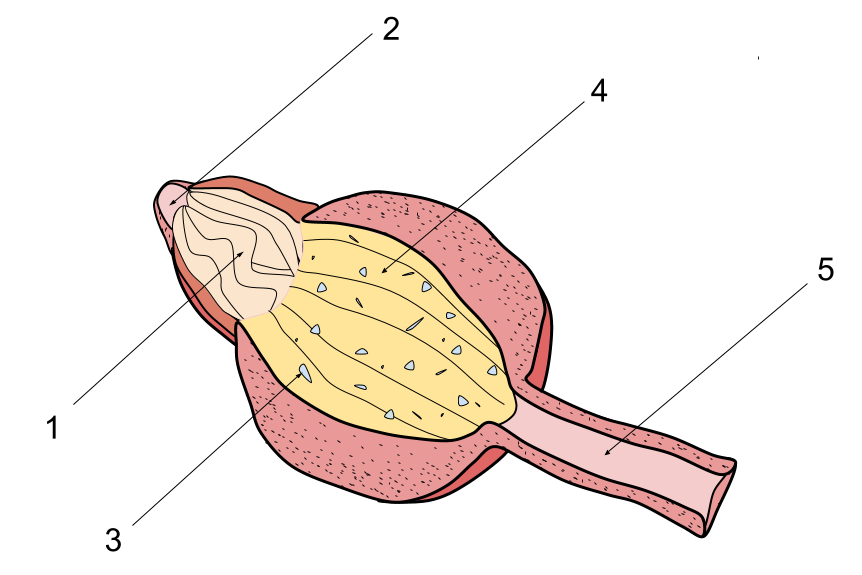
A gizzard is typically a thick-walled, highly muscular pouch lined with a tough surface. In birds the lining includes a durable, noncellular layer called koilin, a complex of carbohydrate and protein that protects the muscles during grinding. The organ contracts rhythmically to pulverize food against hard particles swallowed by the animal, commonly referred to as gastroliths or gizzard stones. In some crustaceans the analogous structure consists of chitinous or calcified plates and teeth within the foregut that form a mechanical mill.
Occurrence and diversity
- Birds: Most birds possess a two-part stomach: a glandular portion (the proventriculus, sometimes called the true stomach) that adds digestive secretions, followed by the muscular gizzard which grinds food. Many species swallow small stones to aid this process. Domestic fowl, waterfowl, pigeons and many seed-eating species have well-developed gizzards.
- Reptiles and extinct archosaurs: Fossil gastroliths indicate that some dinosaurs and pterosaurs used gizzard-like grinding. Modern crocodilians sometimes retain stones in the gut that may aid digestion or buoyancy; these are analogous to gizzard function in living taxa such as Crocodilia.
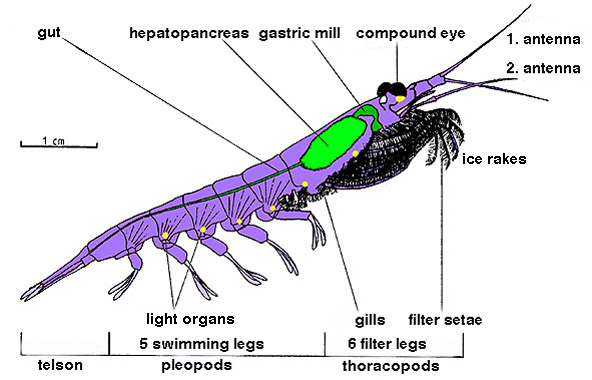
- Fish and crustaceans: Several fishes and many decapod crustaceans (crabs, lobsters) possess a grinding apparatus in the foregut often called a gastric mill, composed of ossicles and tooth-like structures rather than swallowed stones; see examples in fish and crustacean anatomy.
- Invertebrates: Certain insects (for example grasshoppers) have a gizzard-like proventriculus before the midgut, while many annelids such as earthworms lack an acid-secreting stomach and instead concentrate mechanical digestion in a muscular gizzard.
Function, ecological roles, and examples
The primary role of a gizzard is physical digestion: breaking seeds, shells or plant fibers into smaller pieces so enzymes can access nutrients. In granivorous birds the gizzard is essential for cracking seeds; in crustaceans the gastric mill allows processing of hard exoskeleton fragments and detritus. The presence and strength of a gizzard often correlate with diet: species that eat hard foods or lack oral teeth typically have more robust gizzards. Birds may regulate grit intake according to seasonal dietary needs.
Evolutionary and practical notes
Gizzard-like solutions to the challenge of mechanical digestion have evolved independently in multiple animal lineages—a clear example of functional convergence. For poultry and avian husbandry, gizzard health matters: accumulations of very large or sharp objects can injure the organ, while insufficient grit can limit the ability to process coarse foods. In scientific contexts, discoveries of gastroliths in fossils provide clues about diet and behavior of extinct animals.
Related digestive structures interact with the gizzard: many birds first store food in a crop, then pass it to the glandular stomach and finally to the muscular gizzard. The protective lining of koilin combines carbohydrate components and carbohydrate-rich elements with protein to withstand abrasion. Across animals the gizzard demonstrates a simple but powerful solution—using muscle and grit or internal teeth—to do the work that external teeth perform in other species.
Questions and answers
Q: What is a gizzard?
A: A gizzard is a part of the stomach of certain animals which grinds food.
Q: Which animals have grinding teeth and therefore do not need a gizzard?
A: Animals with grinding teeth do not need a gizzard.
Q: Which animals have a gizzard?
A: Many animals have a gizzard, including pterosaurs and birds, dinosaurs, and crocodilia, as well as many fish and crustacea.
Q: How does the gizzard work?
A: The gizzard works by the animal eating gravel and small stones which grind against the food in the gizzard, which is muscular and lined with tough material.
Q: How does the gizzard work in birds?
A: In birds, after the food passes through the stomach acid, it goes to the muscular stomach (also called ventriculus), i.e., the gizzard, where it is ground with previously swallowed stones before passing back to the true stomach.
Q: What protects the muscles in the gizzard of birds?
A: The muscles in the gizzard of birds are protected by a tough layer made of the carbohydrate-protein complex koilin.
Q: Do all animals have a stomach and a gizzard?
A: No, not all animals have a stomach and a gizzard. For example, grasshoppers have the gizzard before the stomach, while earthworms have only a gizzard and no stomach.
Related articles
Author
AlegsaOnline.com Gizzard (gastric mill): structure, function, and occurrence in animals Leandro Alegsa
URL: https://en.alegsaonline.com/art/39060