
Glial cell (neuroglia): types, functions, development and medical importance
Glial cells are non-neuronal cells in the nervous system that support neurons, provide myelin, regulate the environment, and contribute to immune defense and repair. Overview, types, functions, and clinical relevance.
Glial cells, often called neuroglia or simply glia, are the supportive cells of the central and peripheral nervous systems. The name derives from the Greek for "glue," reflecting their long-recognized role in holding neural tissue together. Glia outnumber neurons in many regions, perform diverse maintenance tasks, and are essential for normal brain and nerve function. For a concise introduction, see overview resources on glia.
Image gallery
6 Images


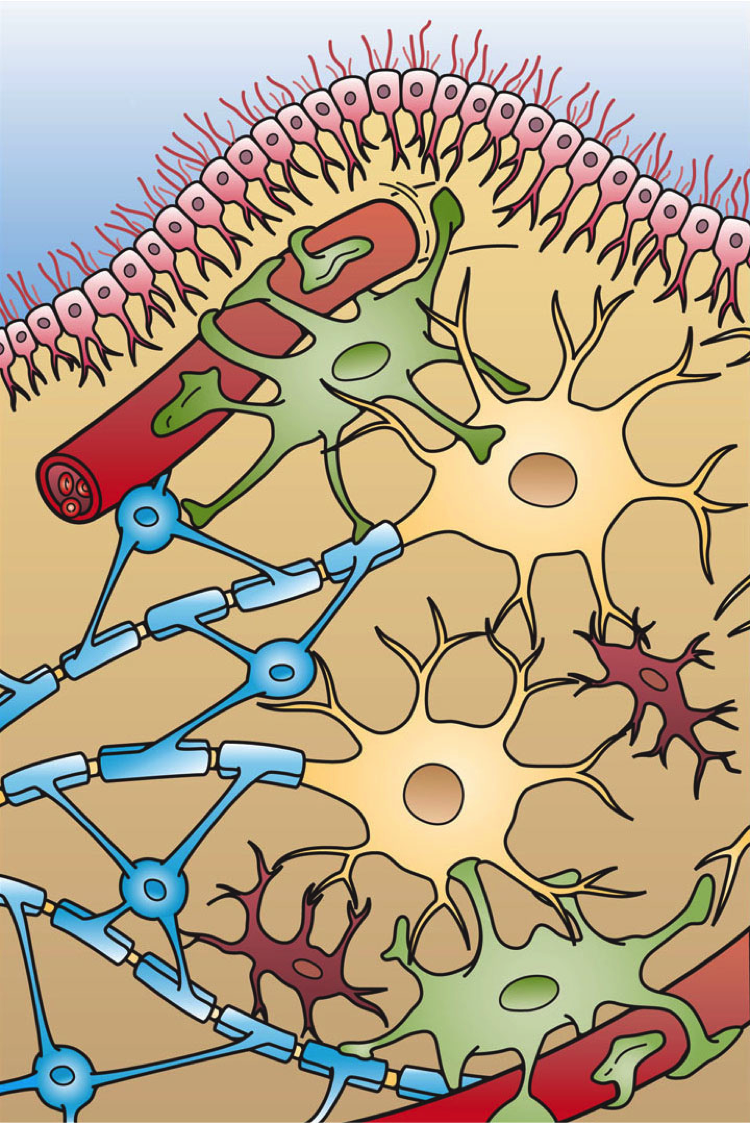
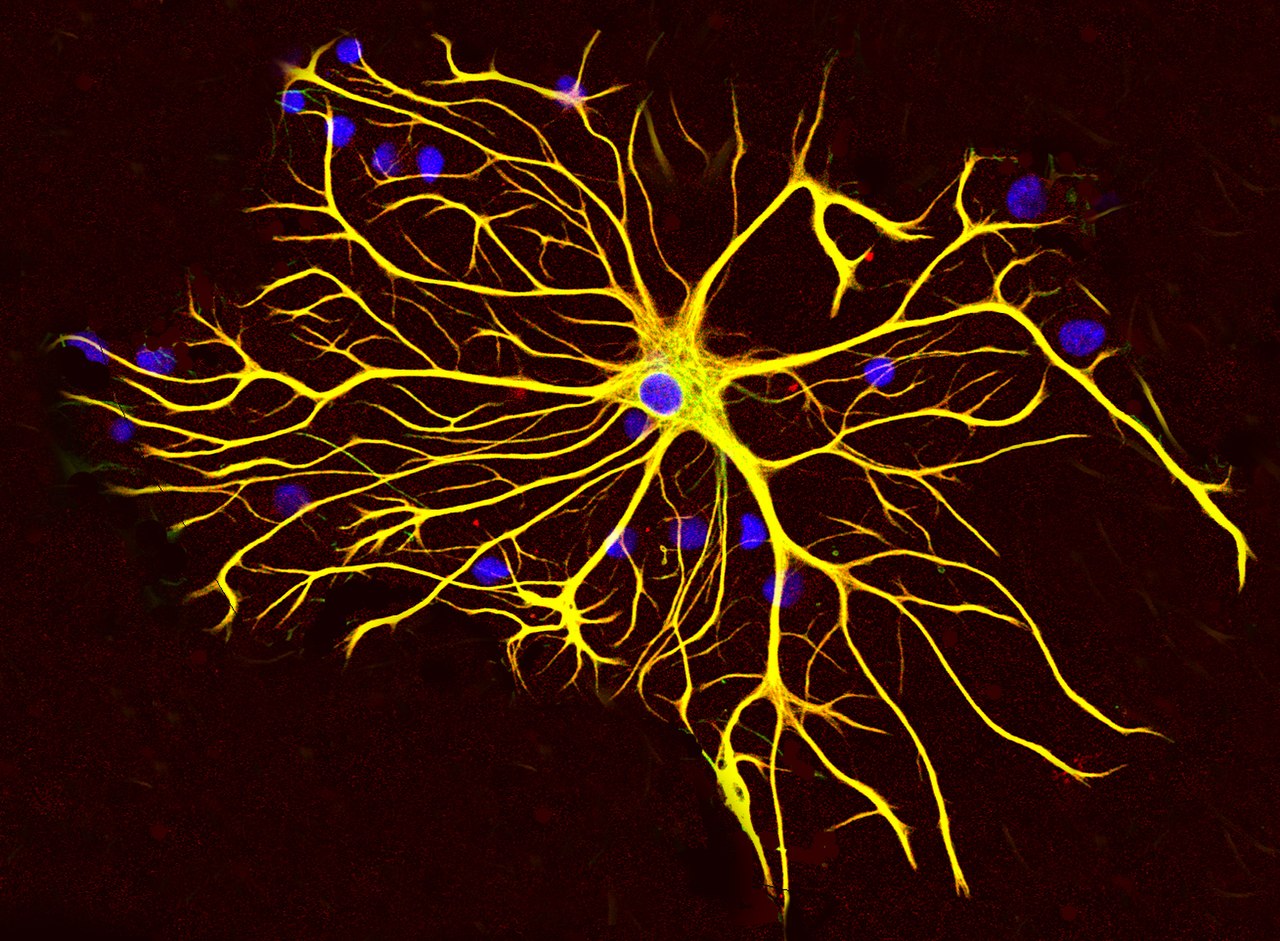
Major types and where they occur
- Astrocytes — star-shaped cells found in the brain and spinal cord; they regulate extracellular ions, supply metabolic support to neurons, maintain the blood–brain barrier and influence synaptic activity. More on astrocyte roles: astrocyte functions.
- Oligodendrocytes — central nervous system cells that form myelin sheaths around multiple axons, increasing conduction speed and providing metabolic support. See CNS myelination.
- Schwann cells — the peripheral nervous system equivalents of oligodendrocytes; each Schwann cell myelinates a single axon segment and supports nerve regeneration.
- Microglia — the resident immune cells of the brain; they monitor the environment, remove debris and respond to injury or infection. Typical descriptions are available at microglial biology.
- Ependymal cells — epithelial-like cells that line the brain ventricles and spinal canal and contribute to cerebrospinal fluid dynamics.
Key functions
- Structural support — organizing neurons and maintaining tissue architecture.
- Homeostasis and metabolism — regulating ion concentrations, neurotransmitter levels and delivering nutrients and oxygen to neurons; see nutrient support summaries at glia and metabolic coupling.
- Insulation and conduction — creating myelin sheaths that speed electrical signaling.
- Defense and cleanup — phagocytosis of pathogens and dead cells, modulation of inflammation and participation in repair.
Beyond these classic roles, glia are active in shaping synaptic circuits, influencing plasticity and participating in neural development. They arise from neural progenitor cells during embryonic development and continue to change in response to experience and injury.
Clinically, glial dysfunction contributes to many disorders. Loss of myelin underlies diseases such as multiple sclerosis; excessive glial activation can drive chronic neuroinflammation implicated in neurodegeneration; and tumors of glial origin (gliomas) are significant brain cancers. Because glia interact with neurons at multiple levels, they are important targets in research aimed at repair, neuroprotection and modulating brain function. For further reading and current perspectives, consult general summaries and specialized reviews at cell-type resources and myelination studies.
Related articles
Author
AlegsaOnline.com Glial cell (neuroglia): types, functions, development and medical importance Leandro Alegsa
URL: https://en.alegsaonline.com/art/39202
Sources
- scientificamerican.com : The other brain cells
- europepmc.org : Europe Pubmed
- europepmc.org : Europe Pubmed