
Fetus (developmental stage)
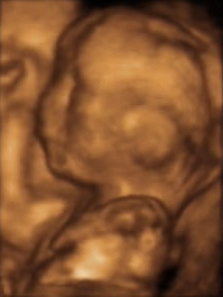
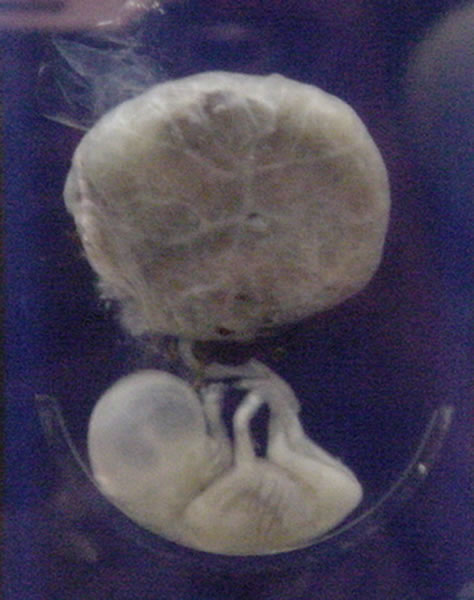
The fetus is the prenatal stage of a developing animal after the embryonic period, characterized by rapid growth and organ maturation; in humans it extends from after embryogenesis until birth.
Overview
The term fetus refers to a developing animal in the later stages before birth. In general usage it applies to the young of viviparous species, particularly mammals. In humans the fetal period follows the embryonic stage and continues until delivery; it is the phase when shape, size and function become progressively more like those of the newborn. For broader context see organism and humans.
Image gallery
9 Images





Development and anatomy
During the fetal stage the body undergoes marked growth and maturation. Organs formed during the earlier embryonic period increase in complexity and begin to perform specialized functions. The central nervous system, lungs, heart and sensory organs mature significantly during this time. The term is linked to concepts of development in embryology and obstetrics.
Key supporting structures develop and sustain the fetus:
- Placenta — exchanges nutrients, gases and wastes between mother and fetus.
- Umbilical cord — vascular conduit connecting fetus and placenta.
- Amniotic sac and fluid — protective environment that cushions and allows movement.
Timeline and clinical considerations
The fetal period is conventionally distinguished from the embryonic period: clinically, the embryonic stage covers early organ formation and is often defined in relation to embryonic landmarks, while the fetal stage begins after those initial weeks following fertilization. In obstetrics other dating systems measure gestational age from the mother's last menstrual period, which shifts numeric week counts but not the biological sequence.
Medical milestones during the fetal stage include measurable movements, detection of a heartbeat by ultrasound, growth monitoring and assessment of viability. Advances in neonatal care mean that fetuses born very prematurely may survive with intensive support; outcomes depend on gestational age and organ maturity.
Importance, risks and notable facts
Understanding the fetal stage is crucial for prenatal care: routine screening, ultrasound imaging and testing help monitor growth and detect anomalies. Exposure to certain drugs, infections, chemicals or radiation (teratogens) can affect development, especially earlier in pregnancy, but careful maternal health management reduces many risks. Fetal monitoring and, in rare cases, prenatal interventions aim to improve outcomes.
Distinctions often emphasized in science and law include the difference between embryo and fetus, terminology across species, and varying definitions of viability or legal status. Nontechnical features commonly noticed by expectant parents include fetal movement (often called "quickening") and the audible heartbeat during prenatal visits.
For further technical or clinical information consult specialized resources or professional guidelines (see related links above).
Related articles
Author
AlegsaOnline.com Fetus (developmental stage) Leandro Alegsa
URL: https://en.alegsaonline.com/art/34123