
Glires: the clade uniting rodents and lagomorphs
Glires is the mammalian clade that groups rodents with lagomorphs (rabbits, hares, pikas). It is defined by shared anatomical and genetic traits and has a complex history in morphology and molecular studies.
Overview
Glires (from Latin glīrēs) is a clade that brings together two familiar mammal orders: the rodents and the lagomorphs—commonly represented by rabbits, hares, and pikas. The grouping is intended to reflect a single evolutionary lineage (monophyly) linking these orders. Over the past century scientists have debated this arrangement on the basis of anatomy and fossils; more recent genetic and integrated analyses provide substantial support for Glires as a natural group.
Image gallery
10 Images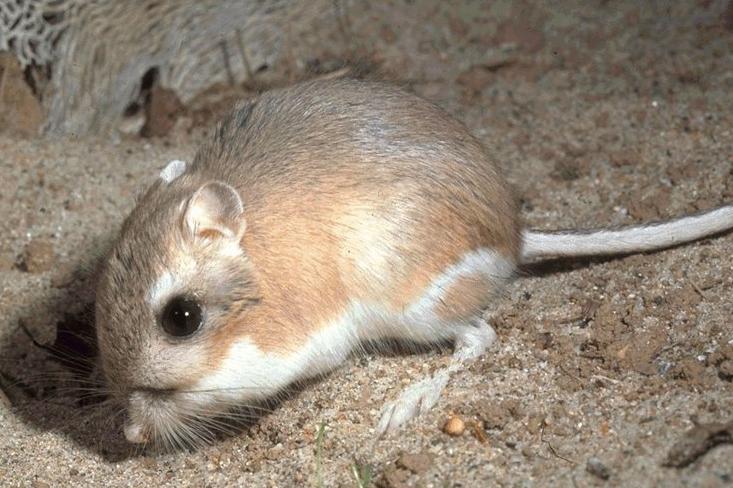
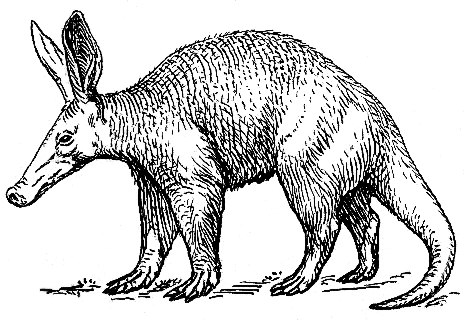


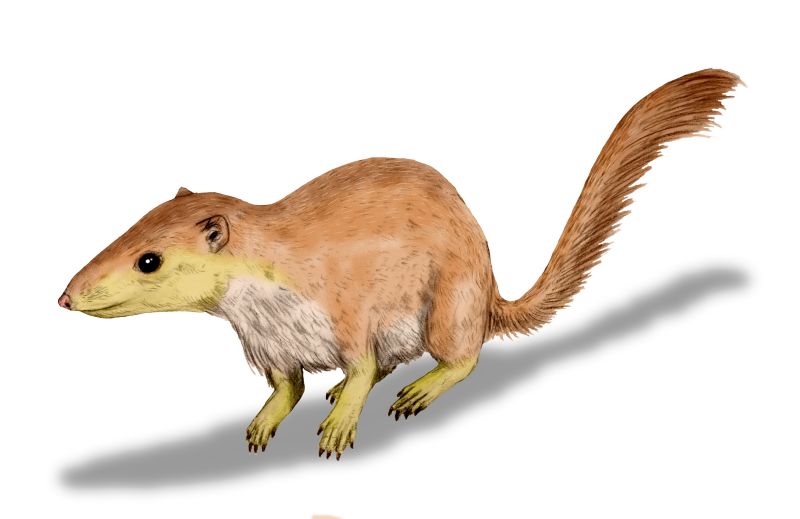

Key characteristics
Members of Glires exhibit a combination of shared features and order-specific specializations. Many common traits relate to the skull and teeth, reflecting dietary strategies dominated by gnawing and herbivory. General characteristics include:
- Incisor specialization: ever-growing incisors adapted for gnawing, separated from cheek teeth by a diastema in most species.
- Skull and jaw anatomy: muscle arrangements that support powerful chewing and forward gnawing motions.
- Small to moderate body size: wide ecological diversity from tiny pikas to larger hares.
Evolution and fossil record
Fossils interpreted as early members of the glires assemblage appear in the early Cenozoic, with a clearer presence by the Paleocene and Eocene epochs. Paleontological studies have tracked changes in dentition and skull form that bridge primitive forms toward the modern orders. Molecular phylogenies—analyses of DNA—have been a decisive line of evidence favoring a single origin for rodents and lagomorphs, though detailed relationships within Glires remain active research topics.
Ecology, human interactions, and importance
Glires are ecologically significant. Rodents comprise the most species-rich order of mammals and occupy nearly every terrestrial habitat, acting as seed dispersers, prey animals, and ecosystem engineers. Lagomorphs are important herbivores in many ecosystems and can strongly influence vegetation dynamics. Humans interact with glires in many ways: as agricultural pests, as laboratory model organisms (notably mice and rats), as pets, and as game or food species.
Distinctions and taxonomic notes
Although both rodents and lagomorphs share gnawing-adapted incisors, a clear anatomical distinction is that lagomorphs retain a second, smaller pair of upper incisors (so-called "peg teeth"), whereas rodents do not. Taxonomically, Glires has been alternately ranked at different levels (for example, as a grandorder), reflecting changing views on how best to represent deep divergences among mammals. Current consensus favors recognizing Glires as a natural clade while continuing to refine its internal branching with new data.
Related articles
Author
AlegsaOnline.com Glires: the clade uniting rodents and lagomorphs Leandro Alegsa
URL: https://en.alegsaonline.com/art/39214